





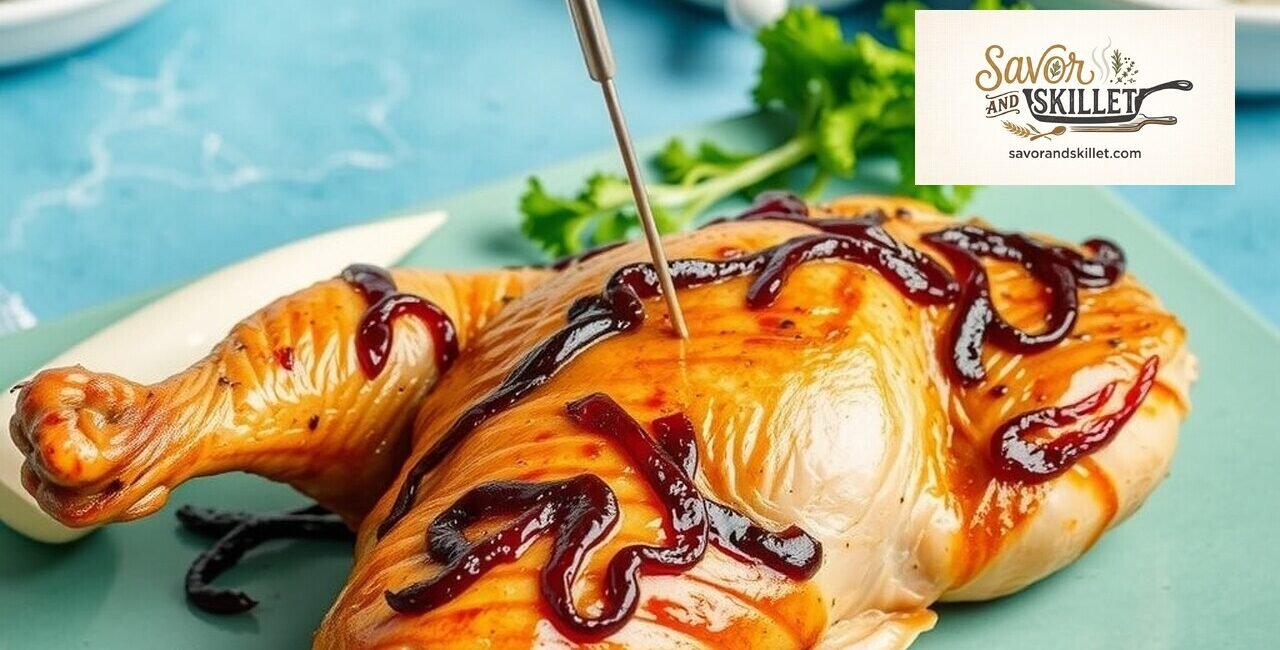
Have you ever stood in front of a sizzling skillet, thermometer in hand, wondering if your protein is truly safe to serve? Understanding the safe internal temperatures for chicken, beef, pork, and fish is the ultimate baseline for every home cook in 2026. Whether you are searing a delicate fillet or roasting a whole bird, knowing exactly when to pull your food from the heat prevents foodborne illness while ensuring your dinner stays succulent rather than dry. If you are looking for a reliable reference, our guide on safe internal temperatures for chicken, beef, pork, and fish serves as your essential kitchen companion. Let’s break this down step by step so you can cook with total confidence.
Also Read: Overnight Oats: Basic Formula, Flavor Ideas, and Storage Tips
Defining Safe Internal Temperatures for Chicken, Beef, Pork, and Fish

Safe internal temperatures for chicken, beef, pork, and fish is the specific heat threshold that must be reached throughout the thickest part of the meat to effectively neutralize harmful pathogens like Salmonella and E. coli. According to 2026 food safety guidelines from the USDA Food Safety and Inspection Service, maintaining these precise temperatures is the most reliable way to ensure your kitchen remains a safe environment for you and your family.
The Science of Thermal Death

Cooking is essentially a form of pasteurization. When we talk about safety, we are looking for the exact moment when the internal heat destroys bacteria. For example, while many people mistakenly believe chicken must be “white through and through,” the actual goal is reaching an internal temperature of 165°F (74°C). In my view, this is the step most home cooks overlook because they rely on visual cues like color rather than verified data, which can lead to overcooking lean poultry.
Precision Tools for Accurate Measurements
To hit these numbers, you cannot rely on guesswork. Using a high-quality digital instant-read thermometer—brands like ThermoWorks or Lavatools are industry favorites—is non-negotiable. I have found that most people struggle with thermometer placement; always insert the probe into the thickest part of the meat, avoiding bone, fat, or gristle, as these areas will provide false readings. When you master these safe internal temperatures for chicken, beef, pork, and fish, you gain the freedom to stop hovering over the stove and start focusing on the art of seasoning and presentation.
Navigating Poultry and Red Meat Standards
Now that we have covered the general science of thermal death for safe internal temperatures for chicken, beef, pork, and fish, let’s dive into the nuances of poultry and red meat standards. These two protein categories have the most distinct requirements, and understanding the “why” behind the numbers makes them much easier to remember.
The Poultry Threshold: Why 165°F Matters
Chicken and turkey require higher temperatures because of their surface area and potential for harboring bacteria across their structure. The 165°F rule is a catch-all that ensures safety throughout the muscle fibers. If you are prepping chicken, the Savor and Skillet team always recommends measuring the innermost part of the thigh and the thickest part of the breast. It is worth noting that dark meat is often more forgiving; it can actually reach 175°F to 180°F without losing its texture, which is a secret many professional chefs use to ensure the connective tissues break down properly.
Red Meat Flexibility: From Rare to Well-Done
Beef, pork, and lamb are unique because they are often served at a variety of temperatures based on preference. While the FDA recommends 145°F (63°C) for whole cuts of beef and pork, followed by a three-minute rest period, many culinary traditions prefer a medium-rare finish. Here is something most beginner guides won’t tell you: the carry-over cooking process—where the meat continues to rise in temperature after leaving the heat—is vital. If you pull a steak off at exactly 145°F, it may climb to 150°F on the plate, potentially drying out a premium cut. Resting your meat is not just a suggestion; it is a fundamental pillar of kitchen safety and quality.
Mastering Safe Internal Temperatures for Chicken, Beef, Pork, and Fish Tips
With red meat and poultry standards under your belt, mastering safe internal temperatures for chicken, beef, pork, and fish tips becomes much easier to grasp. Let’s dig in to how fish and seafood deviate from the terrestrial standards we just discussed.
The Delicate Nature of Seafood
Unlike chicken, which is quite robust, fish is incredibly sensitive to overcooking. The standard for most finfish is 145°F (63°C), or until the flesh becomes opaque and separates easily with a fork. However, because fish has less connective tissue, it can go from perfect to rubbery in a matter of seconds. I often recommend that beginners use the “flake test” in conjunction with a thermometer to ensure they aren’t losing the natural moisture that makes a good seafood dish truly stand out.
Advanced Considerations for Ground Meats
There is a major distinction between whole cuts and ground meats that every cook must respect. While a steak can be eaten medium-rare because bacteria are primarily on the surface, ground beef, pork, or poultry blends must be cooked to a uniform 160°F (71°C). When meat is ground, the surface bacteria are distributed throughout the entire mixture, meaning there is no “rare center” that is inherently safe. If you are making burgers or meatballs, keep this safety rule at the forefront of your process.
Common Challenges and Troubleshooting
After covering the specific requirements for different proteins, the obvious next question is: what about the troubleshooting and common mistakes when trying to hit these goals? Here is everything you need to know about navigating the trickiest parts of the cooking process.
Why Your Thermometer Might Be Lying
Even the best tools can fail if not handled correctly. A common issue is “sensor lag” or failing to calibrate your thermometer. In 2026, most digital thermometers are incredibly accurate, but if you drop your device or use it for high-heat tasks like candy making, you should occasionally test it in an ice-water bath to ensure it reads 32°F (0°C). If it is off by even a few degrees, your interpretation of safe internal temperatures for chicken, beef, pork, and fish could be compromised.
Handling Large Roasts and Dense Cuts
Cooking large roasts presents a unique challenge: the outside often finishes long before the center reaches safety. This is where low-and-slow cooking methods, such as those discussed in our previous kitchen basics guides, become invaluable. By setting your oven to a lower temperature, you allow the heat to penetrate the center of a large pork loin or beef brisket evenly. This prevents the “bullseye” effect where the exterior is burnt while the core remains raw, ensuring that you reach that target temperature safely without sacrificing flavor.
If you want to cook chicken, fish, beef, pork, and other meats properly, using the exact right cooking temperature is essential.
To help you achieve this, we’ve included a video by “GrillGirl” Robyn Lindars titled Proper Internal Cooking Temperatures for Chicken, Fish and Beef | Grill Girl Robyn Lindars. Watching a tutorial video is a great way to ensure you cook your meat correctly, right? So, go ahead and watch the video below:
Frequently Asked Questions About safe internal temperatures for chicken, beef, pork, and fish
Does the meat continue to cook after I take it off the heat?
Yes, this is known as carry-over cooking, and it is crucial for reaching your target temperature safely. For most roasts and large cuts, expect the internal temperature to rise by 5°F to 10°F after removing it from the oven or grill.
Why do some chefs serve beef at temperatures lower than the official recommendations?
Professional chefs often rely on high-quality sourcing and specific searing techniques to minimize surface bacteria. While the FDA advises 145°F for whole cuts, many people prefer medium-rare beef at 130°F to 135°F, which is a personal choice that requires awareness of the associated risks.
How do I know if my fish is done without a thermometer?
If you don’t have a thermometer, the most reliable method is the flake test. When the flesh appears opaque throughout and separates easily along the natural lines of the muscle with a fork, it is typically finished.
Is it safe to wash chicken before cooking?
No, you should never wash chicken under running water. This practice spreads bacteria via aerosolized water droplets to your sink, countertops, and nearby utensils, significantly increasing the risk of cross-contamination in your kitchen.
What is the most accurate way to check the temperature of thin cuts like chicken breasts?
For thinner cuts, insert the probe horizontally from the side of the meat into the thickest part of the center. This ensures the tip of the thermometer is fully embedded in the protein rather than passing through to the hot pan below, which would provide an inaccurate reading.
Conclusion
After navigating the technical requirements of the FAQ section, it is clear that consistency is the most important ingredient in any kitchen. To recap, always use a calibrated thermometer, respect the difference between whole cuts and ground meats, remember the impact of carry-over cooking, and prioritize the 165°F standard for poultry to keep your meals safe. Balancing these technical details is what separates a good cook from a great one. I hope this guide from Savor and Skillet helps you approach your next meal with total confidence and ease. If you found these tips helpful, leave a comment below or share this with a friend who is just starting their culinary journey. For more deep dives into kitchen technique, check out our other resources on the site. See you in the next article! — Mirdania, Savor and Skillet


The Safest Way to Thaw Frozen Meat
Baking Soda vs Baking Powder: When to Use Each

No Comment! Be the first one.