


When we discuss the history of modern gastronomy, few names command as much awe and respect as the original culinary rockstar. At Savor and Skillet, we profile remarkable figures, and this comprehensive Marco Pierre White chef profile details the dramatic rise, legendary kitchen intensity, and lasting legacy of Britain’s first culinary icon. If you have ever wondered how a working-class boy from Leeds redefined fine dining forever, you are about to find out.
| Information | Details |
|---|---|
| Full name | Marco Pierre White |
| Birth date | December 11, 1961 |
| Birth place | Leeds, England |
| Nationality | British |
| Profession | Chef, restaurateur, television personality |
| Instagram @marcopierrewhite | |
| Data updated | 2026 |
Who Is the Subject of This Marco Pierre White Chef Profile?
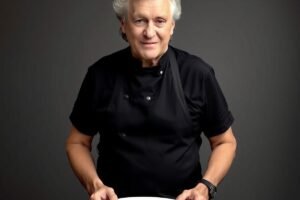
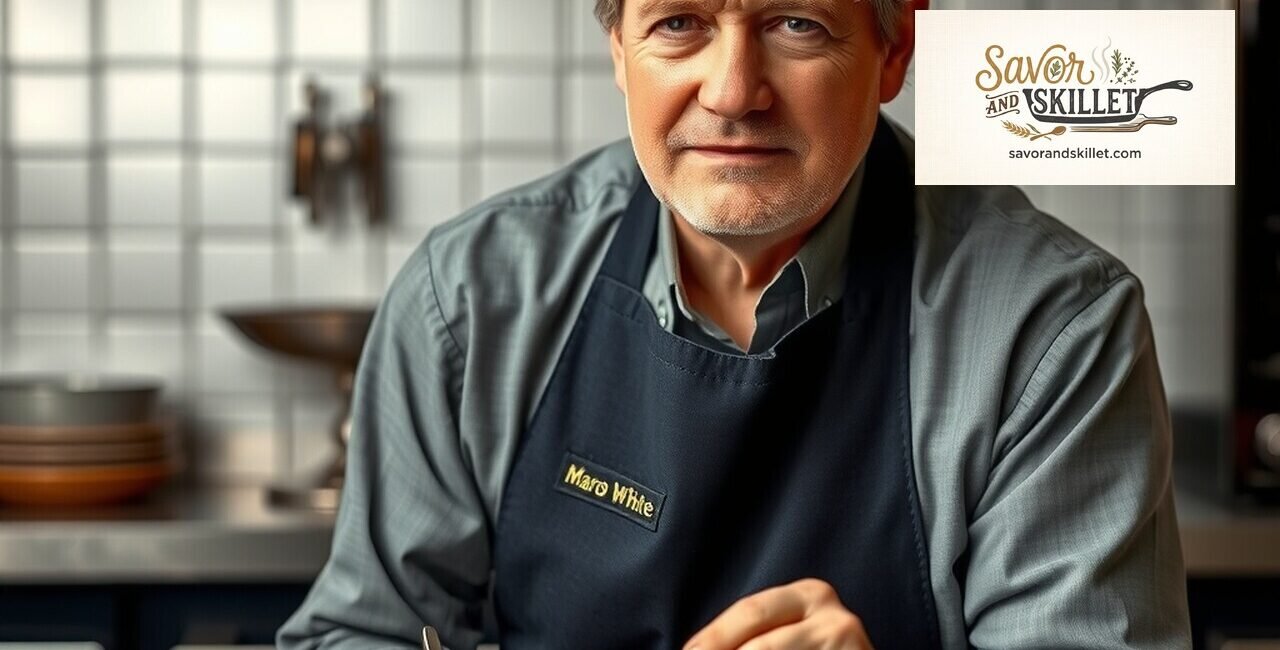
Marco Pierre White chef profile is a comprehensive study of the legendary British chef, restaurateur, and television personality who became the youngest chef and the first British culinary professional to be awarded three Michelin stars. Renowned for his fierce intensity, classical French technique, and pioneering mentorship, he revolutionized the global fine dining scene during the late 20th century.
In my experience as Mirdania, writing about culinary history always leads back to his landmark years at Harveys and the Hyde Park Hotel. Born in Leeds, England, in 1961, he combined an unmatched work ethic with a volatile artistic temperament. He did not just cook food; he elevated classical French cuisine into an art form, creating an archetype of the celebrity chef that still dominates our television screens in 2026.
Early Life and Classical French Foundations
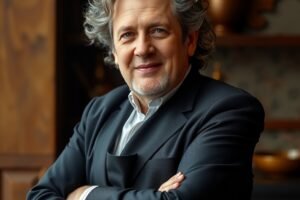
Now that we have established who is featured in this Marco Pierre White chef profile, let’s explore the background that shaped his intense drive. Born on December 11, 1961, in Leeds, England, his early years were marked by both cultural diversity and profound personal tragedy. His Italian mother passed away when he was only six years old, leaving him to be raised by his British father on a working-class council estate. This early loss deeply impacted his worldview, instilling a relentless, almost survivalist work ethic.
Leaving school with no formal qualifications, he decided to follow in his father’s footsteps and enter the kitchen. His formal training began at the Hotel St George in Harrogate, but his culinary trajectory truly transformed when he arrived in London with little more than a box of knives and a few pounds to his name. He secured a position under the legendary Albert and Michel Roux at the iconic Le Gavroche, where he was introduced to the rigorous, uncompromising world of classical French cuisine.
During this foundational period, he also trained under other legendary figures of British gastronomy, including Pierre Koffmann at La Tante Claire and Raymond Blanc at Le Manoir aux Quat’Saisons. This intense exposure to elite standards solidified his culinary philosophy: respect for ingredients, mastery of classic techniques, and absolute perfection in execution.
Culinary Career, Michelin Stars, and Mentorship
Building on that foundation of early adversity and classical French training in London, his professional career erupted into what can only be described as a culinary revolution. In 1987, he opened his first major venture, Harveys, in Wandsworth Common. Almost immediately, the restaurant became the epicenter of the British dining world, earning its first Michelin star within its first year and a second star shortly thereafter in 1988.
It was at Harveys where his reputation for extreme kitchen discipline—and occasional volatility—was forged. He famously threw customers out of his restaurant if they insulted the food, and once cut open the back of a young chef’s jacket because the chef complained about the kitchen heat. Yet, this intense environment produced some of the greatest culinary talents of our time. He mentored a stellar generation of modern kitchen icons, including Gordon Ramsay, Heston Blumenthal, and Phil Howard, shaping the future of global gastronomy.
The pinnacle of his career arrived in 1994, when at his eponymous restaurant at the Hyde Park Hotel, he was awarded his third Michelin star at the age of 33. This achievement cemented his status as the youngest chef ever to receive the honor at that time. However, in a move that shocked the global culinary community, he announced his retirement from active kitchen service in 1999 and returned his hard-won Michelin stars, stating that maintaining them had become a prison that detracted from his personal freedom. If you want to dive deeper into classical techniques, check out our other Savor and Skillet culinary guides to help you master the basics at home.
Marco Pierre White Net Worth and Business Ventures
We just unpacked his historic culinary career and unparalleled achievements—now here is where it gets really interesting: how does this translate to his financial success and active business ventures? While his days of standing over a hot stove are long behind him, his commercial empire has continued to expand globally. In 2026, industry estimates place the Marco Pierre White net worth at approximately £40 million (around $50 million USD), though it is important to note that his private assets are not publicly audited.
Rather than relying solely on restaurant service, his wealth is sustained through diverse, high-yielding business channels:
- Restaurant Partnerships: He operates numerous successful restaurant brands, including the Marco Pierre White Steakhouse Bar & Grill and Marco’s New York Italian, through partnerships with hospitality groups like Black and White Hospitality.
- Television and Media: High-profile appearances on hit television shows, including ITV’s Hell’s Kitchen and MasterChef Australia, have introduced him to younger generations of food lovers while securing highly lucrative production contracts.
- Book Deals & Endorsements: His ground-breaking memoir and cookbook, White Heat, remains one of the best-selling culinary books of all time, generating ongoing royalties alongside global brand partnerships.
At Savor and Skillet, we recognize that his financial blueprint serves as an excellent case study for modern chefs. He proved that a culinary professional can successfully transition from the kitchen pass to the boardroom without losing their foundational authority.
Legacy, Influence, and Signature Dishes
With his commercial success and net worth context under your belt, his lasting legacy and the signature dishes that defined his era become much easier to grasp. Long before social media turned cooking into a visual spectacle, his culinary style was defined by intense flavor profiles, aesthetic simplicity, and dramatic presentation. He proved that fine dining did not have to be stuffy, introducing a raw, rock-and-roll attitude to the white-tablecloth establishment.
His culinary identity is forever tied to a select few dishes that redefined British fine dining:
- Tagliatelle of Oysters with Caviar: A legendary dish from his Harveys era that combined the clean, briny flavors of fresh seafood with rich, classical French sauces.
- Pyramide of Chocolate: A technical masterpiece of pastry work that showcased his uncompromising precision and eye for dramatic visual plating.
- Pigeon with Cabbage and Truffles: A rustic yet deeply refined dish that highlighted his mastery of wild game and classical reduction sauces.
If you want to keep up with his current updates and culinary philosophies, you can follow his journey via his official Instagram profile. His enduring influence is felt in every kitchen that prioritizes discipline, respect for ingredients, and classical execution over fleeting culinary trends.
Frequently Asked Questions About Marco Pierre White chef profile
After covering his monumental legacy and classic dishes, the obvious next question is: what are the most common inquiries readers have about his life? Here are the direct answers to the most frequently searched questions about this legendary figure.
What makes the Marco Pierre White chef profile so legendary in culinary history?
The significance lies in him being the youngest chef and first Briton to win three Michelin stars, which broke the French monopoly on high cuisine. His raw, unfiltered memoir White Heat also redefined the chef image from a hidden servant to a glamorous, rebellious artist.
Is Marco Pierre White still cooking in 2026?
No, Marco Pierre White retired from active, professional kitchen service in 1999. While he still cooks privately and acts as an executive consultant for his global restaurant brands, he does not work behind the pass of a commercial kitchen.
Why did Marco Pierre White return his Michelin stars?
He returned his Michelin stars because he felt the system had lost its integrity and that maintaining them took an immense toll on his personal life. He famously noted that he was being judged by inspectors who had less culinary knowledge than he did.
Which famous chefs did Marco Pierre White mentor?
He mentored several of the world’s most famous chefs, including Gordon Ramsay, Heston Blumenthal, Phil Howard, and Shannon Bennett. His intense, demanding training style shaped the modern culinary landscape across the globe.
In Conclusion
In wrapping up this profile, it is clear that his contribution to the culinary world extends far beyond his restaurants. Here at Savor and Skillet, we believe that understanding the pioneers of classical cuisine is essential for anyone looking to master their own kitchen. If you are feeling inspired to level up your culinary skills, try making a classic reduction sauce tonight—it is the perfect way to pay homage to the master of French-British dining. Don’t forget to explore our other culinary guides and chef profiles to keep your passion for cooking burning bright!

Other Articles

Nigella Lawson Net Worth, Bio, Career & Signature Dishes (2026)
Heston Blumenthal Net Worth, Bio, Career & Signature Dishes (2026)

No Comment! Be the first one.