


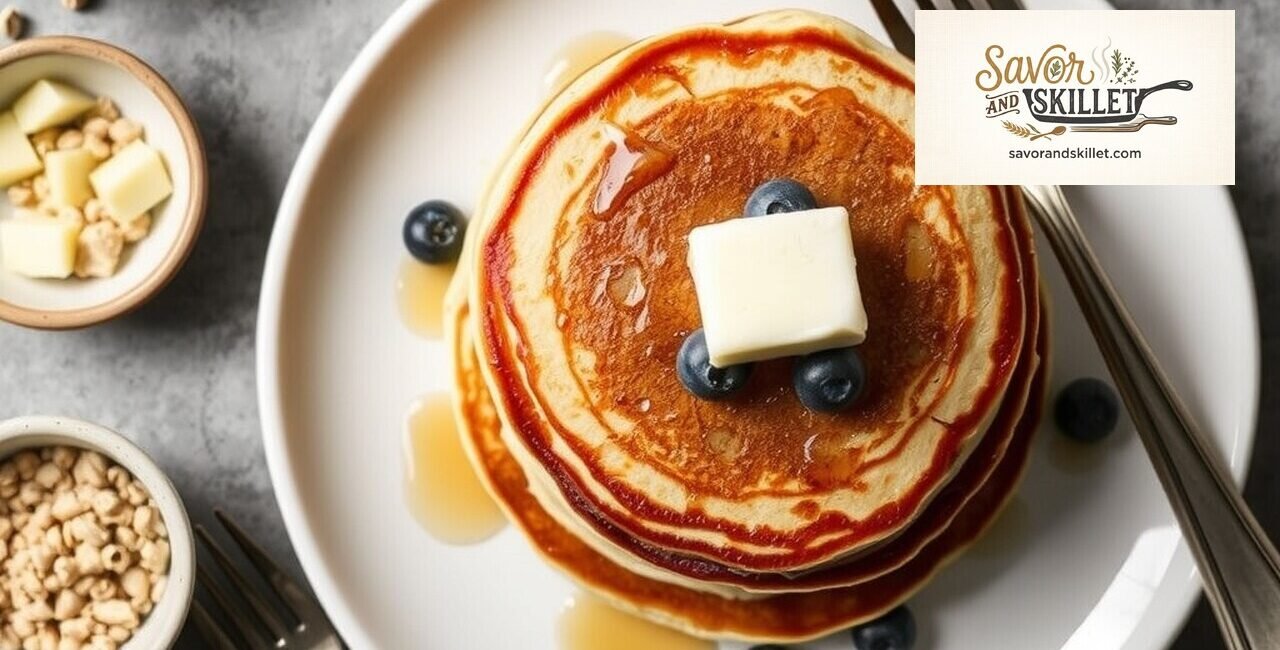
There is nothing quite like waking up to the aroma of fluffy, golden-brown cakes griddling on a Sunday morning, but the actual process can feel daunting when you are short on time. That is where mastering american pancakes with make ahead batter tips comes into play, allowing you to enjoy a breakfast-table staple without the morning rush. By preparing your dry and wet components in advance, you ensure a stress-free start to your day while maintaining that signature airy texture we all crave. You can find our full collection of morning-time inspiration at american pancakes with make ahead batter tips, which serves as a great resource for home cooks looking to streamline their kitchen workflow in 2026. Whether you are prepping for a family brunch or just want a quick bite before heading to work, these strategies will change how you approach your skillet.
Also Read: 10-Minute Breakfast Ideas for Busy Mornings
Understanding the Foundation of American Pancakes
American pancakes with make ahead batter tips are leavened breakfast cakes characterized by a thick, tender crumb and a golden, slightly crisp exterior. They rely on the chemical reaction between baking powder and liquid to achieve a fluffy rise. By utilizing specific make-ahead techniques, you can stabilize the batter, ensuring that you consistently produce restaurant-quality results at home.
When we talk about the architecture of a great pancake, it really comes down to the balance between gluten development and leavening. In my experience, the biggest mistake most home cooks make is over-mixing the batter, which leads to tough, rubbery results. By understanding how the ingredients interact before the heat even hits the pan, you gain a massive advantage in texture control. This is the cornerstone of Savor and Skillet’s approach to baking; we prioritize technical understanding over guesswork to ensure that your time in the kitchen is efficient and rewarding.
Ingredients and Equipment
| Yield | 4-6 Servings (approx. 12 pancakes) |
|---|---|
| Prep Time | 10 Minutes |
| Cook Time | 15 Minutes |
| Total Time | 25 Minutes |
| Difficulty | Easy |
Core Ingredients
- 2 cups all-purpose flour
- 3 tablespoons granulated sugar
- 1 tablespoon baking powder (ensure it is fresh for maximum lift)
- 1/2 teaspoon kosher salt
- 1 ¾ cups whole milk or buttermilk (buttermilk provides a superior tang)
- 2 large eggs
- 4 tablespoons unsalted butter, melted and slightly cooled
- 1 teaspoon pure vanilla extract
Recommended Equipment
- Heavy-bottomed cast iron skillet or non-stick griddle
- Whisk and large mixing bowl
- Silicon spatula for delicate flipping
- Measuring cups and spoons
- Oil or butter for the cooking surface
Pro-Tip: If you are looking for a dairy-free variation, unsweetened almond milk mixed with a teaspoon of apple cider vinegar mimics the acidity of buttermilk perfectly. Always ensure your baking powder is active; if it hasn’t been opened in the last six months, it may be time for a refresh to guarantee that airy rise.
How to Make American Pancakes with Make Ahead Batter Tips
Now that we have gathered the necessary ingredients, let’s get into the step-by-step process of preparing the perfect batter. The secret to how to make american pancakes with make ahead batter tips successfully is timing the hydration of the flour correctly to avoid excessive gluten formation.
- Whisk the Dry Ingredients: In a large mixing bowl, combine the flour, sugar, baking powder, and salt. Use a whisk to aerate the mixture thoroughly, ensuring the leavening agent is evenly distributed.
- Prepare the Wet Mixture: In a separate smaller bowl, whisk the eggs, milk (or buttermilk), and vanilla extract together. Gradually stir in the melted butter. If the butter is too hot, it may scramble the eggs, so ensure it has cooled to a lukewarm temperature.
- The Make-Ahead Strategy: For the best results, you can combine the dry and wet components separately and store them in the refrigerator for up to 24 hours. When you are ready to cook, mix them together just before hitting the pan. This prevents the baking powder from exhausting its lifting power too early.
- The Gentle Fold: Combine the wet into the dry. Use your spatula to fold the ingredients together until just combined. You want to see streaks of flour; do not aim for a perfectly smooth batter. A lumpy batter is the secret to a fluffy pancake.
- Preheating the Surface: Set your skillet or griddle to medium heat. If you are using an infrared thermometer, you are aiming for roughly 350°F (175°C). Test with a tiny drop of water; it should dance across the surface before evaporating.
- Cooking to Perfection: Lightly grease the pan with a high-smoke-point oil. Pour 1/4 cup of batter per pancake. Wait until the surface bubbles and the edges appear set and dry—usually about 2 to 3 minutes.
- The Flip: Carefully flip the pancake. It should be a deep, uniform golden brown. Cook for another 1 to 2 minutes on the second side. Do not press down on the pancake with your spatula, or you will deflate the beautiful air pockets you just created.
Extra video content for your reference:
Refining Your Technique for Consistent Results
Since you now understand the fundamental process of mixing and griddling, let’s discuss how professional american pancakes with make ahead batter tips cooking time and temperature management can elevate your brunch game. Many home cooks struggle with the “first pancake” syndrome, where the first batch is often unevenly cooked. This usually happens because the pan has not reached thermal equilibrium or the butter in the pan has started to burn.
To avoid this, maintain a consistent medium heat. If the pancakes are darkening too quickly on the outside while remaining raw in the center, lower your heat. Conversely, if they are pale and flat, increase it slightly. According to 2026 culinary standards for home kitchen safety, always ensure that your batter remains refrigerated if you are not using it immediately; leaving raw egg-based batter at room temperature for more than two hours can invite bacterial growth, which is a risk you should never take in a home kitchen.
Troubleshooting Common Pancake Issues
With the technique for managing heat and batter under your belt, we need to address some of the most common hiccups that even experienced home chefs encounter. If your pancakes come out flat, the most likely culprit is an inactive leavening agent. Remember that baking powder is time-sensitive; if your batter has been sitting for several hours, the reaction has likely already occurred in the bowl rather than on the griddle.
If you find that your pancakes are sticking to your equipment, check your pan seasoning or the amount of fat used. Even on non-stick surfaces, a very thin film of oil or clarified butter is essential. I often recommend using a neutral oil like grapeseed or avocado oil for the initial grease, as they have a higher smoke point than butter. If you want that classic buttery flavor, reserve your butter for brushing the finished pancakes while they are still hot. For more troubleshooting insights, you can always reference our community guidelines at Savor and Skillet for additional kitchen tips.
Variations and Serving Suggestions
After mastering the basic technique, the natural next question is how to customize your stack for different occasions. This is where american pancakes with make ahead batter tips tips for flavor infusion truly shine. For a cozy autumn breakfast, try folding in a teaspoon of pumpkin pie spice or ground cinnamon into your dry ingredients. If you prefer something fresh, adding a handful of blueberries or diced strawberries directly to the batter once it hits the pan ensures they don’t bleed into the mixture while sitting.
When it comes to serving, presentation is everything. A warm stack of pancakes is a canvas for your favorite toppings. While pure maple syrup is the gold standard, consider topping your pancakes with a dollop of Greek yogurt for a protein boost, or perhaps a warm fruit compote made from seasonal berries. The key is to keep the pancakes warm in a 200°F (95°C) oven while you finish the remaining batches so the whole family can sit down to eat together.
Frequently Asked Questions About American Pancakes with Make Ahead Batter Tips
Can I really keep pancake batter in the fridge overnight?
Yes, you can keep the batter in the refrigerator for up to 24 hours, but for the fluffiest results, keep the dry and wet components separate until you are ready to cook. If you must pre-mix the entire batter, be aware that the baking powder will lose some of its potency, so you may get slightly denser pancakes.
What is the best way to reheat pancakes without making them rubbery?
The best method for reheating is using a toaster oven or a dry skillet on low heat. Avoid the microwave if possible, as it tends to steam the pancakes, turning their crisp exterior into a soggy, chewy mess.
Why do my pancakes taste metallic?
A metallic aftertaste is usually a sign of using too much baking powder. Ensure you are using a precise measuring spoon rather than guessing, as over-leavening can significantly alter the flavor profile of your pancakes.
Can I freeze these pancakes for later use?
Absolutely, pancakes freeze exceptionally well. Once they are completely cooled, place them in an airtight freezer-safe bag with parchment paper between each pancake to prevent sticking; they will keep for up to three months.
How do I know when the pancake is ready to flip?
Look for bubbles that appear on the surface and remain open rather than immediately popping and closing. The edges should look matte and slightly dry, indicating that the structure has set enough to support a flip.
Conclusion
We just unpacked the essential techniques for mastering american pancakes with make ahead batter tips—now here is where you take these skills and make them your own. By understanding the importance of proper leavening, the chemistry of temperature control, and the convenience of advanced preparation, you have everything you need to become the ultimate home breakfast chef. As we navigate the culinary landscape of 2026, remember that consistency comes from practice and following these core principles.
Next time you find yourself craving a slow, delicious morning, don’t let the prep time deter you. Utilize these methods, keep your ingredients organized, and enjoy the process of creating something truly special from scratch. If you enjoyed this guide, please share your results or tag us when you try these recipes at home. We at Savor and Skillet are always here to help you refine your craft, so keep experimenting and happy cooking!

Other Articles

Easy Shakshuka Recipe with Step-by-Step Instructions
10-Minute Breakfast Ideas for Busy Mornings

No Comment! Be the first one.