




If you have ever found yourself craving the ultimate alpine comfort food, you have likely encountered the irresistible allure of Kasespatzle. This traditional German noodle dish, layered with gooey mountain cheese and topped with crispy fried onions, is a staple of southern German, Austrian, and Swiss cuisine. At Savor and Skillet, we believe that mastering this dish is a rite of passage for any home cook looking to bring authentic, hearty flavors into their kitchen. Whether you are preparing for a chilly evening in 2026 or simply want to elevate your pasta game, this guide will walk you through exactly how to make Kasespatzle with precision and confidence.
Also Read: How to Make Turkey Pot Pie: Recipe and Instructions
What is Kasespatzle?

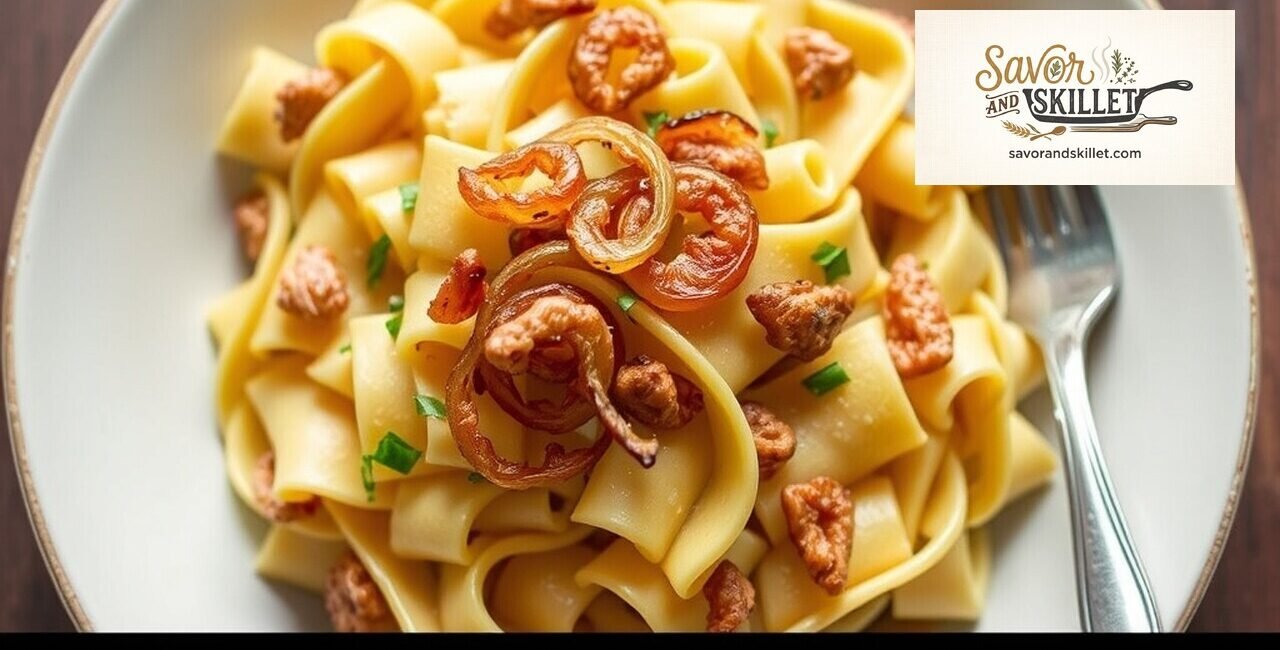
Kasespatzle is a traditional southern German egg noodle dish characterized by its distinct, chewy texture and rich, melted cheese coating. Often described as the Alpine version of macaroni and cheese, it balances the sharpness of Emmental or Gruyère with the rustic, pillowy bite of hand-scraped or pressed egg noodles, traditionally finished with golden-brown caramelized onions.
Unlike standard boiled pasta, the beauty of this dish lies in the structural integrity of the spatzle themselves. When made correctly, they possess a slight “spring” that stands up to the heavy, bubbling layers of cheese. If you have been searching for a meal that feels like a warm embrace, this is undoubtedly it. It is worth making because, beyond the incredible flavor profile, it introduces you to the rewarding technique of making fresh, rustic pasta from scratch without the need for expensive machinery.
Ingredients and Preparation

Since you now understand what makes Kasespatzle such a legendary comfort dish, let’s tackle the foundation: the ingredients. Quality is key here, especially when it comes to the cheese. According to 2026 culinary standards, using a blend of high-quality aged cheeses ensures the best melt and flavor depth.
Recipe Overview
- Servings: 4-6 servings
- Prep Time: 25 minutes
- Cook Time: 15 minutes
- Total Time: 40 minutes
- Difficulty: Intermediate
The Ingredient List
- For the Spatzle: 4 cups all-purpose flour, 5 large eggs (room temperature), 1 cup sparkling water (adds lightness to the dough), 1 teaspoon salt, and a pinch of nutmeg.
- For the Layers: 2 cups shredded Emmental cheese, 1 cup shredded Gruyère or Bergkäse (Alpine mountain cheese).
- For the Topping: 2 large yellow onions (thinly sliced), 2 tablespoons unsalted butter, and fresh chives for garnish.
Substitution Note: If you cannot find authentic Alpine cheese, a high-quality Fontina or a sharp white cheddar can work, though the flavor profile will shift slightly toward an Americanized palate. Always use sparkling water—the carbonation introduces tiny air bubbles into the batter, which makes the noodles significantly lighter once cooked.
How to Make Kasespatzle
With those ingredients ready to go, the actual cooking process requires a bit of rhythm. Think of this like a dance; once you start, the heat and timing need to stay consistent to prevent the noodles from clumping or the cheese from separating.
- Prepare the Batter: In a large mixing bowl, combine the flour, salt, and nutmeg. Add the eggs and sparkling water. Using a wooden spoon, beat the mixture vigorously for 3-5 minutes. You are looking for a thick, elastic dough that bubbles slightly when you lift the spoon. Let it rest for 15 minutes.
- Boil the Noodles: Bring a large pot of salted water to a gentle boil. Working in batches, pass the batter through a spatzle maker or a colander with large holes directly over the simmering water. If you don’t have a specific tool, a sturdy box grater or a perforated hotel pan works well.
- The Doneness Cue: As soon as the spatzle float to the surface (usually within 2-3 minutes), they are cooked. Use a slotted spoon to scoop them out and transfer them to a colander. Briefly rinse with warm water to remove excess starch.
- Caramelize the Onions: In a cast-iron skillet, melt the butter over medium-low heat. Add the sliced onions and a pinch of salt. Sauté, stirring occasionally, until they turn a deep, golden mahogany color. This usually takes about 10-12 minutes. Remove them from the pan and set aside.
- Layer and Melt: Preheat your oven to 375°F (190°C). In an oven-safe dish, place a layer of hot, freshly cooked spatzle. Sprinkle generously with your cheese blend. Repeat until all ingredients are used, ending with a heavy layer of cheese on top.
- The Final Bake: Place the dish in the oven for 8-10 minutes, or until the cheese is bubbling and has developed a slight golden crust. If you prefer a crispier top, turn on the broiler for the last 60 seconds—but watch it closely, as cheese burns faster than you think!
Once you pull the dish from the oven, top it with the reserved caramelized onions and a handful of freshly chopped chives. Serve immediately while the cheese is still molten and stringy.
Chewy yet tender homemade egg noodles, coated in a generous amount of savory, melted Alpine cheese and sprinkled with aromatic, crispy fried onions—Käsespätzle is a classic German comfort food guaranteed to delight your taste buds while providing a hearty energy boost and perfect warmth. I’m sharing this rich, European-style “mac and cheese” recipe here on Savor and Skillet so you can enjoy that satisfying, stretchy, savory cheese experience right in your own kitchen.
To get the perfect chew on the spätzle, ensure the cheese melts into a creamy consistency without the oil separating, and achieve perfectly crisp fried onions, check out the secrets to making it in the video tutorial I’ve embedded below:
Chef Technique Tips for Success
After covering the step-by-step process of assembly, the obvious next question is: how do you ensure the texture stays perfect every time? Kasespatzle tips often revolve around temperature management and consistency.
The most common mistake is over-boiling the noodles. Because the spatzle will spend additional time in the oven with the cheese, you want them to be “al dente” when they come out of the water. If they are too soft during the boiling phase, they will turn into mush once you layer them with cheese. Also, ensure your skillet for the onions is well-seasoned. If you are using a Lodge cast iron pan, the heat retention will help you achieve that perfect deep-brown caramelization without burning the butter. Finally, remember to keep your batter at room temperature; cold eggs can make the dough too stiff, resulting in dense, heavy noodles instead of the light, airy bites you want.
Serving, Storage, and Reheating
With those technical tips under your belt, managing your leftovers becomes much easier to grasp. Kasespatzle is best served hot, but it handles storage surprisingly well if you are prepared.
To store, allow the dish to cool completely before covering it tightly with plastic wrap or transferring it to an airtight container. It will keep in the refrigerator for up to 3 days. When you are ready to reheat, skip the microwave—it often makes the cheese rubbery. Instead, add a splash of heavy cream or vegetable broth to a pan, add the leftovers, and heat gently over medium-low heat. This restores the creamy texture of the sauce without drying out the noodles. If you want that fresh-baked crunch, put the leftovers in an oven-safe dish, top with an extra sprinkle of cheese, and bake at 350°F (175°C) until warmed through.
Frequently Asked Questions About Kasespatzle
What is the best cheese for authentic Kasespatzle?
Authentic Kasespatzle is typically made with a blend of Emmental and Bergkäse. Emmental provides the characteristic stretch and mild nuttiness, while Bergkäse, an aged Alpine mountain cheese, adds the necessary punch and savory depth required for a balanced bite.
Can I make Kasespatzle without a special press or maker?
Yes, you can absolutely make it using common kitchen items. A sturdy box grater, a colander with large holes, or even a simple plastic cutting board and a knife (for traditional scraping) work perfectly well if you do not want to purchase a dedicated spatzle press.
Why did my Kasespatzle turn out gummy or mushy?
The most common cause of a gummy texture is either over-boiling the noodles or using a dough that was too thin. Ensure your batter has a thick, gloopy consistency—it should hold its shape for a second on the spoon before falling off. Also, make sure to drain the noodles well after boiling so they do not add excess moisture to the cheese layer.
How do I stop the cheese from becoming oily?
Oily cheese usually indicates that the heat was too high or the cheese was “sweated” for too long. Stick to the 375°F (190°C) oven temperature and avoid using pre-shredded cheese; the anti-caking agents in pre-bagged cheese prevent proper melting and can cause the fats to separate, leading to a greasy final product.
Is Kasespatzle a main course or a side dish?
While historically served as a side in many regions, Kasespatzle is substantial enough to be a hearty main course. In Germany and Austria, it is frequently served as a complete meal alongside a fresh green salad with a sharp vinaigrette, which helps cut through the richness of the cheese and fried onions.
Conclusion
We just unpacked the essential techniques for creating professional-grade Kasespatzle — now here is the final thought to keep in mind: consistency is your best friend. From the initial whisking of the batter to the final, bubbling bake in the oven, this dish rewards patience and attention to detail. By using the right cheese, respecting the doneness cues of the noodles, and avoiding the trap of pre-shredded products, you can bring a true taste of the Alps to your table.
At Savor and Skillet, we thrive on these kinds of rustic, time-honored recipes that emphasize quality ingredients over complexity. As we move further into 2026, take this recipe and make it your own by experimenting with different types of sharp cheeses or even adding fresh herbs to the batter. Ready to get started? Gather your ingredients and try this recipe tonight—your kitchen is about to smell incredible.


Flammkuchen Recipe: How to Make It Step by Step
Baklava Recipe: How to Make It

No Comment! Be the first one.