





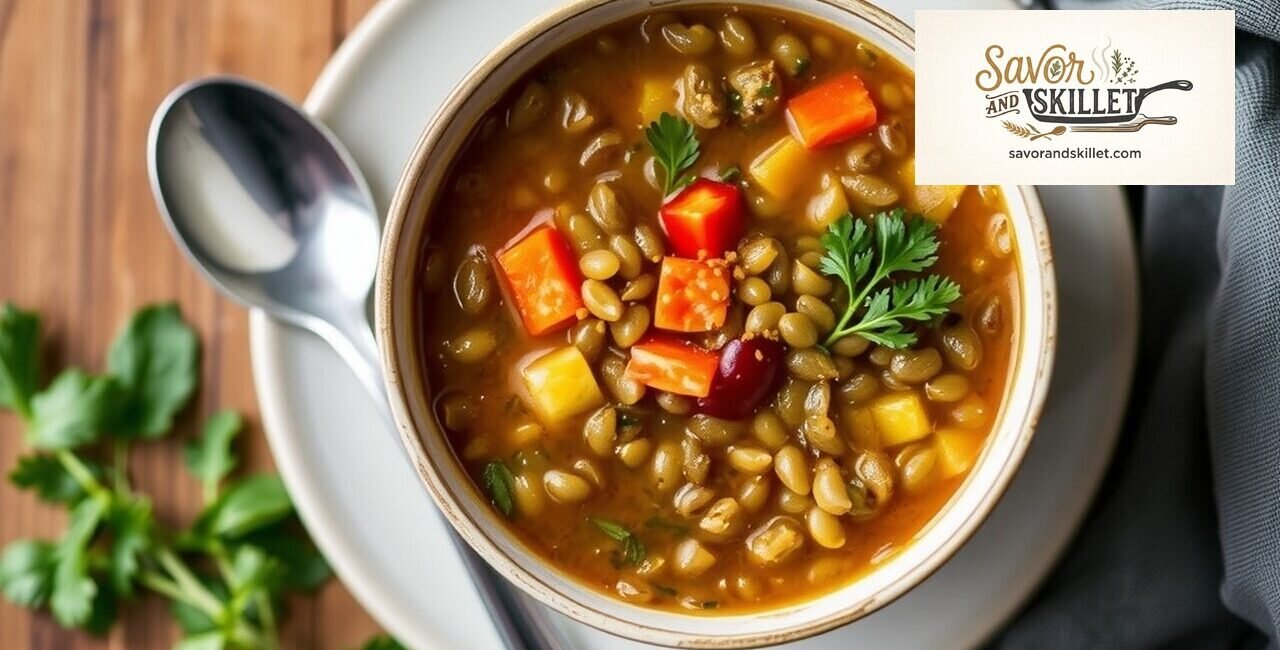
There is something inherently comforting about a steaming bowl of German Lentil Soup, a dish that has remained a staple in European kitchens for generations. Whether you are looking for a hearty weeknight dinner or a meal-prep solution that tastes even better on day two, this classic soup offers a deep, savory complexity that defines rustic home cooking. At Savor and Skillet, we believe that mastering the fundamentals of this dish is the best way to elevate your pantry staples into something truly special. As we look ahead to 2026, the resurgence of traditional, nutrient-dense recipes makes this the perfect time to perfect your technique. Let’s walk through the steps to create a bowl that is as authentic as it is satisfying.
Also Read: Philly Cheesesteak Recipe: How to Make It
Understanding the Essence of German Lentil Soup

German Lentil Soup is a traditional, rustic legume-based stew characterized by its earthy flavor profile, which often features a balanced acidity from vinegar or wine, and a hearty, thick texture. It typically utilizes brown or green lentils, root vegetables like carrots and celery, and savory aromatics, making it a nutritious and deeply comforting meal perfect for cooler weather.
What makes this soup stand out compared to other lentil preparations is its reliance on acidity to cut through the starchiness of the legumes. In my experience, skipping the final splash of vinegar or the addition of a smoked element—like bacon or a vegan smoked paprika alternative—is the most common mistake home cooks make. By balancing the natural earthiness of the lentils with these sharp, smoky, or salty components, you create a depth of flavor that feels like it has been simmering all day long. It is a humble dish, yet it provides a culinary foundation that every home cook should feel confident navigating.
Essential Ingredients and Preparation Overview

Recipe at a Glance
- Servings: 6-8 portions
- Prep Time: 15 minutes
- Cook Time: 45-50 minutes
- Total Time: 1 hour 5 minutes
- Difficulty: Beginner-Friendly
Now that we have established what makes a truly authentic bowl of German Lentil Soup, let’s gather the components necessary for success. This recipe focuses on common pantry items that yield professional results.
Ingredients List:
- 1 lb (450g) dried brown or green lentils (rinsed and picked over)
- 2 tablespoons neutral oil or lard
- 1 large yellow onion, finely diced
- 3 carrots, peeled and sliced into rounds
- 2 stalks celery, diced
- 3 cloves garlic, minced
- 6 cups vegetable or beef stock
- 2-3 slices of thick-cut smoked bacon or smoked ham hock (optional for flavor base)
- 2 bay leaves
- 1 tablespoon high-quality red wine vinegar or apple cider vinegar
- Salt and freshly cracked black pepper to taste
- Fresh parsley or chives for garnish
Chef’s Notes: If you are looking to make this vegetarian, ensure your vegetable stock is high-quality, as it provides the foundation of the soup’s flavor. Using a brand like Better Than Bouillon often provides a more consistent, professional flavor profile than standard boxed stocks. Always rinse your lentils under cold running water in a fine-mesh sieve until the water runs clear to remove any debris or excess starch.
How to Make German Lentil Soup
With our ingredients prepped and ready, we can now move into the actual cooking process. This systematic approach ensures that each element is properly softened and integrated into the final dish.
- Sauté the Aromatics: In a large heavy-bottomed pot or Dutch oven, heat your oil or lard over medium heat. If using bacon, add it now and fry until the fat has rendered and the edges are crisp. Add the onion, carrots, and celery, sautéing for 6-8 minutes until the vegetables have softened and the onions are translucent.
- Toast the Garlic: Stir in your minced garlic and cook for an additional 60 seconds. You are looking for a fragrant aroma; be careful not to let the garlic brown, as burnt garlic will impart a bitter flavor to the entire pot.
- Deglaze and Combine: Add the rinsed lentils to the pot. Stir to coat them in the rendered fat and aromatics for about 2 minutes. Pour in your stock, scraping the bottom of the pot with a wooden spoon to release any browned bits (fond)—this is where the deep flavor lives.
- Simmer to Perfection: Add the bay leaves. Bring the mixture to a gentle boil, then reduce the heat to low. Cover the pot partially and let it simmer for 35-40 minutes. You want the lentils to be tender but not mushy; they should hold their shape when pressed with a fork.
- Final Seasoning: Remove the bay leaves. This is the crucial moment for flavor balancing: stir in the red wine vinegar. Taste the soup. If it tastes “flat,” add a pinch more salt. The goal is a balanced profile where the vinegar highlights the savoriness rather than overpowering it.
- Plating: Serve hot in bowls, garnished with a generous handful of fresh parsley. For those who enjoy a heartier texture, you can use an immersion blender to pulse about one-quarter of the soup, creating a creamy base while keeping the rest chunky.
Featuring tender lentils slow-cooked in a savory broth with chunks of root vegetables and slices of aromatic smoked sausage, German Lentil Soup is a classic comfort food that delights the palate while providing a warm, soothing energy boost. I am sharing this delicious, homestyle recipe here on Savor and Skillet so you can create a hearty, savory, and satisfying meal right in your own kitchen.
To ensure the lentils are perfectly tender without turning to mush and the broth is rich and thick with just the right balance of savory and tangy notes, check out the secrets to making it in the video tutorial I’ve included below:
Refining Your Technique: Common Mistakes and Fixes
After following the steps to make German Lentil Soup, you might find yourself wondering how to troubleshoot common texture or flavor issues. One frequent frustration I encounter when speaking with home cooks is the “mushy lentil” phenomenon.
Lentils are delicate legumes. If your soup turns into a puree, it is usually because the lentils were added to boiling water or simmered at too high a temperature. Always keep the heat at a gentle, rolling simmer. Furthermore, do not add your salt too early in the process. While modern culinary science suggests this is less of an issue than once thought, adding acidic components like vinegar or tomatoes before the lentils are fully tender can sometimes toughen the skins, leading to a strange, uneven texture.
If you realize near the end that the soup is too thin, don’t panic. Simply smash a small portion of the lentils against the side of the pot with your wooden spoon. This releases starches into the broth, naturally thickening it without the need for flour-based roux or heavy starches that might mask the clean, vegetable-forward taste.
Serving, Storage, and Reheating Best Practices
Since you now understand the mechanics of achieving the perfect texture and flavor balance, let’s tackle the longevity of your soup. A well-made pot of this soup is a “gift to your future self,” as it develops significantly more depth after sitting in the refrigerator overnight.
For storage, allow the soup to cool completely before transferring it to airtight glass containers. It will keep in the refrigerator for up to 4 days. If you plan to keep it longer, this recipe freezes exceptionally well. When freezing, I recommend leaving about an inch of headspace in your container, as the liquid will expand. To reheat, move the container to the refrigerator the night before, then warm it on the stovetop over low heat. If it looks too thick after reheating, a splash of water or additional stock will bring it back to its original consistency.
Variations to Customize Your Batch
Building on the foundation of the classic preparation, you can customize this recipe to suit your kitchen’s inventory. There is a reason this dish has survived for centuries—it is incredibly forgiving and highly adaptable to regional tastes.
If you prefer a more traditional German profile, feel free to add sliced Frankfurter or Wurst sausages during the last 10 minutes of cooking. If you want to introduce a touch of sweetness, some cooks add a small diced potato or a teaspoon of brown sugar, which pairs beautifully with the acidity of the vinegar. For those looking for an extra nutritional boost, stirring in a handful of fresh baby spinach or kale at the very end of the cooking process provides a vibrant pop of color and extra vitamins, which aligns with the health-conscious culinary trends we are seeing more of in 2026.
Frequently Asked Questions About German Lentil Soup
How can I make my German Lentil Soup thicker?
The most effective way to thicken the soup naturally is to blend a small portion of the finished soup and stir it back into the pot. This creates a creamy, velvety texture without requiring thickeners like flour or cornstarch.
Do I need to soak the lentils before cooking?
Unlike some other dried beans, you do not need to soak lentils before cooking them for this recipe. Simply rinse them thoroughly in a fine-mesh sieve under cold water to remove dust and debris before adding them directly to your boiling stock.
What is the best type of lentil to use?
For a traditional German Lentil Soup, brown or green lentils are the best choices because they hold their shape well during the simmering process. Avoid split red lentils, as they disintegrate quickly and will turn your soup into a smooth puree.
Can I make this recipe in a slow cooker?
Yes, you can easily adapt this for a slow cooker by sautéing your vegetables first, then adding all ingredients to the cooker. Set it to low for 6 to 7 hours, or high for 3 to 4 hours, ensuring the lentils are tender before serving.
What sides pair well with this soup?
A slice of crusty, dark rye bread or a soft pretzel serves as the perfect accompaniment to this hearty soup. The density of the bread stands up well to the rich, savory broth and provides a satisfying crunch.
We just unpacked the nuances of selecting ingredients, refining your cooking technique, and storing your leftovers—now here is the final takeaway: German Lentil Soup is more than just a recipe; it is a masterclass in how simple, whole-food ingredients can come together to form something greater than the sum of their parts. By focusing on the balance of earthy legumes and bright acidity, you are crafting a meal that is timeless. I encourage you to try this recipe in your own kitchen this week, perhaps adding your own favorite sausage or fresh herbs, and you will immediately understand why this dish remains a global favorite in 2026. For more kitchen inspiration and culinary guides, be sure to keep exploring the resources here at Savor and Skillet.


Kartoffelpuffer Recipe: How to Make It
How to Make Rouladen: Recipe and Instructions

No Comment! Be the first one.