


Few desserts command as much respect as a perfectly layered, honey-soaked Baklava. If you have ever felt intimidated by the delicate nature of phyllo dough, you are certainly not alone. As we look at the culinary trends of 2026, the appreciation for scratch-made, multi-textured pastries has reached an all-time high. Whether you are prepping for a holiday gathering or simply satisfying a craving for something crisp, buttery, and sweet, mastering this process is a rewarding journey. Let’s break down exactly how to achieve that iconic golden crunch in your own kitchen.
Also Read: Chicken Pot Pie Recipe: How to Make It
What is Baklava?
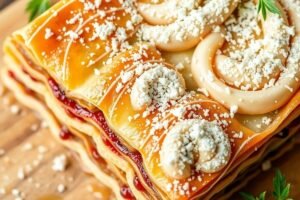
Baklava is a rich, sweet pastry made of layers of paper-thin phyllo dough filled with chopped nuts and held together with a fragrant, spiced syrup. Its flavor profile is a sophisticated balance of crunchy, buttery pastry against the floral sweetness of honey, often elevated by hints of cinnamon, cloves, or citrus zest. It is worth making at home because the freshness of the toasted nuts and the specific crunch of the pastry simply cannot be replicated by store-bought versions that have been sitting on shelves for weeks.
Ingredients and Preparation
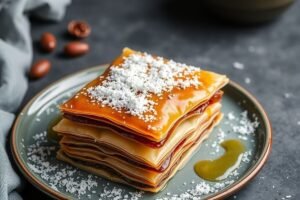
Since you now understand the essential flavor profile of this classic dessert, let’s tackle the necessary components. Success here relies on quality ingredients and, more importantly, keeping your phyllo dough from drying out while you work.
Baklava Recipe Card
- Yields: 24 pieces
- Prep Time: 40 minutes
- Cook Time: 50 minutes
- Total Time: 1 hour 30 minutes
- Difficulty: Intermediate
Ingredients:
- 1 lb (450g) phyllo dough, thawed in the refrigerator overnight
- 1.5 cups unsalted butter, melted and clarified
- 2 cups walnuts, finely chopped
- 1 cup pistachios, finely chopped
- 1 tsp ground cinnamon
- 1/4 tsp ground cloves
- For the syrup: 1 cup granulated sugar, 1/2 cup water, 1/2 cup honey, 1 tbsp lemon juice, 1 cinnamon stick.
A quick pro-tip from my perspective as an editor: always clarify your butter. By removing the milk solids, you prevent burning during the longer bake time required for the layers to crisp. If you prefer a different flavor profile, you can swap the walnuts for pecans, though the classic Mediterranean approach typically leans toward walnuts or pistachios.
How to Make Baklava
With your ingredients prepped and your butter clarified, we move into the assembly phase. This is where patience is your greatest tool, as layering is the secret to a professional-grade finish.
- Preheat and Prep: Preheat your oven to 325°F (165°C). Brush a 9×13-inch baking pan lightly with butter.
- The Foundation: Place two sheets of phyllo dough into the bottom of the pan, allowing the excess to hang over the edges. Brush lightly with melted butter. Repeat this process until you have used about one-third of the phyllo package.
- The Nut Layer: In a medium bowl, combine the chopped walnuts, pistachios, cinnamon, and cloves. Sprinkle one-half of the nut mixture evenly over the phyllo layers.
- Build the Middle: Repeat the layering process with another one-third of the phyllo sheets, buttering each sheet individually. Add the remaining nut mixture on top.
- The Final Top: Cover with the remaining phyllo sheets, buttering each one. Trim any excessive overhanging dough with a sharp knife or tuck it neatly into the sides.
- The Cut: Before baking, use a very sharp chef’s knife to cut the pastry into diamond or square shapes. Cut all the way through to the bottom of the pan. This step is critical; it allows the heat to penetrate evenly and the syrup to reach the bottom later.
- The Bake: Bake for 45 to 50 minutes, or until the top is a deep golden brown and the pastry feels firm to the touch.
- The Syrup Finish: While the baklava bakes, combine sugar, water, honey, lemon juice, and the cinnamon stick in a saucepan. Bring to a boil, then reduce heat and simmer for 10 minutes. Remove the cinnamon stick.
- The Soak: As soon as the baklava comes out of the oven, slowly pour the cooled or room-temperature syrup over the hot pastry. You should hear a satisfying sizzle. Let it stand at room temperature for at least 4 hours—or preferably overnight—to allow the syrup to absorb fully.
Layers of ultra-thin, crisp phyllo dough meet a savory filling of chopped nuts, all drenched in a sweet, floral-scented syrup—Baklava is a classic dessert masterpiece that delights the palate while delivering a rich, sweet energy boost. I’m sharing this legendary layered pastry recipe here on *Savor and Skillet* so you can enjoy that sensation of crisp, melt-in-your-mouth textures and luxurious sweetness straight from your own oven.
To ensure every layer of phyllo stays perfectly crisp—never tough—and absorbs just the right amount of syrup without becoming soggy, check out the secrets to making it in the video tutorial I’ve included below:
Mastering the Layers: Chef Techniques
After following the layering steps, the obvious next question is: why does some baklava turn out soggy while other batches stay crisp? We just unpacked the assembly process, now here’s where it gets really interesting: the relationship between the temperature of your syrup and the pastry.
In my experience, the “hot pastry, cool syrup” rule is the single most important factor for texture. If both are boiling hot, the phyllo will lose its structural integrity and become mushy. If both are cold, the pastry will be dry and the syrup won’t penetrate. Aim for the pastry to be fresh from the oven and the syrup to be at room temperature. Also, never cover the pan while the baklava is cooling; the steam needs to escape, or you will lose that signature crunch.
Common Mistakes and How to Fix Them
Since you now understand the importance of temperature control during the soaking phase, we should address the common pitfalls that even seasoned bakers encounter. It is easy to get frustrated if your sheets tear, but don’t worry—most breaks are easily hidden by the subsequent layers of butter and nuts.
If you find that your phyllo dough is drying out while you work, keep a damp (not wet) kitchen towel over the stack of sheets you aren’t currently using. If the edges of your baklava burn before the center is crisp, reduce your oven temperature to 300°F (150°C) and cover the top loosely with foil for the final 15 minutes of baking. These small adjustments ensure that the final result is as beautiful as it is delicious.
Serving, Storage, and Variations
We just discussed how to troubleshoot your baking process, so let’s talk about how to serve and preserve your masterpiece. Baklava is incredibly shelf-stable and actually improves in flavor after the first 24 hours as the spices meld with the honey.
For storage, keep your baklava in an airtight container at room temperature for up to two weeks. Avoid the refrigerator, as the cold, moist environment will cause the phyllo to soften and lose its crunch. If you want to experiment with variations, consider adding orange blossom water to your syrup for a floral aroma or using toasted almonds instead of walnuts for a milder, creamier flavor. For an elegant serving suggestion, I recommend pairing a piece with a strong, unsweetened cup of Turkish coffee or a light Earl Grey tea to cut through the richness of the honey.
Frequently Asked Questions About Baklava
How can I tell when my baklava is finished baking?
You can tell your baklava is done when the top layers have turned a deep, golden brown and the pastry sounds hollow when tapped gently. In 2026, many kitchen professionals rely on a light golden hue to ensure the butter has fully toasted the flour layers without burning the delicate edges.
Is it necessary to clarify the butter for this recipe?
Yes, clarifying the butter is highly recommended to achieve the best texture. Clarifying removes the water and milk solids, which prevents the baklava from becoming soggy and helps achieve that characteristic “shatter-crisp” bite.
Can I make baklava ahead of time for a party?
Absolutely, baklava is one of the best make-ahead desserts because it needs time to absorb the syrup. It is actually better to bake it at least one day before you plan to serve it, allowing it to rest uncovered at room temperature.
Why did my baklava turn out soggy?
Soggy baklava is usually caused by using syrup that is too hot when poured over the pastry, or by covering the pan too soon after baking. Ensure your syrup has cooled to room temperature before pouring, and always allow the steam to escape completely as it cools.
Can I substitute agave or maple syrup for honey?
You can substitute agave, but be aware that the flavor profile will shift significantly from the traditional honey-based richness. Maple syrup is generally not recommended as it carries a distinct woody flavor that can overpower the delicate spices and nut profile typically associated with classic baklava.
Final Thoughts on Your Baklava Journey
We just unpacked the entire process from selecting your ingredients to the final soak, and I hope you feel confident heading into the kitchen. Making baklava is a labor of love, but the final result—a professional-quality pastry that rivals the best bakeries—is well worth the time invested. As we navigate the food trends of 2026, returning to these time-honored techniques is a wonderful way to connect with tradition. If you enjoyed this guide, be sure to bookmark Savor and Skillet for more baking projects and techniques. Now, preheat that oven and start layering—your perfect baklava awaits!

Other Articles
How to Make Kasespatzle: Recipe and Instructions
Tiropita Recipe: How to Make It Step by Step
No Comment! Be the first one.