






If you have ever stared at a stuck-on piece of blackened crust in your favorite pan and wondered if you were about to ruin a decade of seasoning, you are not alone. Learning how to clean a cast iron skillet without damaging it is the single most important skill for any home cook looking to maintain their kitchen heirloom in 2026. Whether you are dealing with a light sear or a full-on scorched disaster, the good news is that these pans are far more resilient than popular internet myths suggest. If you are ready to master this, we can clean a cast iron skillet without damaging it together using proven, non-destructive methods. Let’s break this down step by step.
Also Read: Overnight Oats: Basic Formula, Flavor Ideas, and Storage Tips
Understanding the Basics: How to Clean a Cast Iron Skillet Without Damaging It
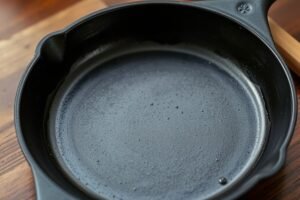
Clean a cast iron skillet without damaging it is the process of removing food debris and oils while preserving the polymerized layer of fat known as seasoning. This involves using gentle abrasion and controlled moisture to strip away residue without exposing the raw iron underneath, ensuring the skillet maintains its naturally non-stick surface over many years of regular use.
According to 2026 home maintenance data, the most common error in cast iron care is not excessive scrubbing, but rather leaving the pan damp, which leads to oxidation. Many people fear that water is the enemy, yet when handled correctly, water is merely a tool. At Savor and Skillet, we believe that understanding the chemical bond between the iron and the oil is the key to longevity. When you strip away the fear of the pan, you gain a versatile piece of equipment that can handle everything from high-heat searing to delicate baking.
The Science of Seasoning

Seasoning isn’t just a coating; it is a chemical transformation where oils and fats are heated until they reach their smoke point and bond to the metal. When you clean a cast iron skillet without damaging it, you are working around this layer. If you use harsh chemicals or wire brushes, you risk pulling up this polymerized surface, which forces you to start the seasoning process all over again. Stick to mild soap—yes, modern dish soap like Dawn is perfectly safe for a well-seasoned pan—and you will avoid damaging the underlying finish.
The Role of Heat and Moisture
Heat is your best friend when cleaning. By placing the skillet on a burner for a minute after washing, you evaporate the water molecules that would otherwise encourage rust. In my view, this is the most overlooked step in the kitchen. If you skip this drying phase, you leave your pan vulnerable, regardless of how gently you washed it. Always ensure your pan is bone-dry before storing it in a cabinet or on a rack.
Tools and Materials for Safe Maintenance
Now that we have established the importance of protecting your seasoning, let’s look at the essential tools you need to clean a cast iron skillet without damaging it effectively. Having the right kit makes the process significantly faster.
Choosing the Right Scrubbing Implements
To avoid stripping the seasoning, skip the steel wool unless you are intentionally trying to restore a neglected pan. Instead, reach for a stiff-bristled nylon brush or a chainmail scrubber. Chainmail is particularly brilliant because it is designed to dislodge stubborn, burnt-on food particles without cutting into the metal or the oil layers. If you are wondering about the best brands, tools from Lodge or specialized chainmail suppliers like The Ringer are industry staples that offer a balance between efficacy and safety.
Selecting the Proper Cleaning Agents
There is a persistent myth that soap is forbidden. In 2026, experts generally agree that the lye content in modern soaps is negligible and won’t harm a seasoned pan. If you prefer to be cautious, a coarse sea salt scrub is an excellent, natural alternative. Pour about a half-cup of kosher or sea salt into the pan and use a folded paper towel to scrub the surface. The salt acts as a mechanical exfoliant that lifts food debris without harsh chemical interference.
Step-by-Step Maintenance Routine
Since you now understand the importance of tools, here is how a proper, safe cleaning process connects—and why it matters just as much for the life of your cookware.
The Post-Cooking Rinse
Always address the skillet while it is still warm, but not piping hot. A quick rinse under warm water is usually enough to loosen most cooked-on bits. If you are dealing with a particularly messy dinner, use a plastic pan scraper to gently lift the residue. This is the moment most people hit a wall, but I assure you—if you move quickly while the pan is warm, you will rarely need aggressive scrubbing.
Restoring the Protective Layer
After you have cleaned the surface, wipe it completely dry with a lint-free cloth or a paper towel. Then, place the pan over low heat on your stovetop. Once the remaining moisture evaporates, apply a very light coat of high-smoke-point oil, such as grapeseed or refined canola oil. Buff it out with a clean paper towel until the pan appears dry again. This microscopic layer of oil is what keeps your pan ready for the next use, and it is the secret to clean a cast iron skillet without damaging it for years on end.
Advanced Techniques for Stubborn Residue
After covering the daily maintenance routine, the obvious next question is: what about the heavy-duty stains or deep-set carbon buildup? Here is everything you need to know about deeper cleaning.
The Gentle Simmer Method
When food is truly baked onto the surface, do not resort to force. Instead, fill the pan with an inch of water and bring it to a gentle simmer on the stove. The combination of heat and hydration will lift the stuck-on bits effortlessly. Once the water boils, use a wooden spatula to scrape the bottom. You will be surprised by how easily the debris floats to the surface, leaving the seasoning intact beneath.
Addressing Surface Oxidation
If you see a hint of orange discoloration, don’t panic; this is likely just surface-level oxidation, not deep rust. A light scrub with a baking soda paste—made of three parts baking soda to one part water—can neutralize the acidity and polish the iron. This technique is gentle enough for daily use and highly effective at maintaining a dark, slick finish. If you want to dive deeper into restoring older pans, check out our guide on long-term cast iron restoration.
Frequently Asked Questions About clean a cast iron skillet without damaging it
Can I use soap when I clean a cast iron skillet without damaging it?
Yes, you can absolutely use mild dish soap without fear. Modern soaps do not contain the harsh lye that historically damaged cast iron seasoning, so feel free to use it for a thorough clean.
How do I know if I have damaged my cast iron seasoning?
If you see grey or silver metal showing through the dark seasoning, you have likely stripped it. This isn’t permanent damage, but it does mean you need to perform a quick re-seasoning to protect the iron from rust.
Is soaking a cast iron skillet in water safe?
No, you should never soak a cast iron skillet in water. Prolonged exposure to moisture can cause the iron to rust, which compromises the integrity of the metal and ruins your hard-earned seasoning.
What is the best oil for maintaining my skillet?
High-smoke-point oils such as grapeseed, avocado, or refined canola oil work best. These oils create a durable, non-stick polymer layer that withstands high-heat cooking effectively.
How often should I re-season my skillet?
You generally do not need to perform a full oven seasoning unless the surface becomes sticky or rust appears. Simply maintaining a thin, buffed-out layer of oil after each wash is usually sufficient for regular, consistent performance.
Conclusion
We just unpacked the nuances of maintenance and deep cleaning—now here is where it gets really interesting: the more you use your skillet, the better it performs. By integrating these simple habits into your kitchen routine, you ensure that your cookware remains a reliable workhorse for generations. Remember that the goal of learning how to clean a cast iron skillet without damaging it is not to obsess over perfection, but to foster a relationship with a tool that improves with age. I hope this guide from Savor and Skillet helps you approach your next kitchen cleanup with confidence and ease. If you found these tips helpful, leave a comment below or share this with a fellow home cook. See you in the next article! — Mirdania, Savor and Skillet

Other Articles

Easy Family Breakfast Recipes for Weekend Mornings
How to Cook Eggs: 7 Beginner-Friendly Methods

No Comment! Be the first one.