



There is arguably no sandwich more iconic than the Philly Cheesesteak. Whether you are craving a late-night bite or a hearty weekend lunch, mastering this classic requires a focus on high-quality ingredients and specific high-heat techniques. As we move into 2026, the appreciation for regional American staples has only grown, making this the perfect time to learn how to execute this sandwich with professional precision. If you are ready to bring a taste of Philadelphia into your own kitchen, this guide will walk you through the process step-by-step.
Also Read: Buttermilk Pancakes Recipe: How to Make It
What is a Authentic Philly Cheesesteak?

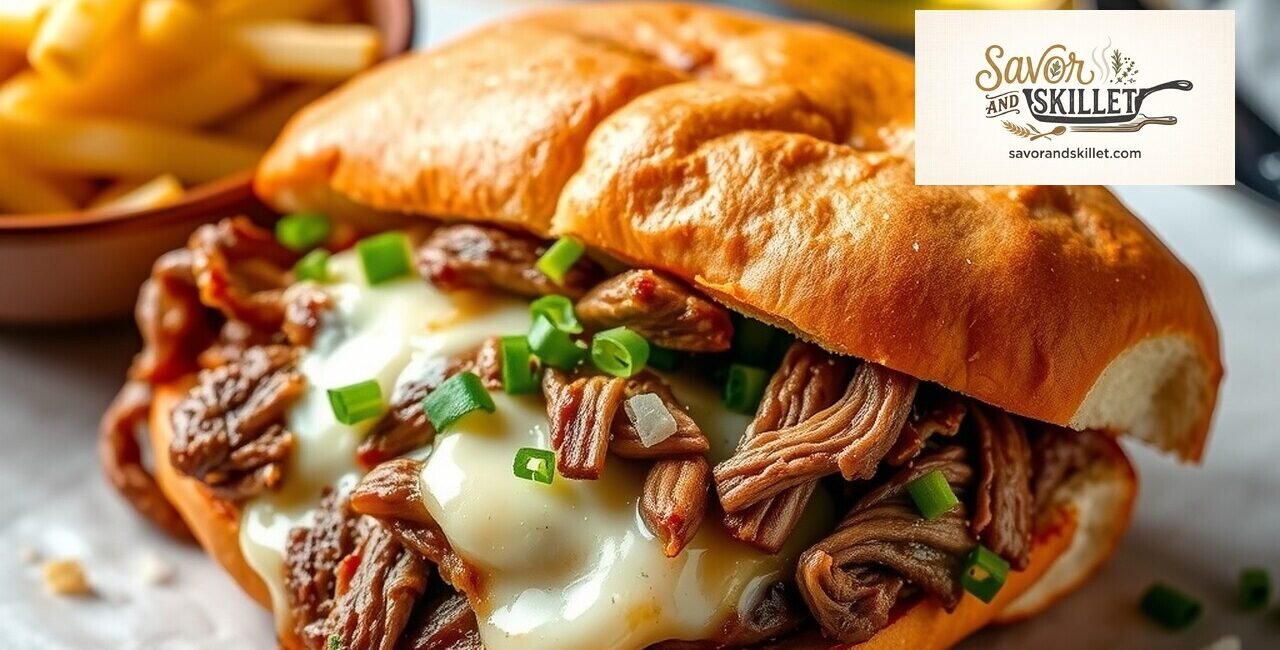
A Philly Cheesesteak is a iconic American sandwich consisting of thin-sliced, griddle-seared ribeye steak topped with melted cheese, typically Cheez Whiz, provolone, or American, served on a long, crusty Italian roll. The flavor profile is defined by the savory, caramelized crust on the beef, the umami punch of the melted cheese, and the soft-yet-sturdy texture of the roll.
Ingredients and Equipment

Now that we have defined what makes a great sandwich, let’s look at the essential components required to create the best Philly Cheesesteak in 2026. At Savor and Skillet, we emphasize using the right tools to achieve that authentic, restaurant-style sear.
Recipe Overview
- Servings: 2 sandwiches
- Prep Time: 15 minutes
- Cook Time: 10 minutes
- Total Time: 25 minutes
- Difficulty: Intermediate
Ingredients
- 1 lb Ribeye steak, frozen for 30 minutes for easier slicing
- 2 large Amoroso-style long rolls (or high-quality crusty hoagie rolls)
- 8 oz Provolone cheese (or high-quality white American cheese)
- 1 large yellow onion, thinly sliced
- 2 tbsp Neutral oil (canola or grapeseed)
- 1 tbsp Unsalted butter
- Kosher salt and freshly cracked black pepper to taste
Equipment Needed
- Large cast-iron skillet or heavy-duty griddle
- Sharp chef’s knife
- Metal spatula (preferably a heavy-duty one for chopping)
Chef’s Tip: The secret to the texture is the thinness of the beef. By placing the ribeye in the freezer for 30 minutes before slicing, you allow the blade to glide through, creating paper-thin ribbons that cook instantly.
How to Make Philly Cheesesteak
With your ingredients prepped and your tools laid out, it is time to move into the actual cooking process. Following the steps below will ensure your steak stays tender and juicy while achieving the perfect char.
- Prepare the Roll: Preheat your oven to 350°F (175°C). Lightly butter the insides of your rolls and toast them until golden brown. This creates a moisture barrier so the bread does not get soggy.
- Caramelize the Onions: Heat one tablespoon of oil in your skillet over medium-high heat. Add the sliced onions and cook, stirring occasionally, until they turn deep golden brown and soft, about 6–8 minutes. Remove them from the pan and set aside.
- Sear the Beef: Increase your skillet heat to high. Add the remaining tablespoon of oil. Once the oil begins to shimmer, add the thinly sliced ribeye in a single layer. Do not crowd the pan—if necessary, work in two batches. Let the meat sear undisturbed for 60 seconds until a deep brown crust forms.
- The Chop and Mix: Using your spatula, flip the steak ribbons and toss them vigorously. Use the edge of the spatula to “chop” the meat into smaller, bite-sized pieces. Add the cooked onions back into the pan with the meat.
- Cheese Integration: Form the meat and onion mixture into two separate piles. Drape the cheese slices over the top of each pile. If you have a metal lid, place it over the pan for 30 seconds to trap the steam and ensure the cheese melts completely.
- Plating: Slide the toasted rolls directly over the cheese-topped meat piles. Use your spatula to scoop the entire portion into the roll, flipping the roll over as you lift to capture all the drippings. Serve immediately.
With thinly sliced, juicy beef, sweet sautéed onions, and an abundance of melted, savory cheese tucked into a warm hoagie roll, the Philly Cheesesteak is a hearty meal guaranteed to satisfy your hunger and provide a major energy boost for the day. I’m sharing this signature Philadelphia recipe here on Savor and Skillet so you can recreate that savory, melty, and deeply satisfying experience right in your own kitchen.
To ensure the meat stays tender and the cheese melts perfectly into the bread, check out the full guide in the video tutorial I’ve embedded below:
Refining Your Technique
Since you now understand the mechanics of searing and chopping the meat, let’s explore some common pitfalls that home cooks often encounter. Maintaining high heat is the most critical element of this process; if your pan loses temperature, the beef will steam rather than sear, resulting in a grey, tough texture rather than the desired crispy edges.
One common mistake I see—and honestly, I made this mistake often early on—is adding salt too early. Salt draws moisture out of the meat; wait until the beef has achieved its initial sear before seasoning. This keeps the juices locked inside the muscle fibers. According to 2026 culinary guidelines on proper meat handling, always ensure your beef reaches an internal temperature of 145°F to maintain quality and safety.
Variations and Enhancements
After covering the technical side of the classic recipe, you might be wondering how to customize your experience. While purists argue that onions and cheese are the only permissible additions, the modern culinary landscape allows for personal flair.
For those who prefer a bit of heat, sautéing sliced bell peppers alongside the onions (the “peppers and onions” variation) is a standard deviation. If you want to elevate the flavor profile, try using a mixture of aged provolone and white cheddar for a deeper, nuttier taste. For more inspiration on sandwich builds, check out our guide on selecting the perfect artisan bread.
Frequently Asked Questions About Philly Cheesesteak
What is the best cut of meat for a Philly Cheesesteak?
Ribeye is widely considered the gold standard for this dish because of its high fat content and marbling. The intramuscular fat renders during the high-heat cooking process, keeping the meat tender and flavorful.
Do I really need to freeze the steak before slicing?
Yes, freezing the steak for 30 to 45 minutes makes the meat firm enough to slice into paper-thin strips. Without this step, even a very sharp knife will struggle to create the uniform thinness required for the authentic “shaved” texture.
Can I use Cheez Whiz instead of sliced cheese?
Absolutely, Cheez Whiz is a staple in many authentic Philadelphia shops. It provides a distinctively creamy, uniform coverage that sliced cheese cannot replicate, though it is purely a matter of personal preference.
Why does my sandwich get soggy?
Sogginess usually occurs because the bread was not toasted or the grease was not drained properly. Always toast your roll and consider leaving the meat in the pan for 30 seconds longer to ensure the excess fat is left behind in the skillet.
How can I reheat a Philly Cheesesteak?
Reheating is notoriously difficult because the bread can easily become chewy. The best approach is to reheat the meat and cheese mixture separately in a pan, and toast a fresh roll, assembling the sandwich right before you eat it.
Conclusion
We just unpacked the essential techniques for creating the perfect Philly Cheesesteak, from the critical prep of the ribeye to the importance of high-heat searing. Mastering these fundamentals transforms this from a simple sandwich into a genuine experience. Whether you stick to the traditional onions-and-provolone combination or experiment with your own additions, the most important element is the process of searing the beef quickly and serving it on a high-quality, toasted roll. As we look ahead through 2026, keep refining your heat control—you will find that with each attempt, you get closer to that elusive, perfect bite. Give this recipe a try this weekend, and you will understand immediately why this sandwich remains a global favorite.

Other Articles

How to Make Reuben Sandwich: Recipe and Instructions
New England Lobster Roll Recipe: How to Make It Step by Step

No Comment! Be the first one.