





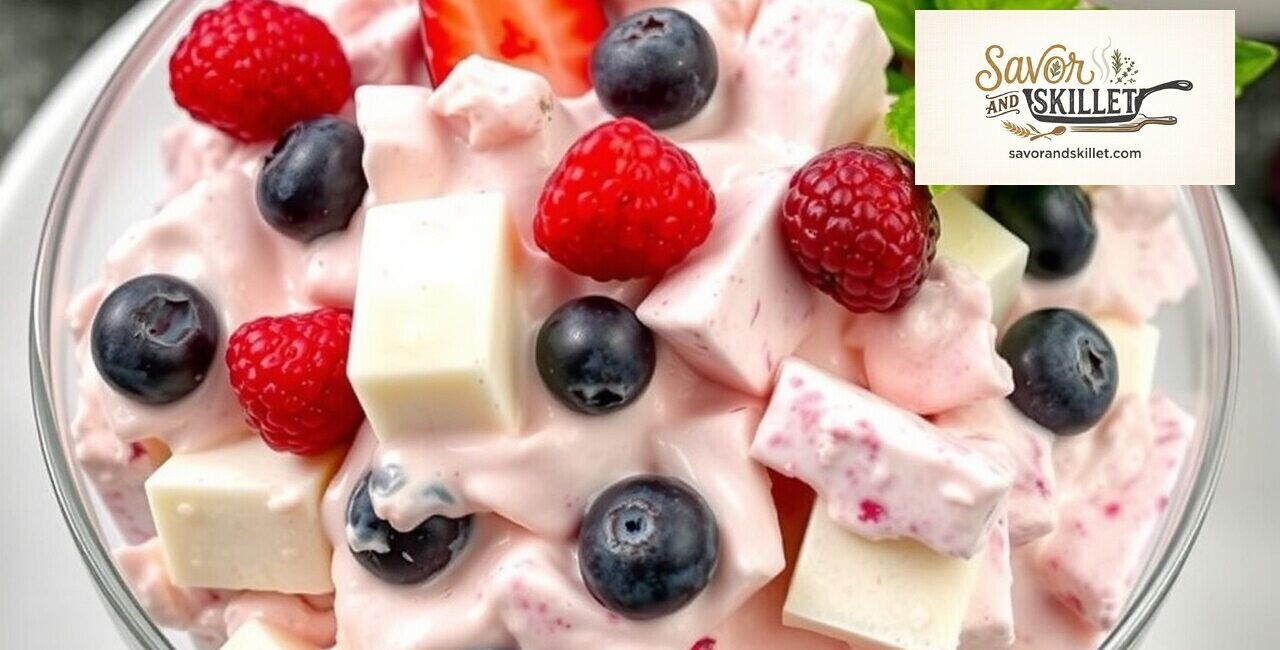
If you are searching for a nostalgic dessert that brings a touch of retro charm to any gathering, look no further than a classic Ambrosia Salad. While some might label this dish a relic of mid-century potlucks, modern iterations have transformed it into a refined, crowd-pleasing treat perfect for the 2026 hosting season. Whether you are preparing a large holiday buffet or a simple weekend dessert, this dish remains one of the most beloved fruit-based salads in the United States. Let’s dive into how you can assemble this refreshing, creamy delight in your own kitchen.
Also Read: How to Make Blueberry Pancakes: Recipe and Instructions
What is Ambrosia Salad?

Ambrosia Salad is a traditional American fruit salad characterized by a creamy base—typically consisting of whipped topping or sour cream—folded together with canned or fresh tropical fruits, shredded coconut, and miniature marshmallows. It offers a balanced profile of textures, combining the velvety smoothness of a fruit-forward dressing with the refreshing snap of citrus and the chewy, sweet contrast of marshmallows. It is well worth making because it requires no actual stovetop cooking, making it an ideal “prep-ahead” dish for busy hosts.
Essential Ingredients and Prep
Now that we have defined this iconic dish, let’s look at the components you need to build the best version of this recipe. At Savor and Skillet, we find that the secret to a high-quality fruit salad lies in the balance of moisture and texture.
Recipe Card: Quick Ambrosia Salad
- Yields: 8 servings
- Prep Time: 15 minutes
- Chill Time: 1 hour (recommended)
- Total Time: 1 hour 15 minutes
- Difficulty: Easy
To ensure your salad has the right consistency, you will need the following ingredients:
- 1 cup Whipped Topping: Thawed completely for a smooth integration.
- 1/2 cup Sour Cream or Greek Yogurt: This provides a necessary tangy cut to the sweetness.
- 1 can (11 oz) Mandarin Oranges: Must be thoroughly drained to avoid a watery consistency.
- 1 can (8 oz) Crushed Pineapple: Also well-drained; retain the juice for other uses if desired.
- 1 cup Miniature Marshmallows: The classic fruit-salad staple.
- 1/2 cup Sweetened Shredded Coconut: Provides essential texture and flavor depth.
- 1 cup Seedless Grapes: Halved for better distribution.
- Optional: Maraschino cherries for garnish and a pop of color.
When selecting your ingredients, check the FDA food safety guidelines regarding canned goods to ensure lids are intact and not bulging. If you prefer a lighter profile, Greek yogurt is a fantastic, protein-rich substitute for sour cream.
How to Make Ambrosia Salad
Since you now understand the essential ingredients, let’s move on to the actual assembly process—a task that requires more patience in folding than culinary technical skill. Following these steps ensures your salad remains light and airy rather than turning into a runny soup.
- Prepare the Base: In a large chilled mixing bowl, combine your whipped topping and sour cream (or Greek yogurt). Using a silicone spatula, whisk them gently until fully incorporated. The goal is to create a homogenous, creamy binder that will coat the fruit evenly.
- Drain the Fruit: Place your canned mandarin oranges and crushed pineapple into a fine-mesh sieve. Let them sit for at least 5 minutes to release excess syrup. If the fruit is too wet, the salad will separate within an hour of assembly.
- Fold in the Solids: Add the drained mandarin oranges, crushed pineapple, halved grapes, and shredded coconut to the cream base. Use a folding motion—scraping the sides and lifting from the bottom—to avoid crushing the delicate fruit pieces.
- Incorporate the Marshmallows: Add the miniature marshmallows last. Because marshmallows are prone to absorbing moisture, adding them just before the resting period helps maintain their signature chewy texture.
- Rest and Chill: Cover the bowl tightly with plastic wrap and refrigerate for at least one hour. This step is critical; it allows the flavors to meld and the coconut to soften slightly.
- Plating: Before serving, give the mixture one final, light stir. If desired, garnish with fresh maraschino cherries or a light dusting of toasted coconut for an elevated presentation.
This beautiful, healthy dish also tastes absolutely delicious—so you get the best of both worlds. Plus, to ensure you don’t make any mistakes while following the written instructions, you can watch the video below to guide you through the process.
Chef Tips for Texture and Flavor Control
With the step-by-step method under your belt, it is time to discuss the nuances of texture control, as this is where most home cooks encounter challenges with fruit salads. One common error is ignoring the moisture content of the fruit, which can drastically alter the final product.
To avoid a “watery” salad, always pat your fresh fruits dry with a paper towel after washing. If you are using canned fruit, don’t just drain the liquid; press the fruit gently in the sieve to extract the lingering syrup. In my experience, using a high-quality, full-fat dairy product like thick sour cream prevents the dressing from sliding off the fruit, ensuring that every bite is perfectly coated. If you find the salad is not sweet enough, avoid adding granulated sugar, which will remain gritty. Instead, use a teaspoon of powdered sugar or a drizzle of honey, which dissolves instantly into the whipped base.
Serving and Storage Recommendations
After covering the technical tips for maintaining your salad’s consistency, the obvious next question is: what is the best way to serve and store it? Ambrosia Salad is a delicate preparation that does not age as gracefully as a hearty potato salad, so timing is everything.
For the best results, keep the salad chilled in a refrigerator set to 40°F or below. It is best enjoyed within 24 hours of preparation. After this window, the marshmallows will begin to dissolve, and the fruit will release more juices, changing the texture from a fluffy salad to something more akin to a fruit dip. If you are planning a party, prep the individual components—draining the fruit and mixing the cream base—the night before, but wait to combine everything until an hour before your guests arrive. This simple Savor and Skillet strategy ensures your salad looks and tastes as fresh as possible for your event.
Variations to Modernize the Classic
We just unpacked the best practices for serving and storage; now here’s where it gets really interesting: how to customize the recipe to suit modern tastes. While the classic version is iconic, the 2026 culinary landscape invites us to experiment with fresh ingredients.
If you want to move away from canned goods, substitute the mandarin oranges for fresh clementine segments and use fresh pineapple chunks rather than crushed. To add a sophisticated crunch, consider folding in toasted macadamia nuts or slivered almonds—just be sure to add them immediately before serving so they don’t lose their crispness. For a tropical twist, replace a portion of the coconut with toasted coconut flakes or add a half-teaspoon of pure vanilla bean paste to the whipped cream base. These minor adjustments can make an old-fashioned favorite feel brand new.
Frequently Asked Questions About Ambrosia Salad
How can I keep my Ambrosia Salad from getting runny?
The most effective way to prevent a runny salad is to thoroughly drain and pat dry all your fruit before folding it into the cream base. Excess moisture is the enemy of this dish, so even a little liquid from the pineapple or mandarin oranges can compromise the thick texture of the dressing.
Can I make this salad ahead of time?
Yes, you can prep the components in advance, but it is best to assemble the salad no more than 2–4 hours before you plan to serve it. Combining the ingredients too far in advance allows the marshmallows to absorb the dressing, which can lead to a mushy consistency over time.
Is it possible to make a healthier version of this recipe?
You can certainly lighten the recipe by using non-fat Greek yogurt instead of sour cream and choosing a sugar-free whipped topping or a low-sugar coconut. Fresh fruit is naturally sweet, so focusing on higher-quality, seasonal fruit can allow you to reduce the amount of added sweeteners in the base.
What should I do if the salad is too thick?
If the salad is too thick for your preference, add a tablespoon of the reserved pineapple juice or a splash of heavy cream to the mixture. Whisk it in slowly until you reach your desired consistency, ensuring you do not over-thin the dressing to the point where it separates.
Can I add nuts to this salad?
Adding nuts is a fantastic way to introduce a crunchy texture that contrasts well with the soft fruit and marshmallows. Pecans, walnuts, or macadamia nuts work exceptionally well; just toast them lightly in a dry pan beforehand to enhance their nutty aroma and ensure they maintain their snap.
Final Thoughts
After navigating the essentials of ingredients, techniques, and common pitfalls, it is clear that Ambrosia Salad remains a timeless staple for a reason. By focusing on proper drainage and careful folding, you can easily create a professional-grade dessert that holds its structure and flavor. We hope this guide helps you bring this delightful, refreshing dish to your table with confidence. Try this recipe for your next gathering in 2026—your guests will appreciate the effort you put into perfecting such a nostalgic classic. If you enjoyed this guide, feel free to explore other refreshing recipes on Savor and Skillet for more kitchen inspiration!

Other Articles

Seven Layer Salad Recipe: How to Make It Step by Step
Waldorf Salad Recipe: How to Make It

No Comment! Be the first one.