





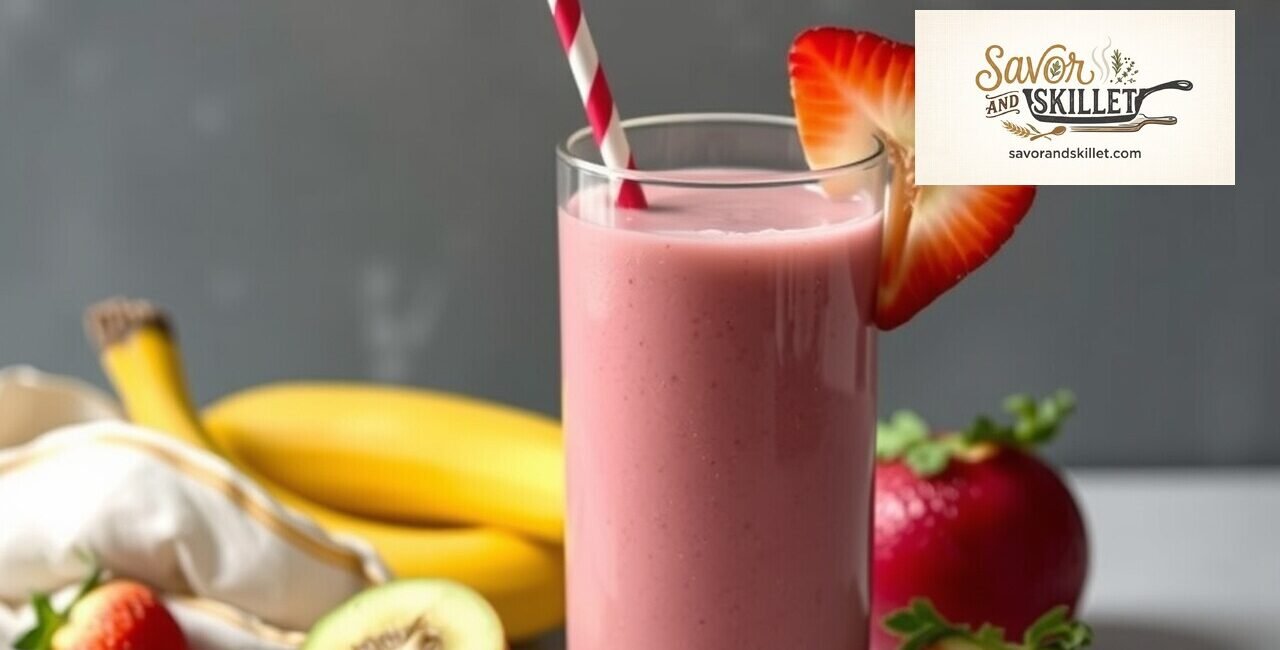
There is nothing more disappointing than starting your morning with a watery, separation-prone drink that tastes more like icy water than vibrant fruit. If you are tired of gritty, separated, or flavorless blends, mastering fresh fruit smoothie recipes with a simple formula is the ultimate kitchen hack for your morning routine. In 2026, we are moving away from complex, hyper-expensive superfood powders and returning to the clean, elemental physics of home blending. Today, I will walk you through the precise science of creating beautifully emulsified, velvety drinks every single time.
Hi, I am Mirdania, and when I first attempted to make daily blended drinks years ago, I will be honest—I was incredibly confused by how inconsistent my results were. Some days my drink was too thick to pour; other days it split into an unappealing swampy layer within minutes. I completely understand the frustration here—most home cooks hit this exact wall. But once you understand how ingredients interact under high-speed shear blades, you can easily formulate your own recipes on the fly. Let us dive into the fundamental ratio that will change your breakfast game forever.
What Are Fresh Fruit Smoothie Recipes with a Simple Formula?
Fresh fruit smoothie recipes with a simple formula are standardized blending ratios—typically 3 parts fruit, 2 parts liquid, 1 part thickener, and an optional enhancer—that guarantee a creamy, emulsified texture and balanced sweetness without the need for a precise written recipe every single time.
This culinary blueprint relies on the structural components of your ingredients rather than rigid, cup-by-cup measurements. By understanding how to balance soluble fiber (pectin), liquids, healthy fats, and temperature, you can create a perfectly suspended emulsion. The ideal drink should have a velvety, spoon-coating consistency that holds its suspension for at least 30 minutes without separating into a clear watery bottom and a pulpy top layer. This formula is worth making because it empowers you to utilize whatever fresh or frozen fruit you have on hand, reducing food waste while keeping your grocery budget in check.
According to nutritional guidelines published by the Harvard T.H. Chan School of Public Health, whole fruit blends retain essential dietary fiber that slow-press juicing discards, making a properly formulated drink an excellent way to support daily metabolic health. By using our structured system, you ensure that the sugar release from the fruits is mitigated by healthy fats and proteins, preventing the dreaded mid-morning blood sugar crash.
Essential Fresh Fruit Smoothie Recipes with a Simple Formula Ingredients
Now that we have covered what fresh fruit smoothie recipes with a simple formula actually are, let us move on to the physical elements—the exact building blocks you need to set up on your counter. Below is a comprehensive breakdown of the standard master recipe, which you can easily modify depending on what is currently in your pantry or freezer.
| Formula Component | Standard Ratio Quantity | Best Ingredient Choices |
|---|---|---|
| The Fruit Base (Frozen & Fresh) | 1.5 to 2 Cups (approx. 200g-250g) | Frozen berries (Dole brand is excellent), ripe bananas, mango chunks, peaches |
| The Liquid Base | 1 to 1.25 Cups (approx. 240ml-300ml) | Unsweetened almond milk, oat milk, coconut water, cold green tea |
| The Thickener/Binder | 0.5 Cup (approx. 120g) | Plain Greek yogurt, skyr, half a medium avocado, rolled oats, silken tofu |
| The Natural Enhancer | 1 to 2 Tablespoons | Chia seeds, flaxseeds, almond butter, raw honey, fresh ginger, mint leaves |
Standard Recipe Profile
- Yield/Servings: 1 Large Serving (approx. 16 oz / 480ml) or 2 Small Servings
- Prep Time: 5 Minutes
- Cooking Time (Blending): 1 Minute
- Total Time: 6 Minutes
- Difficulty: Beginner-Friendly / Very Easy
The Essential Equipment You Need
To execute this master formula successfully, the quality of your equipment plays a massive role. You do not necessarily need a commercial-grade machine, but a high-performance blender makes a noticeable difference. Savor and Skillet editorial assessments suggest using a blender with at least a 1000-watt motor, such as a Vitamix E310, a Blendtec Classic, or a high-end Ninja Professional blender. These motors generate enough shear force to break down frozen fiber and seeds into a completely homogenous liquid.
Intelligent Ingredient Substitutions and Allergen Notes
If you are navigating food sensitivities, this formula is incredibly accommodating. For a dairy-free or vegan version, swap the Greek yogurt for an equal amount of silken tofu, coconut milk yogurt, or half an avocado. The avocado will provide that same luxurious, velvety mouthfeel due to its monounsaturated fats. For those with nut allergies, completely avoid almond milk and almond butter; instead, opt for oat milk, soy milk, or coconut water, paired with sunflower seed butter or pumpkin seeds as your enhancer.
Step-by-Step Guide: How to Make Fresh Fruit Smoothie Recipes with a Simple Formula
With our fresh fruit smoothie recipes with a simple formula ingredients lined up on the kitchen counter, it is time to look at the actual physics of blending. The order in which you stack your ingredients inside the pitcher determines whether your blender blades spin uselessly in an air pocket or pull everything down into a perfect vortex.
Follow these highly specific, chef-approved steps to achieve an flawless blend:
Step 1: The Liquid Foundations (Mise en Place)
Pour your chosen liquid (such as unsweetened oat milk or coconut water) directly into the bottom of your blender pitcher first. Placing the liquid at the very bottom of the jar is crucial because it creates a pool around the blades, allowing them to spin freely and pull the heavier, solid ingredients down into a continuous vortex once the motor starts.
Step 2: Add Thickeners, Powders, and Seeds
Add your thickener (such as Greek yogurt or avocado) followed by any powder enhancers (like protein powder or cocoa) and seeds (like chia or flax). Placing these items directly on top of the liquid ensures they are fully hydrated immediately, which prevents dry powders from floating to the top, sticking to the lid, or remaining in chalky clumps throughout your finished drink.
Step 3: Layer the Fresh Fruit and Greens
Next, drop in your soft, fresh ingredients. If you are using fresh spinach, kale, fresh banana slices, or soft berries, layer them now. These ingredients are easily pulverized and will quickly merge with the liquid base, adding volume and density to your liquid vortex before the hard, frozen elements are introduced.
Step 4: Top with Frozen Fruit and Ice
Lastly, add your heavy, frozen ingredients—such as frozen strawberries, wild blueberries, mango chunks, or ice cubes—at the very top. The weight of these frozen elements physically pushes the lighter, leafy greens and fresh fruits down into the blades. This gravitational stack forces a quick, clean blend without requiring you to constantly stop the motor to scrape down the sides.
Step 5: Master the Blade
Secure the lid firmly and begin blending on the lowest speed for approximately 10 seconds. This gentle start allows the liquid to circulate without forcing ingredients against the lid. Gradually increase the speed to high and blend for 35 to 45 seconds, or until the mixture looks glossy and completely uniform.
Avoid running the blender longer than necessary. Extended blending creates heat through friction, which can dull the fresh flavor of berries and greens while making the drink thinner. If the blades appear to be spinning without pulling the ingredients down, stop the motor, remove the lid only after the blades have completely stopped, and add one tablespoon of liquid at a time. Never use a spoon or spatula while the motor is running.
Step 6: Check and Adjust the Texture
Taste the smoothie immediately before pouring it into a glass. If it is too thick, add two tablespoons of liquid and pulse briefly. If it is too thin, add a few frozen fruit pieces, one tablespoon of oats, or another spoonful of yogurt and blend for 10 seconds.
The best fresh fruit smoothie recipes with a simple formula are flexible because the water content of fruit changes from season to season. A perfectly ripe peach may need less liquid than a firm banana, while frozen berries may require a small splash of milk to keep the vortex moving. Make small adjustments rather than adding a large amount all at once.
Step 7: Serve Immediately
Pour the finished smoothie into a chilled glass and serve immediately for the brightest flavor and smoothest texture. If you want a thicker breakfast bowl, reduce the liquid to ¾ cup, use mostly frozen fruit, and blend with the tamper or stop once to scrape the sides.
The Best Flavor Combinations Using the Master Formula
Once you understand the ratio, you can build a new smoothie from whatever ingredients are available. These combinations are balanced starting points; adjust the liquid and enhancer according to your preferred sweetness and thickness.
Berry Almond Breakfast Smoothie
Use 1 cup of frozen mixed berries, ½ a ripe banana, 1 cup of unsweetened almond milk, ½ cup of Greek yogurt, and 1 tablespoon of almond butter. The berries provide acidity, while the banana and almond butter soften the sharpness and create a naturally creamy finish.
Tropical Mango Green Smoothie
Blend 1 cup of frozen mango, ½ cup of frozen pineapple, 1 cup of coconut water, ½ cup of silken tofu, and a small handful of spinach. Add a squeeze of lime or a thin slice of fresh ginger for a bright, clean finish.
Peach Oat Cream Smoothie
Combine 1½ cups of frozen peaches, 1 cup of oat milk, ½ cup of plain yogurt, and 1 tablespoon of rolled oats. A pinch of cinnamon makes this blend taste like a breakfast version of peach crumble without requiring added sugar.
Chocolate Banana Protein Smoothie
Use 1 frozen banana, 1 cup of soy or oat milk, ½ cup of Greek yogurt or silken tofu, 1 tablespoon of unsweetened cocoa powder, and 1 tablespoon of peanut or sunflower seed butter. If using protein powder, start with a small amount and add extra liquid only if needed.
Common Problems and How to Fix Them
Why does my smoothie separate?
Separation usually occurs when the drink contains too much free liquid or too little binder. Add a little Greek yogurt, avocado, oats, chia seeds, or frozen banana next time. You can also blend for another 10 seconds immediately before serving. Freshly blended drinks are naturally perishable, so a small amount of settling after storage is normal.
Why is my smoothie watery?
Reduce the liquid by ¼ cup and replace some of the fresh fruit with frozen fruit. Ice can cool the drink, but it also melts and dilutes the flavor. Frozen fruit is a better way to achieve a thick texture because it contributes both structure and flavor.
Why is my smoothie gritty?
Grittiness may come from berry seeds, flaxseeds, unblended greens, or a blender that is not powerful enough for the ingredients. Soak chia or flax for a few minutes before blending, use finely ground seeds, or blend the liquid and greens first before adding frozen fruit. A high-speed blender will produce the smoothest result.
Why does my smoothie taste bland?
A cold drink can mute sweetness and acidity. Add a small squeeze of lemon or lime, a pinch of salt, a little fresh ginger, or one teaspoon of honey. Taste after each adjustment. The goal is not to make the smoothie sugary; it is to give the fruit enough contrast to taste vibrant.
Why does my smoothie turn brown?
Bananas, apples, and avocados naturally oxidize after they are cut. Citrus juice can slow this process, and storing the smoothie in a full, airtight container can reduce contact with air. The color change does not automatically mean the smoothie has spoiled, but use your senses and follow the storage guidance below.
How to Store a Fresh Fruit Smoothie Safely
For the best taste, drink your smoothie immediately. If you need to prepare it ahead of time, pour it into a clean airtight container, fill the container as close to the top as practical, and refrigerate it promptly. Shake or stir before drinking because some separation is expected during storage.
As a general kitchen-safety practice, keep a prepared smoothie refrigerated and consume it within 24 hours. Do not leave it at room temperature for extended periods, particularly when it contains dairy, yogurt, tofu, or other perishable ingredients. Wash the blender jar, lid, and blade assembly soon after use so fruit sugars do not dry onto the seals.
How to Make the Formula More Filling
The basic formula creates a flavorful drink, but a complete breakfast may need more staying power. Add a protein-rich binder such as Greek yogurt, skyr, silken tofu, or a suitable protein powder. A tablespoon of nut or seed butter contributes fat and flavor, while oats and chia seeds add body and fiber.
Keep the proportions balanced. Adding too many powders, seeds, or nut butters can make the drink pasty and difficult to blend. Start with one enhancer, taste, and then add another only if the texture still moves smoothly through the blender.
Final Thoughts
Fresh fruit smoothie recipes with a simple formula do not require expensive ingredients or a refrigerator full of specialty powders. The most important principles are straightforward: use enough fruit for flavor, enough liquid for circulation, a thickener for body, and an enhancer for balance. Place the ingredients in the correct order, begin blending gently, and make small adjustments instead of guessing.
Once this 3-part fruit, 2-part liquid, and 1-part thickener structure becomes familiar, you will no longer need to search for a new recipe every morning. You can turn ripe bananas, leftover berries, frozen mango, leafy greens, or a nearly empty yogurt container into a smooth, satisfying breakfast in minutes. The formula is a starting point, not a restriction—and that is what makes it useful.
Frequently Asked Questions
Can I use only fresh fruit?
Yes, but the result will usually be thinner and warmer than a smoothie made with frozen fruit. Use less liquid, add chilled yogurt, or include a few ice cubes if you want a colder, thicker drink.
Can I make a smoothie without yogurt?
Absolutely. Use silken tofu, avocado, soaked oats, coconut milk yogurt, or a small amount of nut or seed butter as the binder. Choose oat milk, soy milk, or coconut water if you also need a dairy-free option.
What is the best fruit for a creamy smoothie?
Banana, mango, avocado, and peaches provide natural creaminess. Berries add strong flavor and color but may need banana, yogurt, oats, or avocado to create a softer texture.
Can I add vegetables to this formula?
Yes. Spinach and cucumber have mild flavors and blend easily. Carrots, beets, and firm greens are more fibrous, so cut them into small pieces and blend them with the liquid before adding frozen fruit.
How much liquid should I use for one serving?
Start with 1 cup and keep an extra ¼ cup nearby. Add more only when the blender needs help circulating the ingredients. The exact amount depends on the water content of the fruit and the texture you prefer.
Can I use this formula for a smoothie bowl?
Yes. Use approximately ¾ cup of liquid, use mostly frozen fruit, and blend slowly until the mixture is thick enough to spoon into a bowl. Top with fruit, seeds, oats, or nut butter just before serving.
At Savor and Skillet, we believe that practical cooking knowledge should make everyday meals easier, more enjoyable, and less wasteful. Our kitchen guides focus on approachable techniques, useful ingredient formulas, and realistic advice that home cooks can use with confidence.
Mirdania Mutia writes about practical recipes, kitchen techniques, and simple ways to make homemade food more satisfying. In this guide, she shares the blending formula that helped her create smoother, creamier fresh fruit smoothies without relying on a rigid recipe every morning.
Thank you for cooking with Savor and Skillet. Start with the basic formula, adjust it to the ingredients you have available, and enjoy your smoothie while it is fresh.

Other Articles

Can You Eat Food Past Its Best-By-Date?
How to Make Iced Coffee at Home Without Watery Flavor

No Comment! Be the first one.