





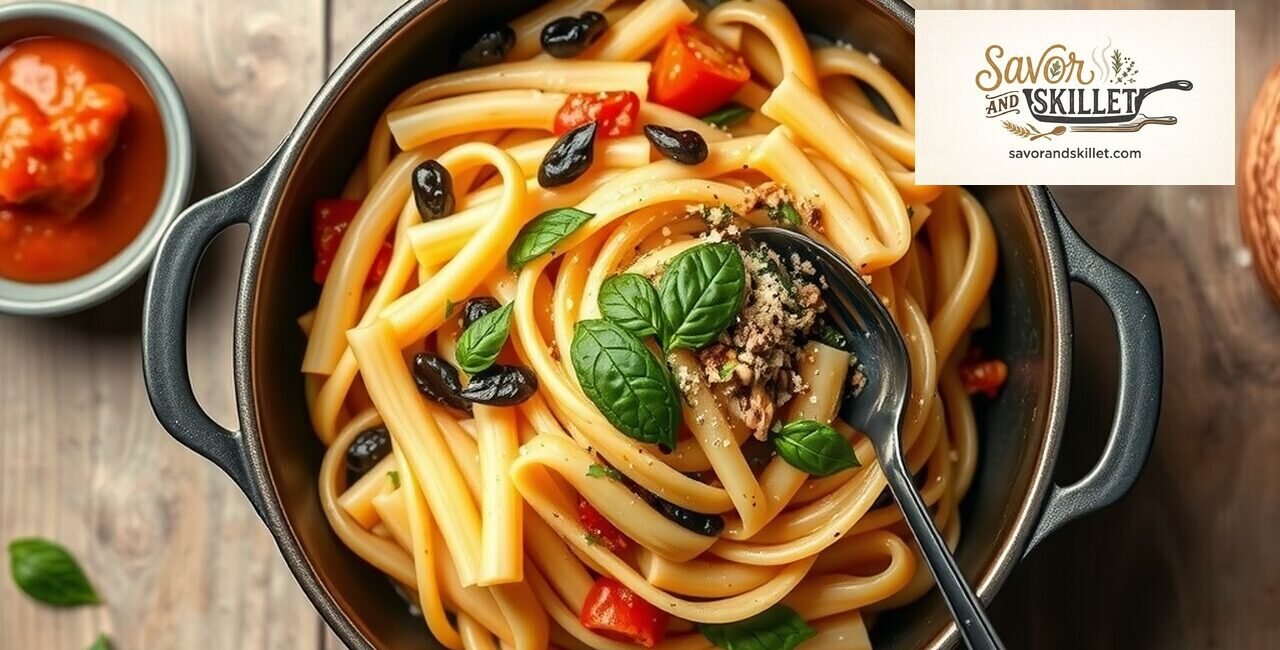
Finding the perfect balance between flavor and speed is the ultimate challenge for any home cook juggling a busy schedule. If you are tired of washing stacks of dishes after a long day, one pot pasta recipes for easy weeknight dinners offer a sophisticated, streamlined solution. By cooking the starch directly in the sauce, the pasta releases its natural starches, creating a velvety, cohesive final dish. Whether you are a novice or a seasoned cook, these methods remain a staple of efficient meal planning in 2026. Let’s dive into how you can elevate your midweek routine with these reliable techniques.
Also Read: Why Cakes Sink in the Middle and How to Prevent It
Understanding One Pot Pasta Recipes for Easy Weeknight Dinners
One pot pasta recipes for easy weeknight dinners are efficient culinary preparations where dry pasta and sauce components simmer simultaneously in a single vessel. This technique relies on the precise ratio of liquid to starch, resulting in a rich, emulsified sauce with a silky mouthfeel. These recipes are ideal for busy households because they minimize cleanup while maximizing flavor extraction through concentrated boiling.
The beauty of this method lies in the chemistry. Unlike traditional boiling, where pasta water is discarded, the starch remains in the pot, acting as a natural thickener. As we look at the trends for 2026, the focus has shifted toward high-quality, minimal ingredients that shine through simplicity. If you skip the step of draining your noodles, you are essentially saving ten minutes of cleanup and gaining a much deeper flavor profile.
Essential Ingredients and Equipment
Now that we have covered the foundational theory behind these dishes, let’s get down to business with the essential components. To ensure success, you need the right tools and ratios.
Recipe Specs
- Yield: 4 servings
- Prep Time: 10 minutes
- Cook Time: 15 minutes
- Total Time: 25 minutes
- Difficulty: Easy
Ingredients Checklist
- 1 pound (450g) dried linguine or spaghetti
- 1 can (28 oz) crushed San Marzano tomatoes
- 4 cups vegetable or chicken broth (low sodium)
- 1 medium yellow onion, thinly sliced
- 4 cloves garlic, smashed and minced
- 2 tablespoons extra virgin olive oil
- 1 teaspoon dried oregano
- 1/2 cup fresh basil leaves, torn
- Kosher salt and cracked black pepper to taste
- 1/2 cup freshly grated Parmesan cheese
For equipment, I highly recommend using a wide, heavy-bottomed Dutch oven or a deep stainless steel sauté pan. You need enough surface area for the pasta to be fully submerged while still having space for the liquid to circulate. Avoid narrow pots, as they can cause the pasta to clump during the early stages of cooking.
How to Make One Pot Pasta Recipes for Easy Weeknight Dinners
With your equipment and ingredients prepped, we can move straight into the cooking process. Mastering these one pot pasta recipes for easy weeknight dinners requires paying close attention to the liquid absorption rate.
- Combine Ingredients: Place the dry pasta, crushed tomatoes, onion slices, minced garlic, olive oil, oregano, and broth into your Dutch oven. Ensure the pasta is mostly submerged in the liquid. If the pasta is poking out too much, gently push it down with a pair of tongs.
- The Initial Boil: Bring the mixture to a rolling boil over medium-high heat. Once boiling, stir immediately to prevent the pasta from sticking to the bottom of the pot.
- Simmer and Agitate: Reduce the heat to a steady simmer. Cook for 9 to 12 minutes, depending on the pasta thickness. You must stir every 2 minutes. This agitation is critical; it releases the starches from the pasta into the broth, creating that signature silky sauce.
- Doneness Cue: The dish is ready when the pasta is al dente and the sauce has thickened to a consistency that coats the back of a spoon. If the liquid is still too thin, cook for an additional 60 seconds. If it looks dry, add a quarter-cup of hot water or broth.
- Finish: Turn off the heat. Stir in the Parmesan cheese and fresh basil. Taste for seasoning, adding kosher salt and cracked black pepper as needed. Let it sit for 2 minutes before serving so the flavors can marry.
Extra content for you:
Chef Techniques for Consistent Results
Since you now understand the basic steps involved in the cooking process, let’s discuss how to refine your technique for even better results. Achieving professional-level consistency requires attention to two main factors: liquid volume and heat management.
Most home cooks struggle because they use too much liquid, leading to a soup rather than a cohesive pasta dish. According to industry guidelines from Serious Eats, the starch-to-water ratio is the single most important variable. Always err on the side of caution; you can always add more broth near the end, but you cannot easily thicken a sauce once it has been over-diluted.
In my experience, the type of pasta you choose matters. Bronze-die cut pasta releases more starch than standard commercial brands, which significantly improves the texture of your final sauce. If you find your pasta is sticking together, it is usually because the heat was too high or you didn’t start the initial stir immediately after the liquid began to boil.
Troubleshooting Common Mistakes
After covering the technical side of the cooking process, the obvious next question is: what about when things go wrong? Even the best one pot pasta recipes for easy weeknight dinners can run into hurdles if you aren’t prepared.
One of the most frequent frustrations is uneven cooking, where some noodles remain crunchy while others are mushy. This usually happens when the pot is overcrowded. If you are cooking for a large group, do not try to double the recipe in one pot unless you have a commercial-sized vessel. Sticking to the one-pound limit per standard Dutch oven is the best way to ensure even heat distribution.
Another common issue is scorching at the bottom of the pan. This usually occurs if the heat is too high from the start. Remember, because the sauce is dense with tomatoes and starch, it acts as an insulator and can trap heat at the bottom. Keep the pot at a manageable simmer—think of a gentle bubble rather than an aggressive volcanic eruption—and stir with a heat-resistant spatula, ensuring you scrape the very corners of the pot.
Serving, Storage, and Reheating
With the cooking and troubleshooting out of the way, we can look at the practical side of meal planning. Properly handling your one pot pasta recipes for easy weeknight dinners ensures that your leftovers taste just as good as the first serving.
If you have leftovers, allow the pasta to cool to room temperature before transferring it to an airtight container. It will keep in the refrigerator for up to three days. When reheating, the pasta will likely have absorbed most of the remaining sauce, appearing dry. Add a tablespoon of water or broth before microwaving or reheating on the stovetop to bring back that creamy consistency. At Savor and Skillet, we always suggest reheating on the stovetop over low heat rather than the microwave for a more uniform texture.
Variations and Flavor Enhancements
Building on the foundation of the base recipe, we can now look at how to customize your meals. The versatility of these dishes is what makes them so popular for busy 2026 kitchens.
You can easily pivot your flavor profile by changing the base liquid. For a brighter, Mediterranean-style dish, use a mix of white wine and vegetable broth. If you want something heartier, add pre-cooked sausage or sautéed mushrooms at the very end. The key is to add solid proteins only after the pasta is nearly finished so they do not overcook or make the sauce cloudy.
Don’t be afraid to experiment with herbs as well. While basil is a classic, try adding rosemary or thyme at the beginning of the cook for a more earthy, aromatic depth. For a spicy kick, add red pepper flakes during the first step. Small adjustments to your pantry staples can turn a simple weeknight dinner into something that feels like a deliberate, gourmet choice.
Frequently Asked Questions About One Pot Pasta Recipes for Easy Weeknight Dinners
Can I use any type of pasta for these recipes?
You can use most dry pasta shapes, though thinner noodles like angel hair require less liquid and shorter cook times. Stick to dried shapes like linguine, spaghetti, or penne, as they hold up well to the consistent stirring required for this method.
Why is my pasta clumping together while cooking?
Pasta clumps when the starch is released too quickly without enough agitation to keep the strands separated. Ensure you stir the pasta vigorously during the first few minutes of boiling and keep the liquid at a consistent simmer rather than a rolling boil.
Do I need to change the cooking time for whole wheat pasta?
Yes, whole wheat pasta generally requires a slightly longer cook time and potentially more liquid. Since the bran in whole wheat flour absorbs moisture differently than refined flour, check the texture at the 12-minute mark and add more broth if the pasta still feels too firm.
Can I add fresh vegetables to the pot?
You can certainly add vegetables, but add them based on their density. Hard vegetables like carrots should go in at the start, while softer greens like spinach should be stirred in during the final two minutes to prevent them from becoming slimy.
Is this method safe for high-protein pasta alternatives?
Most legume-based pastas, such as those made from chickpeas or lentils, tend to break down faster than traditional wheat pasta. If you choose these, monitor the pot closely and reduce the cooking time by about 25% to avoid the pasta turning into a paste.
Conclusion
We just unpacked the core strategies and techniques needed for successful one pot pasta recipes for easy weeknight dinners — now here is where it gets really interesting: the potential for customization is endless. By following these steps, you have unlocked a toolset that saves time, reduces cleanup, and consistently delivers a restaurant-quality texture that relies on the magic of starchy pasta water. As you plan your meals for 2026, keep this flexible method in your back pocket for those nights when you want a home-cooked meal without the kitchen clutter. Try preparing this tonight, and you will immediately see why this is a favorite among the Savor and Skillet community. Happy cooking!

Other Articles

Michel Roux Net Worth, Bio, Career & Signature Dishes (2026)
Monica Galetti Net Worth, Bio, Career & Signature Dishes (2026)

No Comment! Be the first one.