



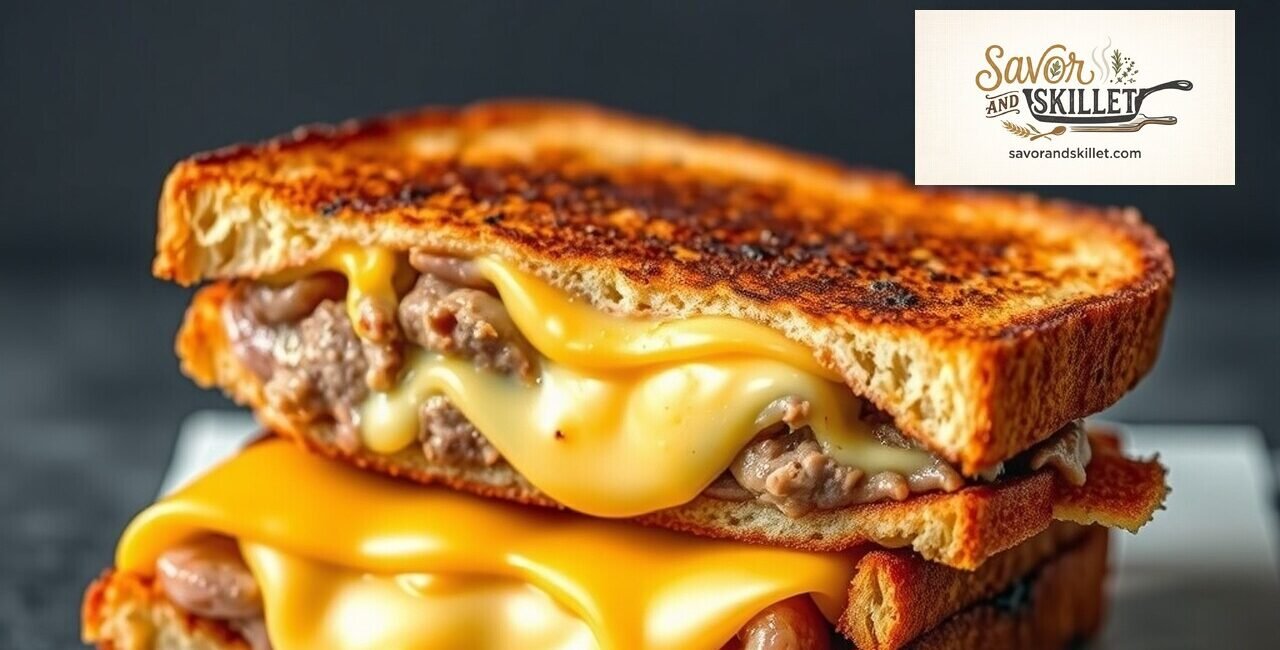
There is a specific kind of comfort found in the perfect Patty Melt—a dish that sits comfortably at the intersection of a classic burger and a grilled cheese sandwich. If you are looking for an easy patty melt recipe to master in 2026, you have come to the right place. Creating that signature golden-brown, buttery rye crust paired with juicy beef and melted Swiss cheese is an art form, but one that is surprisingly accessible for any home cook. At Savor and Skillet, we believe the best meals are those that rely on high-quality ingredients and precise heat control. Whether you are cooking for a quiet weeknight or a weekend lunch, mastering this technique will change how you approach comfort food. Let’s dive into the components that make this sandwich a timeless staple.
Also Read: How to Make Blueberry Pancakes: Recipe and Instructions
What Exactly Is a Patty Melt?

A Patty Melt is a griddled sandwich consisting of a ground beef patty, caramelized onions, and Swiss cheese, traditionally served on toasted rye bread. It differs from a standard cheeseburger by using bread instead of a bun and focusing on a crispy, pan-seared exterior that creates a complex, savory flavor profile.
The beauty of this dish lies in the structural integrity provided by the griddle. Unlike a burger, which can sometimes become a messy affair of sliding toppings, the patty melt is compressed, ensuring that every bite contains a perfect ratio of meat, cheese, and aromatics. In my experience, the secret often lies in the quality of the rye bread and the patience required to properly caramelize the onions. According to culinary trends observed in 2026, home cooks are increasingly returning to these “diner-style” classics, favoring the balance of simple ingredients over over-complicated gourmet stacks. When you get the ratios right, the contrast between the tender interior and the butter-fried crunch is unmatched.
Ingredients and Preparation

Recipe Overview
- Servings: 2 sandwiches
- Prep Time: 10 minutes
- Cook Time: 20 minutes
- Total Time: 30 minutes
- Difficulty: Intermediate
Ingredients
- Beef: 1/2 lb (8 oz) ground beef, preferably 80/20 lean-to-fat ratio for maximum flavor.
- Bread: 4 slices of high-quality marbled rye or dark rye bread.
- Cheese: 4 slices of Swiss or Gruyère cheese.
- Onions: 1 large yellow onion, thinly sliced into half-moons.
- Fat: 3 tablespoons unsalted butter, softened.
- Seasoning: Kosher salt and freshly cracked black pepper to taste.
- Optional: 1 teaspoon Worcestershire sauce for depth in the onions.
Before you begin, ensure you have a heavy-bottomed cast-iron skillet or a well-seasoned flat-top griddle. These tools are essential for achieving an even crust. If you are substituting ingredients, note that using a lower-fat beef might lead to a drier patty, so be cautious. You can find more tips on essential kitchen gear in our kitchen essentials guide.
How to Make the Perfect Patty Melt
Now that we have our ingredients ready, let’s focus on the execution—which is truly the heart of learning how to make a patty melt. Follow these steps carefully to ensure the best texture and flavor development.
- Caramelize the Onions: Heat one tablespoon of butter in your skillet over medium-low heat. Add the sliced onions and a pinch of salt. Cook slowly, stirring occasionally, for about 12–15 minutes until they are a deep, golden mahogany color. If they start to burn, add a splash of water to deglaze the pan. Remove and set aside.
- Shape the Patties: Take your beef and shape it into two rectangular or oval patties that match the general size and shape of your bread slices. Season generously with salt and pepper on both sides.
- Sear the Beef: Wipe out the skillet and increase the heat to medium-high. Add the patties. Sear for 3–4 minutes per side. You are looking for a deep brown crust. Avoid pressing down on the patties too hard, as you want to keep those juices inside. Once cooked through, remove them from the pan.
- Assemble the Sandwich: Wipe the skillet clean. Butter one side of each slice of bread. Place two slices in the skillet, butter-side down. Layer on a slice of cheese, the beef patty, the caramelized onions, and a second slice of cheese. Top with the remaining bread slices, butter-side up.
- The Final Griddle: Cook the sandwiches over medium heat for about 3–4 minutes per side. Use a heavy press or a spatula to apply light pressure, which helps the cheese melt and binds the ingredients together. Once the bread is dark golden-brown and the cheese is pulling, remove from the heat and let rest for one minute before slicing.
Combining juicy meat, caramelized onions, and melted cheese between slices of crispy toasted bread, the Patty Melt is the ultimate comfort food to refuel after a long day. I’m sharing this recipe especially for Savor and Skillet readers so you can enjoy a delicious, indulgent meal even amidst a busy daily routine.
To ensure the perfect crispy texture and gooey melted cheese when you make it yourself, check out the full guide in the video tutorial I’ve included below:
Mastering the Technique: Tips and Tricks
With the assembly process detailed above, it becomes clear that temperature management is the most critical factor in achieving that professional-level finish. A common mistake many make is rushing the caramelization of the onions; if you try to hurry this process by using high heat, the onions will simply char rather than develop that essential, sweet complexity. If you find your cheese isn’t melting fast enough, you can create a small “steam pocket” by covering the pan with a lid for the final 60 seconds of cooking.
For those who want to refine their approach, consider using a high-quality salted butter for the bread to ensure maximum browning potential. According to food safety guidelines from authoritative sources like the FDA, ensure the internal temperature of the beef reaches 160°F (71°C) to eliminate any risks, especially when dealing with ground meat. Don’t be afraid to add a hint of Dijon mustard or a swipe of Russian dressing to the inside of the bread if you prefer a sharper, more acidic bite to contrast the richness of the beef and cheese.
Troubleshooting Common Patty Melt Issues
Since you now understand the importance of heat control and temperature safety, let’s address some common hurdles that might arise during the cooking process. Even for experienced cooks, a few things can go wrong—the most frequent being bread that burns before the cheese has melted. If you notice your rye bread darkening too quickly, immediately turn the heat down to low. The goal is a steady, slow melt; if the crust gets too dark, you can always move the sandwich to a warm oven to finish melting the cheese.
Another issue is “soggy bread.” This usually happens if the onions haven’t been drained of excess fat or if there is too much moisture in the pan. Always ensure your cooked onions are placed on a paper towel for a moment before layering them into the sandwich. If the beef patties seem to be shrinking too much, creating a small indentation in the center of the raw patty with your thumb can help them maintain a flat shape while they sear, resulting in a more even sandwich structure.
Variations and Pairings
After covering the troubleshooting basics, you might wonder how to customize this dish for different preferences—or what to serve alongside it. A patty melt is a heavy, savory dish, so it benefits greatly from sides that offer a bit of acidity or brightness. Think of a crisp coleslaw, a light cucumber salad, or perhaps some quick-pickled red onions to cut through the fat of the beef and butter.
If you want to experiment with variations, try swapping the Swiss cheese for white cheddar for a sharper flavor, or add a slice of sautéed mushroom for an earthy note. Some variations involve using different types of bread, such as sourdough, though keep in mind that rye provides a specific earthy profile that helps balance the saltiness of the beef. At Savor and Skillet, we encourage you to use this recipe as a canvas; once you have the foundation, the possibilities for customization are endless.
Frequently Asked Questions About Patty Melt
How do I keep the rye bread from burning before the cheese melts?
The trick is to use medium-low heat throughout the final griddling phase rather than medium-high. By taking your time, the heat has a chance to penetrate the center of the sandwich and melt the cheese without carbonizing the exterior of the bread.
What is the best type of cheese for a patty melt?
Swiss cheese is the traditional choice because its mild, nutty flavor complements the rye bread perfectly without overwhelming the beef. However, Gruyère is an excellent alternative if you want a slightly more intense, melty result.
Can I make the patties ahead of time?
Yes, you can shape and season the patties and keep them refrigerated for up to 24 hours before cooking. Just ensure they are kept in an airtight container to maintain freshness and prevent the meat from oxidizing.
Why is it called a patty melt?
The name is descriptive of the method: it is a ground beef “patty” that is “melted” together with cheese and onions inside bread on a griddle. It originated in the mid-20th century, typically credited to diner culture in the United States.
How do I store and reheat leftovers?
While a patty melt is best eaten fresh, you can store leftovers in the refrigerator for up to 2 days. To reheat, avoid the microwave, which will turn the bread soggy; instead, place the sandwich in a skillet over low heat, covered, until it is warmed through.
Conclusion
By following these steps, you have everything needed to create a restaurant-quality meal right in your own kitchen. We have walked through the essential components—from the patient caramelization of onions to the careful griddling of the rye bread—that define the ultimate patty melt experience. Remember, the quality of your finished dish is entirely dependent on your attention to heat and the patience you bring to the stove. 2026 is a fantastic year to refine these classic techniques and bring a little bit of comfort back into your dining rotation. If you enjoyed this guide, try it out this week and share your result with us—there is nothing quite like the satisfaction of perfecting a true diner classic from scratch.

Other Articles

California Club Sandwich Recipe: How to Make It Step by Step
Monte Cristo Sandwich Recipe: How to Make It

No Comment! Be the first one.