





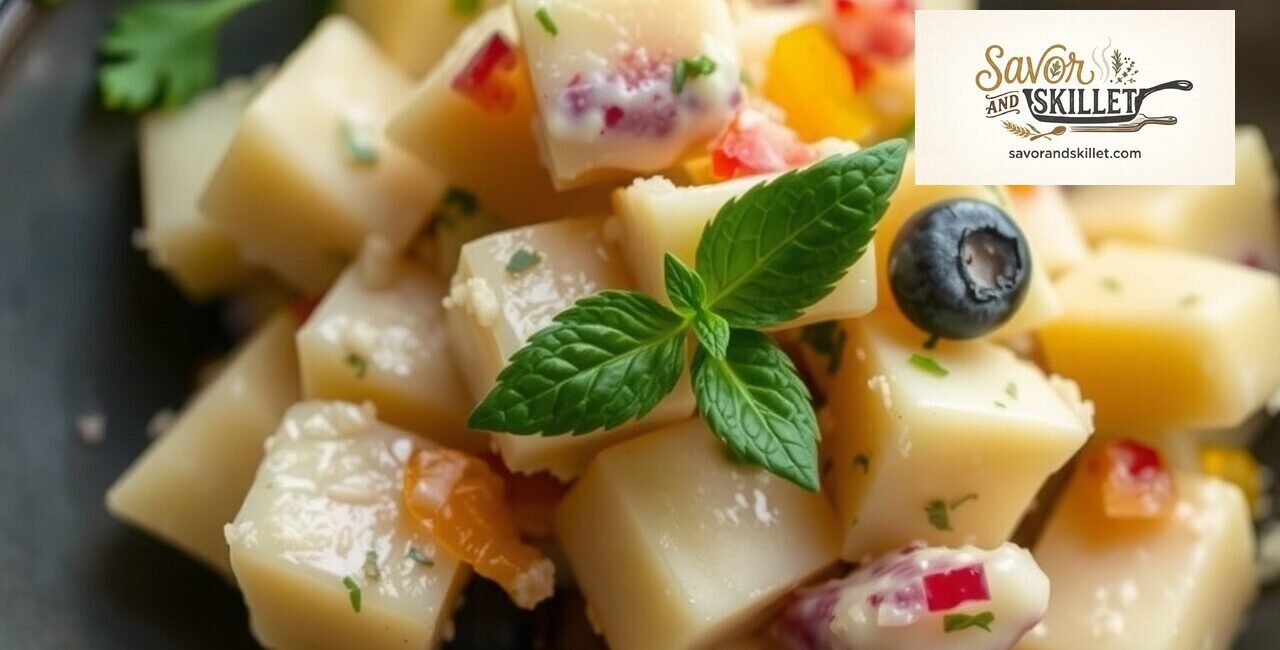
Finding the perfect side dish for a summer barbecue or a cozy family dinner can be a challenge, but mastering a classic Potato Salad is a game-changer for any home cook. As we head into the 2026 culinary season, this timeless dish remains a staple for its creamy texture, savory depth, and versatility. Whether you are looking for an easy potato salad recipe that leans on traditional mayonnaise-based flavors or something with a bit more zest, understanding the core technique is the secret to success. Here at Savor and Skillet, we believe that with the right approach, anyone can elevate this simple dish into the star of the table.
Also Read: How to Make Blueberry Pancakes: Recipe and Instructions
What Exactly Is Potato Salad?
Potato Salad is a versatile side dish typically consisting of boiled potatoes combined with a creamy or vinaigrette-based dressing, herbs, and aromatics. Its flavor profile balances the starchy, neutral base of the potato with tangy, salty, and savory elements, offering a satisfying texture that is both hearty and refreshing.
Understanding why this dish is worth making comes down to its incredible adaptability. By 2026 standards, the best version of this dish relies on balancing the texture of the potatoes—ensuring they are tender but hold their shape—with a dressing that coats each bite perfectly. It is a fundamental skill in American cuisine that provides a reliable, crowd-pleasing anchor for a variety of proteins, from grilled meats to vegetarian entrees.
Ingredients and Preparation Requirements
Now that we have defined what makes a great salad, let’s look at the specific components required to build your own. Preparation is key to ensuring the best results, so organize your workspace before you begin.
Recipe Overview
- Servings: 8-10 people
- Prep Time: 20 minutes
- Cook Time: 20 minutes
- Total Time: 40 minutes (plus chilling time)
- Difficulty: Beginner
Required Ingredients
- 3 pounds Yukon Gold potatoes (preferred for their buttery texture)
- 1 cup high-quality mayonnaise
- 2 tablespoons yellow mustard or Dijon
- 3 stalks celery, finely diced
- 1/2 cup red onion, finely minced
- 4 hard-boiled eggs, peeled and chopped
- 1/4 cup sweet pickle relish (optional, for sweetness)
- 1 teaspoon apple cider vinegar
- Salt and black pepper to taste
- Fresh parsley or chives for garnish
When selecting your ingredients, consider the starch content of the potato. Yukon Golds are generally considered the “gold standard” because they hold their shape well after boiling. If you are substituting with Russets, be aware that they are much starchier and may break down into a mash if overcooked. For those looking for dietary modifications, you can use a vegan mayonnaise or swap the eggs for extra crisp vegetables like radishes to add a peppery bite.
How to Make Potato Salad
Since you now have your ingredients prepped and ready, it is time to move on to the actual cooking process. Follow these steps carefully to achieve the perfect texture and flavor balance.
- Boil the Potatoes: Scrub the potatoes thoroughly. If they are medium-sized, cut them into uniform 1-inch cubes. Place them in a large pot and cover with cold, salted water by at least an inch. Bring to a boil over medium-high heat. Once boiling, reduce to a simmer and cook for 12–15 minutes. The potatoes are done when a fork slides into the center with no resistance, but they are not falling apart.
- Drain and Cool: Drain the potatoes in a colander. Let them steam dry for 5 minutes in the colander—this step is crucial to prevent the salad from becoming watery. If you want to stop the cooking process immediately, you can spread them on a sheet pan to cool to room temperature.
- Prepare the Dressing: In a medium mixing bowl, whisk together the mayonnaise, mustard, apple cider vinegar, salt, and black pepper. Taste the dressing; it should be slightly over-seasoned as the potatoes will absorb much of the flavor.
- Combine: In a large mixing bowl, combine the cooled potatoes, diced celery, minced red onion, and chopped hard-boiled eggs. Pour the dressing over the mixture.
- Fold Gently: Using a rubber spatula, fold the ingredients together gently. Avoid aggressive stirring, which can turn your salad into mashed potatoes.
- Chill: Cover and refrigerate for at least two hours. This is essential for the flavors to meld. According to 2026 food safety guidelines from the USDA, always ensure the salad is kept at or below 40°F until serving.
This potato-based dish is definitely a favorite for so many people, isn’t it? Well, to make sure yours tastes just as good as the ones sold by the pros, check out the cooking tutorial video that Savor and Skillet has included below!
Chef Tips for the Best Results
With the cooking process under your belt, it is time to discuss the nuanced techniques that separate a basic bowl from a restaurant-quality dish. Achieving the right consistency is often the part where most home cooks run into trouble.
One common mistake is adding the dressing while the potatoes are still piping hot. This causes the starch to absorb the mayonnaise too quickly, resulting in a heavy, clumpy mess. Always wait until the potatoes are at least room temperature. Another technique to consider is adding a splash of pickle juice or vinegar to the potatoes while they are still slightly warm; this allows the acid to penetrate the potato flesh, resulting in a much more flavorful final product. If you find your salad looks a bit dry after chilling, a small spoonful of sour cream or an extra dollop of mayonnaise can restore that creamy mouthfeel just before serving.
Common Mistakes and How to Fix Them
After covering the proper techniques for temperature and folding, the obvious next question is: what do you do when something goes wrong? Don’t worry—most common issues are easily rectifiable.
If you find that your potatoes have become too soft, don’t panic. Gently stir in more crunchy elements like celery or diced cucumber to add back the necessary texture. If the salad tastes bland, it usually needs more acid, not just more salt. A half-teaspoon of white vinegar or lemon juice can brighten up the flavors immediately. Remember, Savor and Skillet always recommends tasting as you go. If you over-salted, you can try adding a small amount of extra diced potato or even a bit of plain Greek yogurt to help dilute the sodium content and bring balance back to the bowl.
Serving, Storage, and Variations
We have unpacked the technical side of cooking, so here is where it gets really interesting: how to customize and store your creation. Whether you are prepping for a picnic or a weeknight side, handling your food correctly is vital.
For serving, presentation goes a long way. Top your bowl with fresh chives, a dusting of paprika, or even a few thin slices of radish for color. For storage, keep the salad in an airtight container in the coldest part of your refrigerator. It generally stays fresh for 3 to 4 days. Avoid freezing, as the mayonnaise will separate and the texture of the potatoes will turn mealy. If you want to experiment with variations, try adding crispy bacon bits for a smoky flavor, or incorporate fresh dill and mustard seeds for a “German-style” twist that skips the heavy mayo in favor of a tangy vinaigrette.
Frequently Asked Questions About Potato Salad
Since we have covered the basics and advanced tips, it is time to address the most common inquiries we receive regarding this dish.
Should I peel the potatoes before boiling?
It depends on your preference, but leaving the skins on provides a rustic texture and additional fiber. If you choose to leave them on, ensure you scrub them thoroughly under cold water before boiling.
Can I make potato salad ahead of time?
Yes, in fact, it is often better after it sits. Preparing it 12 to 24 hours in advance allows the flavors to deepen, making it a perfect dish to make the day before an event.
What is the best type of potato to use?
Yukon Gold potatoes are the best choice because they maintain their shape well while providing a creamy, buttery interior. Avoid Russets unless you are intentionally aiming for a softer, more mash-like salad.
How do I prevent the salad from becoming watery?
The secret is to let the potatoes steam dry after boiling and ensure they are completely cool before adding the dressing. Excess surface moisture is the main culprit behind a watery salad.
Is it safe to leave potato salad out at a picnic?
Food safety is paramount; do not leave the salad out of the refrigerator for more than two hours. In temperatures above 90°F, this window is reduced to one hour to prevent bacterial growth.
Conclusion
We just unpacked the essential techniques for creating a perfect potato salad, from the boiling process to the final seasoning. By following these steps and keeping our 2026 safety and storage guidelines in mind, you are well on your way to mastering this classic dish. It is a rewarding process that simplifies your meal planning while delivering consistent, delicious results. Now that you have the knowledge, why not try this recipe for your next gathering? You will quickly see why a homemade version beats anything store-bought every time. Don’t forget to keep exploring more recipes on Savor and Skillet as you build your culinary confidence!


Coleslaw Recipe: How to Make It Step by Step
Broccoli Salad Recipe: How to Make It

No Comment! Be the first one.