





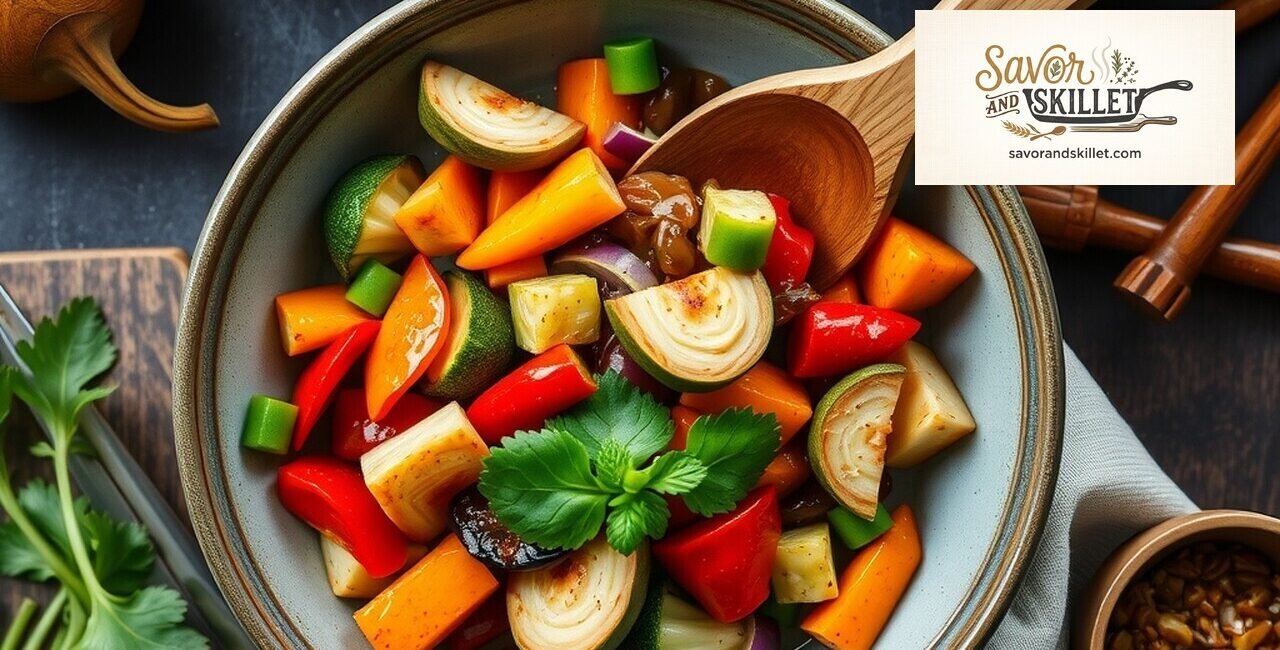
Finding a reliable vegetable stir fry with a balanced homemade sauce recipe can be a challenge for home cooks who are tired of store-bought glazes that are either too salty or strangely sweet. Mastering this dish is a fundamental skill for anyone looking to bring restaurant-quality Asian-inspired flavors into their kitchen. When you learn how to master a vegetable stir fry with a balanced homemade sauce recipe, you unlock a versatile dinner template that is as nutritious as it is quick to prepare. By 2026, many home cooks have shifted toward prioritizing fresh produce and clean ingredients, making this plant-forward approach more popular than ever. Let’s walk through the exact steps to create a meal that balances umami, sweetness, and acidity perfectly.
Also Read: Classic Spaghetti Carbonara Without Scrambled Eggs
What is a vegetable stir fry with a balanced homemade sauce?
A vegetable stir fry with a balanced homemade sauce recipe is a high-heat cooking method where fresh, crisp vegetables are quickly tossed in a wok or skillet with a savory emulsion of soy sauce, aromatics, sweetener, and thickening agents. This dish is characterized by its vibrant color, varying textures, and a harmonious sauce profile that coats the ingredients without pooling at the bottom of the plate, providing a savory depth that elevates simple garden staples into a complete, satisfying meal.
Ingredients and Mise en Place
Before you turn on the burner, getting your ingredients prepped—a process known as mise en place—is essential because stir-frying happens in a matter of minutes. Here is the breakdown for a standard batch.
Servings: 4
Prep Time: 15 minutes
Cook Time: 8 minutes
Total Time: 23 minutes
Difficulty: Intermediate
The Vegetables and Aromatics
- 2 cups broccoli florets (cut into bite-sized pieces)
- 1 large red bell pepper (sliced into thin strips)
- 2 medium carrots (julienned or sliced into thin rounds)
- 1 cup snap peas (trimmed)
- 1 tablespoon ginger, freshly minced
- 3 cloves garlic, thinly sliced
- 2 stalks green onion, chopped (separate whites and greens)
The Balanced Stir-Fry Sauce
- 1/3 cup low-sodium soy sauce (or tamari for gluten-free)
- 1 tablespoon toasted sesame oil
- 1 tablespoon rice vinegar
- 1 tablespoon brown sugar or honey
- 1 teaspoon chili garlic sauce or sriracha (optional, adjust to preference)
- 1 teaspoon cornstarch mixed with 1 tablespoon cold water (the slurry)
Chef’s Note: Always ensure your vegetables are sliced into uniform sizes to guarantee even cooking. If you find yourself struggling with burning garlic, remember to add your aromatics only when the vegetables are halfway cooked, as ginger and garlic can turn bitter if exposed to high heat for too long.
How to Make Vegetable Stir Fry with a Balanced Homemade Sauce
Now that you have your mise en place organized, let’s move on to the actual cooking process. Stir-frying relies on high heat and rapid movement to maintain the structural integrity of your vegetables.
- Prepare the Sauce: In a small bowl, whisk together the soy sauce, sesame oil, rice vinegar, brown sugar, and chili garlic sauce. Set this aside. Keep your cornstarch slurry in a separate small container near the stove, as it tends to settle at the bottom.
- Heat the Wok: Place a large wok or a heavy-bottomed stainless steel skillet over medium-high heat. Add 1 tablespoon of neutral oil, such as grapeseed or avocado oil. Once the oil begins to shimmer but not smoke, add the broccoli and carrots. Stir constantly for 3 minutes. If the pan seems dry, add a splash of water and cover for 60 seconds to steam-cook the broccoli to a vibrant green state.
- Add Aromatics and Remaining Vegetables: Add the bell peppers and snap peas. Continue to stir-fry for another 2 minutes. The bell peppers should remain slightly crisp. Now, toss in the garlic, ginger, and the white parts of the green onions. Cook for 30–60 seconds, or until the aromatics are fragrant.
- The Emulsion Phase: Give your sauce mixture a quick stir to ensure the sugar is dissolved, then pour it over the vegetables in the pan. The sauce will bubble aggressively. Immediately stir in your cornstarch slurry.
- Final Toss: Continue tossing the vegetables for another 60 seconds. The sauce will transform from a thin liquid into a glossy, thick glaze that clings to the vegetables. Once the sauce coats everything evenly, remove the pan from the heat immediately to prevent overcooking.
- Serving: Garnish with the reserved green onion tops and a sprinkle of toasted sesame seeds. Serve immediately over steamed jasmine rice or quinoa.
Hey if you want to make Vegetable Stir Fry so easy, there won’t be A LOT ON YOUR PLATE. I also find a video for you, check it out below guys:
Mastering Chef Techniques for Home Kitchens
With the cooking process now clear, let’s discuss why technique matters just as much as the ingredients themselves. According to culinary experts at Serious Eats, the secret to a professional-grade stir fry lies in managing moisture levels and heat intensity. If you crowd your pan, you end up steaming the vegetables rather than frying them, resulting in a mushy texture rather than a crisp-tender one.
In my experience, the “splash of water” technique mentioned in the step-by-step instructions is the most efficient approach for home cooks who lack industrial-grade wok burners. It mimics the steam-fry effect required for tougher vegetables like broccoli. If you skip this section and just throw everything in at once, you might find that your garlic burns while your broccoli remains raw—don’t say I didn’t warn you!
Common Mistakes and How to Fix Them
After covering the technical side of heat management, the obvious next question is: what if something goes wrong? Most people hit a wall when their sauce breaks or their vegetables turn gray. If your sauce is too thin, resist the urge to add more cornstarch directly to the pan, as it will clump. Instead, pull the pan off the heat, whisk the slurry in a separate spoon with a little sauce from the pan, then re-incorporate it.
If you find that your dish lacks depth, ensure you aren’t using a high-sodium soy sauce. In 2026, many chefs are favoring low-sodium options to maintain better control over the final salt profile. Furthermore, ensure your sesame oil is “toasted.” Regular sesame oil lacks the nutty, roasted fragrance that gives a stir fry its characteristic “takeout” aroma.
Serving, Storage, and Reheating
Since you now understand the mechanics of cooking and troubleshooting, here’s how storage and reheating connect—and why it matters just as much for food safety. Vegetable stir-fry is best consumed fresh, but if you have leftovers, store them in an airtight glass container in the refrigerator for up to three days.
When reheating, avoid the microwave if possible, as it will cause the vegetables to lose their remaining crispness. I recommend a quick toss in a hot skillet with a tiny teaspoon of oil. This restores the glaze and gives the vegetables a fresh, vibrant finish. Always ensure the internal temperature reaches at least 165°F (74°C) if the dish contained any protein, though for vegetable-only versions, simply heating until steaming is sufficient for quality.
Variations to Keep Things Interesting
Building on the foundation of the base recipe, the vegetable stir fry with a balanced homemade sauce recipe is infinitely customizable. For a protein boost, you can add seared tofu cubes, shrimp, or thinly sliced chicken breast. If you prefer more crunch, consider adding water chestnuts or sliced baby corn, which provide a satisfying contrast to the softer snap peas.
At Savor and Skillet, we often experiment with seasonal produce. In the summer, try adding zucchini or snap peas; in the winter, bok choy and shiitake mushrooms work beautifully. The key is to keep the sauce ratios consistent while adjusting the cooking times for the density of the vegetables you choose.
Frequently Asked Questions About vegetable stir fry with a balanced homemade sauce recipe
Can I make this recipe gluten-free?
Yes, you can easily make this recipe gluten-free by substituting the soy sauce with tamari or coconut aminos. Ensure that your other ingredients, particularly chili sauces, are certified gluten-free as well, as some brands include wheat-based thickeners.
How do I prevent my vegetables from getting mushy?
To avoid mushy vegetables, use high heat and cook the ingredients in batches if your pan is small. Adding the sauce at the very end and serving immediately ensures the vegetables retain their “snap” and bright colors.
What is the best type of oil for stir-frying?
The best oils for stir-frying have a high smoke point, such as grapeseed, avocado, or peanut oil. Avoid using extra virgin olive oil or butter, as they will burn quickly under the high heat required for a proper stir-fry.
Can I double this recipe for a crowd?
While possible, doubling the recipe can often lead to overcrowding the pan, which results in steaming instead of frying. If you are cooking for a large group, I recommend stir-frying in two separate batches to maintain the texture and flavor profile.
How long does the homemade sauce last?
The sauce can be made ahead of time and stored in a sealed jar in the refrigerator for up to one week. Give it a good shake or whisk before adding it to the pan, as the cornstarch will settle at the bottom during storage.
Conclusion
We just unpacked the essentials of a perfect vegetable stir fry with a balanced homemade sauce recipe—now here’s where it gets really interesting: the experimentation. Whether you’re a seasoned home chef or just starting your journey, the key is keeping your mise en place ready and managing your heat levels with confidence. By following these steps, you’ll be able to recreate that signature, glossy, umami-rich stir fry any night of the week. Try this right after reading—you’ll understand immediately why a homemade sauce makes all the difference! As we look toward the culinary trends of 2026, remember that simple, fresh ingredients handled with care are the ultimate luxury in your kitchen. If you enjoyed this guide, be sure to bookmark Savor and Skillet for more expert cooking techniques and fresh recipes.

Other Articles

How Chinese, Japanese, Korean, Thai, and Vietnamese Flavors Differ
Chicken Tinga for Tacos, Bowls, and Meal Prep

No Comment! Be the first one.