



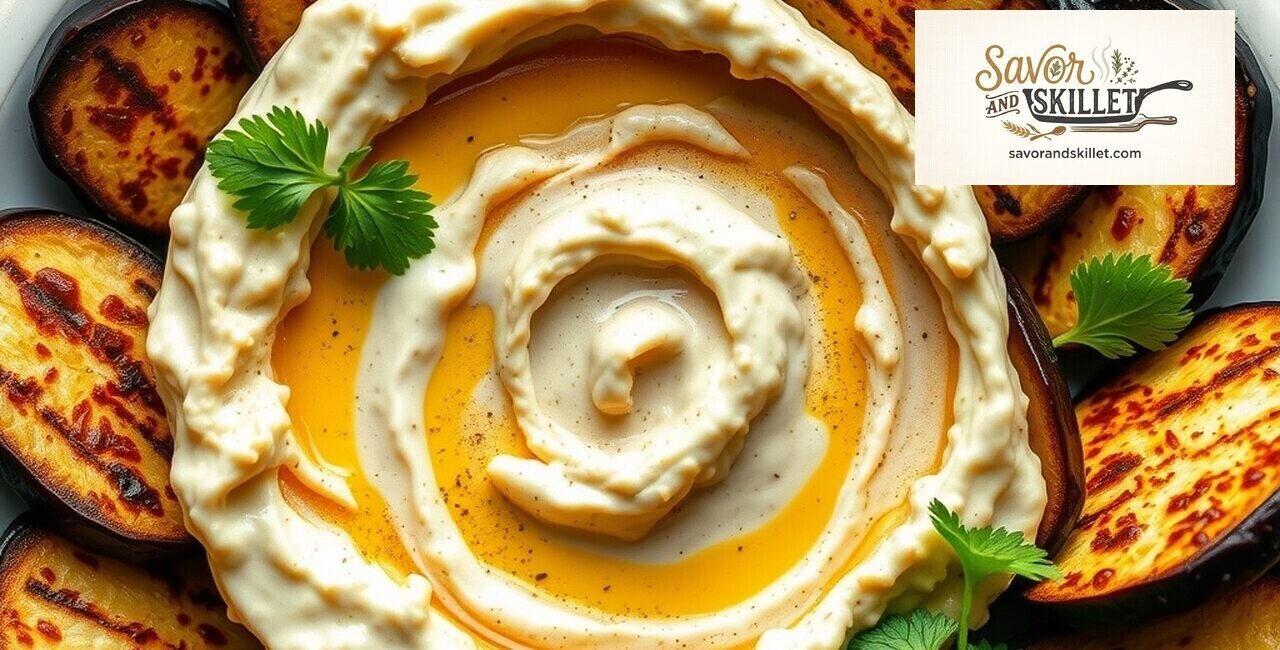
If you have ever found yourself craving an appetizer that perfectly balances deep, roasted earthiness with a bright, silky finish, you are in the right place. Creating the perfect baba ganoush with smoky eggplant is a rite of passage for any home cook looking to elevate their mezze platter. In this guide for 2026, we break down the science of achieving that iconic charred flavor without needing a charcoal grill, ensuring your results are restaurant-quality every time. Whether you are hosting a dinner party or just want a nutritious, protein-rich snack, mastering this baba ganoush with smoky eggplant recipe will change the way you view garden-variety produce.
Also Read: Easy Vegetable Stir-Fry with a Balanced Homemade Sauce
What is Baba Ganoush?

Baba ganoush with smoky eggplant is a traditional Levantine appetizer made primarily of roasted or charred eggplant, tahini, lemon juice, garlic, and olive oil. The hallmark of an exceptional version is its signature smoky depth—often achieved by blistering the eggplant skins—paired with a luxuriously creamy, velvety texture that works beautifully as a dip or a spread.
The flavor profile is sophisticated, characterized by the umami-rich char of the eggplant, the nutty bitterness of high-quality tahini, and the sharp, acidic snap of fresh lemon juice. Unlike other vegetable dips, it relies on the physical transformation of the eggplant flesh through high-heat cooking to achieve its characteristic consistency. As we navigate culinary trends in 2026, many chefs are returning to this classic, emphasizing the importance of high-quality ingredients and patience during the roasting process to unlock complex flavor notes.
Ingredients and Preparation Overview
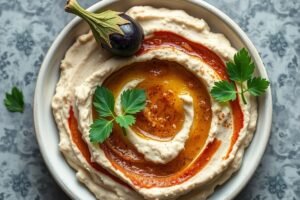
Now that we have established what makes a truly authentic dip, let’s look at the components you will need to prepare this easy baba ganoush with smoky eggplant. To ensure your kitchen workflow remains seamless, I have organized the essentials into the following structure.
Recipe Summary
- Yields: 4–6 servings
- Prep Time: 15 minutes
- Cook Time: 45 minutes
- Total Time: 1 hour
- Difficulty: Intermediate
Core Ingredients
- Eggplant: 2 large globe eggplants (approx. 1.5 lbs each). Choose ones that feel firm and heavy for their size.
- Tahini: 1/3 cup, preferably a high-quality, runny Mediterranean-style tahini.
- Lemon: 3 tablespoons fresh lemon juice (about 1 medium lemon).
- Garlic: 2 cloves, minced or pressed. For a milder flavor, roast the garlic alongside the eggplant.
- Extra Virgin Olive Oil: 3 tablespoons for the mixture, plus extra for drizzling.
- Seasoning: 1 teaspoon sea salt (adjust to taste) and a pinch of ground cumin for earthiness.
- Garnish: Fresh parsley, smoked paprika, or pomegranate seeds.
For equipment, you will need a baking sheet, a sharp chef’s knife, a large mixing bowl, and a sturdy fork or potato masher. I generally advise against using a food processor if you prefer a rustic, chunky texture, but a pulse-blend works if you are short on time. For further tips on sourcing fresh produce, you can browse our guide on selecting the best seasonal vegetables.
How to Make Baba Ganoush with Smoky Eggplant
Since you now have your ingredients prepped and your tools ready, it is time to move on to the actual cooking process. Achieving the perfect smoky profile is all about how you manage the heat during the initial roasting phase.
- Charring the Eggplant: Preheat your oven to 450°F (230°C) or set your gas stove flame to medium-high. Prick the eggplants in several places with a fork to prevent them from bursting. If using the oven, place them directly on the rack with a baking sheet underneath to catch any drips. Roast for 40–45 minutes, turning occasionally, until the skins are blackened, papery, and the flesh inside feels completely soft and collapsed.
- Draining the Liquid: Once roasted, transfer the eggplants to a colander set over a bowl. Slice them open lengthwise and let them drain for at least 15–20 minutes. This is a crucial step; if you skip it, your dip will turn out watery and thin.
- Scooping the Flesh: Using a spoon, scoop out the soft, smoky flesh, discarding the charred skin. Ensure you do not scrape too close to the tough stem or you may accidentally include bitter bits of the calyx.
- Incorporating Aromatics: In your mixing bowl, mash the eggplant flesh with the garlic and salt until a rough paste forms. Adding the garlic at this stage ensures the sharp bite mellows into the eggplant.
- Emulsifying the Dip: Slowly whisk in the tahini, lemon juice, and olive oil. Continue stirring until the mixture transforms from a light brown mash into a pale, creamy, and aerated dip. Taste and add more salt or lemon if needed.
- Plating and Serving: Spread the baba ganoush onto a shallow plate, creating a decorative swirl with the back of a spoon. Drizzle generously with high-quality olive oil and sprinkle with smoked paprika or fresh parsley to finish.
BBC Maestro is also love this food, you can watch their videos Smoky Baba Ganoush below:
Chef Techniques for Superior Texture
After following the steps above, the natural next question involves how to refine the consistency, which is exactly why we need to discuss proper emulsification and heat management. Even a professional kitchen relies on specific techniques to ensure how to make baba ganoush with smoky eggplant that keeps everyone coming back for more.
The secret to that “melt-in-your-mouth” texture is the aeration process in step five. When you whip the tahini and lemon juice into the eggplant, you are essentially creating an emulsion. If the tahini looks “seized” or clumpy initially, do not panic—this is normal. Just add a tablespoon of ice-cold water while whisking; the emulsion will stabilize, and the dip will become incredibly fluffy. Mirdania always suggests testing the temperature of your eggplant before adding the tahini; if the eggplant is still steaming hot, it may cause the tahini to split, so allow it to reach room temperature first.
Common Mistakes and How to Fix Them
With those professional techniques in mind, let’s address the hurdles that frequently trip up home cooks when they attempt this best baba ganoush with smoky eggplant recipe. It is incredibly easy to hit a wall when the flavor or texture isn’t quite right, but most issues are easily reversible.
The most common error is leaving the eggplant too “wet.” If you find your dip is too thin, you can rescue it by stirring in an extra tablespoon of tahini or, alternatively, by thickening it with a small amount of Greek yogurt. Another mistake is forgetting to adjust the salt; because eggplant is quite neutral, it requires more seasoning than you might expect. Always taste as you go. According to 2026 culinary standards, balance is key—if it tastes too acidic, add a drop of honey or maple syrup to counter the sharpness of the lemon juice.
Variations to Keep Things Fresh
Since we have just unpacked the troubleshooting process, here is where it gets really interesting: how to customize your base recipe. While the classic version is iconic, you can experiment with flavors to suit your specific palate.
Try adding a teaspoon of Aleppo pepper for a subtle, fruity heat that pairs beautifully with the smoky notes of the eggplant. For a brighter finish, stir in finely chopped fresh mint or cilantro right before serving. Some of my colleagues at Savor and Skillet like to toast pine nuts in a small pan until golden and sprinkle them over the top for a crunch that contrasts perfectly with the creamy dip. If you are serving this for a 2026 summer brunch, consider adding pomegranate molasses for a tangy, syrupy depth that makes the dish pop visually and on the tongue.
Frequently Asked Questions About Baba Ganoush with Smoky Eggplant
Why is my baba ganoush bitter?
Bitter baba ganoush usually results from over-processing the eggplant or using inferior, older tahini. Ensure you are not scraping the bitter skin too aggressively, and try a different brand of tahini if the flavor remains off-putting.
Can I make this dish ahead of time?
Yes, in fact, the flavors often deepen after sitting in the refrigerator for a few hours. Keep it in an airtight container for up to three days, though it is best enjoyed at room temperature.
Do I have to roast the eggplant on an open flame?
While an open flame provides the most authentic “campire” smoke, roasting at high heat in the oven is perfectly acceptable for 2026 home kitchens. If you miss the smoke, a tiny pinch of smoked paprika can mimic the aroma.
Is it possible to freeze leftover baba ganoush?
Freezing is not recommended because the texture of the eggplant and the emulsion of the tahini will break down upon thawing. It is best to prepare only what you plan to eat within a few days.
What should I serve with baba ganoush?
Classic pairings include warm pita bread, crisp cucumber slices, radishes, and bell pepper strips. It also functions as a fantastic spread for wraps or a side for grilled proteins like chicken skewers.
Conclusion
We just unpacked the essential techniques for creating an exceptional baba ganoush with smoky eggplant, covering everything from the importance of draining the moisture to the art of balancing your emulsified ingredients. By focusing on the quality of your roast and the timing of your additions, you can easily replicate this classic dish in your own kitchen throughout 2026 and beyond.
Remember that the best part about this recipe is its versatility—it adapts to your taste preferences while remaining a staple of healthy, plant-forward eating. If you enjoyed this guide, I invite you to try it this weekend; you will immediately understand why it is a perennial favorite. Don’t forget to visit our archive at Savor and Skillet for more mezze inspiration and other kitchen-tested favorites!

Other Articles

Classic French Toast with Crispy Edges and a Soft Center
Moist Chocolate Cake with Easy Homemade Frosting

No Comment! Be the first one.