





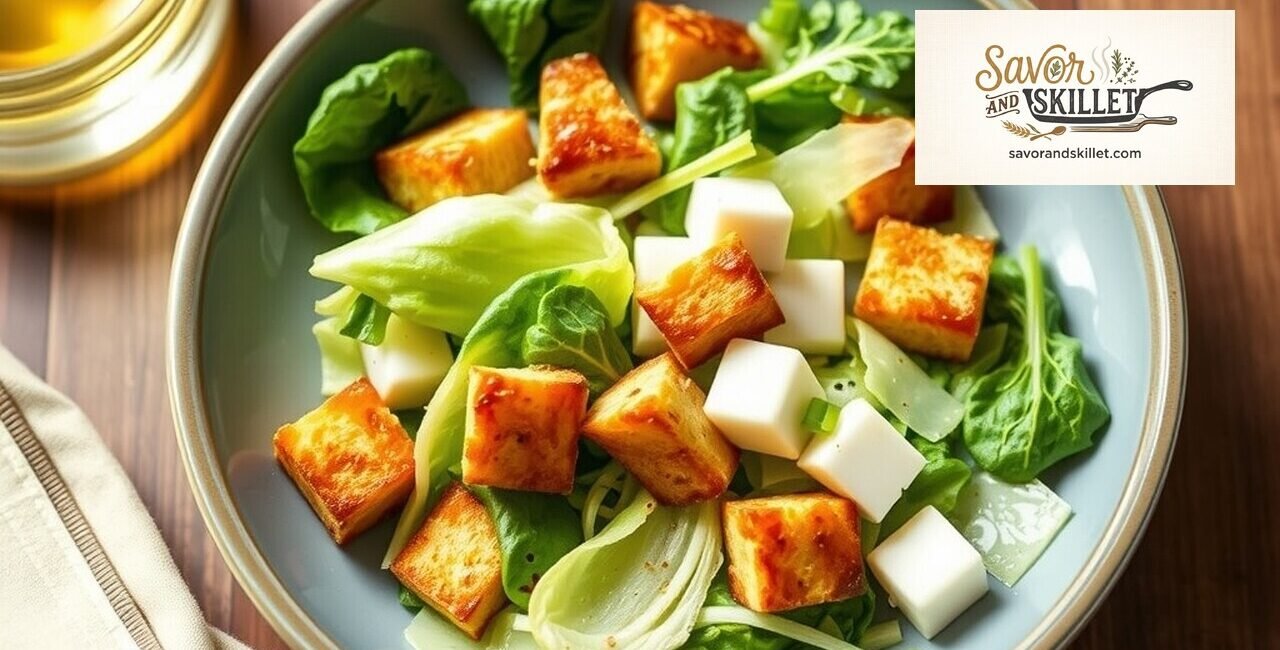
Finding the perfect Caesar Salad is a culinary milestone for any home cook, whether you are preparing for a simple weeknight meal or an elegant dinner party in 2026. A truly great version of this dish hinges on the balance of crisp romaine, a sharp, emulsified dressing, and the savory crunch of toasted croutons. If you have been searching for an easy Caesar salad recipe that delivers restaurant-quality results every single time, you have come to the right place. At Savor and Skillet, we believe that mastering the fundamentals—like properly emulsifying your dressing and ensuring your greens are completely dry—is the secret to elevating this classic. Let’s walk through the steps to assemble a salad that hits every note perfectly.
Also Read: Buttermilk Pancakes Recipe: How to Make It
Understanding the Caesar Salad Profile

Caesar Salad is a timeless American culinary staple consisting of crisp romaine lettuce hearts tossed in a pungent, creamy, and savory dressing made from garlic, anchovies, egg yolks, lemon juice, and Parmesan cheese. It is defined by the tension between the refreshing crunch of the greens and the rich, umami-forward emulsion that coats every leaf, making it a globally recognized benchmark for balanced flavor profiles.
When you prepare a Caesar, you are engaging with a specific tradition of textures. The success of the dish relies heavily on the quality of the emulsion. If the dressing is too thin, it slides off the lettuce; if it is too thick, it weighs down the leaves, turning a crisp experience into a wilted one. By focusing on high-quality ingredients—especially authentic Parmigiano-Reggiano and fresh, high-quality olive oil—you ensure that the final result remains bright and sharp rather than overly heavy or oily. As we look at the requirements for the best Caesar salad recipe, the goal is always consistent, repeatable quality.
Ingredients and Preparation Requirements

Recipe Overview
| Servings | 4 |
| Prep Time | 20 minutes |
| Cook Time | 10 minutes |
| Total Time | 30 minutes |
| Difficulty | Intermediate |
To begin, gathering the right components is critical. You cannot achieve the signature depth of flavor without the proper building blocks. According to 2026 kitchen standards, sourcing fresh, room-temperature eggs is vital for a safe and stable emulsion.
- Romaine Lettuce: 2 large heads, washed and thoroughly dried.
- Garlic: 3 cloves, minced into a fine paste.
- Anchovy Fillets: 4-6 fillets, packed in oil, finely minced.
- Egg Yolks: 2 large, room temperature.
- Lemon Juice: 2 tablespoons, freshly squeezed.
- Dijon Mustard: 1 teaspoon, acts as an emulsifier.
- Olive Oil: 3/4 cup (a blend of extra virgin and neutral oil works best).
- Parmigiano-Reggiano: 1/2 cup, finely grated, plus extra for shaving.
- Croutons: 2 cups, homemade preferred (stale sourdough works perfectly).
- Black Pepper: Freshly cracked to taste.
Equipment-wise, ensure you have a large mixing bowl, a whisk, and a sharp chef’s knife. If you prefer, a food processor can expedite the process, but the manual whisking method provides better control over the texture of the emulsion. Note that because this recipe utilizes raw egg yolks, food safety experts recommend using pasteurized eggs to mitigate potential risks associated with raw consumption.
How to Make Caesar Salad
Now that we have organized our ingredients and understood the importance of the emulsion, let’s move on to the actual assembly — the process of creating the most flavorful Caesar salad possible. Follow these steps carefully to ensure your final dish is restaurant-standard.
- Prepare the Croutons: Preheat your oven to 375°F (190°C). Toss cubed sourdough with olive oil, salt, and a pinch of garlic powder. Spread them on a baking sheet and toast for 10-12 minutes, or until deep golden brown and crunchy. Remove and let them cool completely; they will crisp further as they sit.
- Create the Garlic-Anchovy Base: On a cutting board, sprinkle a pinch of salt over your minced garlic and anchovies. Using the flat side of your knife, drag it across the mixture repeatedly until it turns into a smooth, cohesive paste. This step is crucial, as large chunks of garlic or anchovy can be jarring in the dressing.
- Emulsify the Dressing: In a large mixing bowl, whisk together the egg yolks, lemon juice, Dijon mustard, and the garlic-anchovy paste. Whisk vigorously for about 1 minute until the mixture is pale and slightly thickened.
- Add the Oil: While whisking constantly, begin adding the oil a few drops at a time. The mixture will begin to thicken as the oil incorporates. Once you have added about 1/4 of the oil and the dressing is stable, you can pour the remaining oil in a very thin, steady stream while continuing to whisk. If the dressing becomes too thick, thin it with a teaspoon of warm water.
- Finish the Dressing: Stir in the grated Parmigiano-Reggiano and a generous amount of freshly cracked black pepper. Taste and adjust the acidity with a few drops more of lemon juice if needed.
- Toss the Greens: Ensure your romaine leaves are dry—moisture is the enemy of a crisp salad. Tear the leaves into bite-sized pieces. Place them into the bowl with the dressing and toss gently using salad tongs or your hands until every leaf is evenly coated with a thin, glossy layer of dressing.
- Final Assembly: Add the cooled croutons just before serving to maintain their crunch. Garnish with large shavings of Parmesan cheese and an extra crack of black pepper. Serve immediately.
Lately, I’ve been sharing more healthy recipes on Savor and Skillet. Not only am I following a healthy diet myself, but I also want to encourage all of you to adopt healthier eating habits. Rest assured, these recipes are still delicious and provide plenty of energy to fuel your daily activities!
To make it even easier to try them out, I’ve included a full video cooking tutorial below:
Chef Techniques for Consistent Results
With the step-by-step instructions for the dressing and assembly behind us, it is time to look at the professional techniques that separate a home-cooked salad from a professional one. Achieving the “best Caesar salad recipe” status is largely about managing the variables in your workflow.
One of the most common pitfalls I see is underestimating the importance of drying your greens. If you use a salad spinner and leave even a little water on the lettuce, the dressing will slide off instantly, leaving you with a watery, diluted flavor. I always recommend washing your lettuce at least an hour before serving and wrapping it in a clean kitchen towel to ensure it is bone-dry. Another technical point to consider is the temperature of your ingredients. While we keep eggs at room temperature, some chefs prefer keeping their oil slightly chilled to help the emulsion set quickly. Experiment with these nuances; you will find that small adjustments in technique lead to significant improvements in the final mouthfeel of the dressing.
Common Mistakes and How to Fix Them
Since you now understand the fundamental techniques behind crafting the perfect emulsion and preparing your greens, let’s discuss how to troubleshoot common issues — and why avoiding these errors matters just as much as getting the steps right.
The most frequent issue is a broken dressing. If your oil and yolks refuse to combine, do not throw it away! You can “fix” a broken emulsion by placing a fresh egg yolk in a clean bowl and slowly whisking the broken dressing into the new yolk, drop by drop, just as you would add oil. It acts as a reset button. Additionally, if your salad feels too heavy, it is often because of too much oil or not enough acidity. If you find yourself in this situation, a squeeze of fresh lemon juice or even a splash of red wine vinegar can cut through the richness and reset the balance of the dish. Remember that food safety is paramount; never leave a raw-egg dressing out at room temperature for longer than two hours.
Frequently Asked Questions About Caesar Salad
What is the secret to a thick Caesar dressing?
The secret to a thick, creamy Caesar dressing is the slow, steady incorporation of oil into the egg yolk and mustard base. By whisking constantly while adding oil drop-by-drop, you create a stable emulsion that thickens naturally without needing extra fillers.
Can I make Caesar dressing without raw eggs?
Yes, you can substitute raw eggs with high-quality mayonnaise, which is itself a pre-made emulsion of oil and egg. Simply whisk the garlic, anchovy, lemon juice, and Parmesan into 1/2 cup of mayonnaise for a safer, quicker, and very similar result.
How do I keep my Caesar salad crunchy for longer?
The key to maintaining crunch is to keep your croutons separate from the dressed salad until the very last second. Never toss the croutons in the dressing until you are ready to plate, and ensure the lettuce is completely dry before adding the dressing.
What are the best substitutions for anchovies?
If you prefer not to use anchovies, you can substitute them with a teaspoon of Worcestershire sauce or capers mashed into a paste. Both provide that essential “umami” saltiness that the original recipe requires to balance the richness of the cheese.
How long can I store leftover Caesar salad?
Technically, a dressed Caesar salad does not store well, as the leaves will wilt quickly and become soggy. It is best to store the dressing and the greens separately; the dressing will keep for up to three days in an airtight container in the refrigerator.
Conclusion
After navigating the technical aspects of emulsification and the importance of ingredient prep in our FAQ section, it is clear that a great Caesar salad is more than just throwing items into a bowl. It is an exercise in balance and timing. By keeping your greens dry, mastering the slow addition of your oils, and focusing on high-quality Parmesan and fresh aromatics, you can achieve a result that rivals any bistro. As we continue to refine our kitchen skills throughout 2026, I encourage you to try this recipe, experiment with the ratios, and see how simple tweaks to the garlic-to-anchovy balance change the profile to match your preferences. We love hearing how your kitchen projects turn out here at Savor and Skillet—so try this assembly right after reading, and you will understand immediately why this classic remains the gold standard of the salad world!

Other Articles

Waldorf Salad Recipe: How to Make It
How to Make Wedge Salad: Recipe and Instructions

No Comment! Be the first one.