




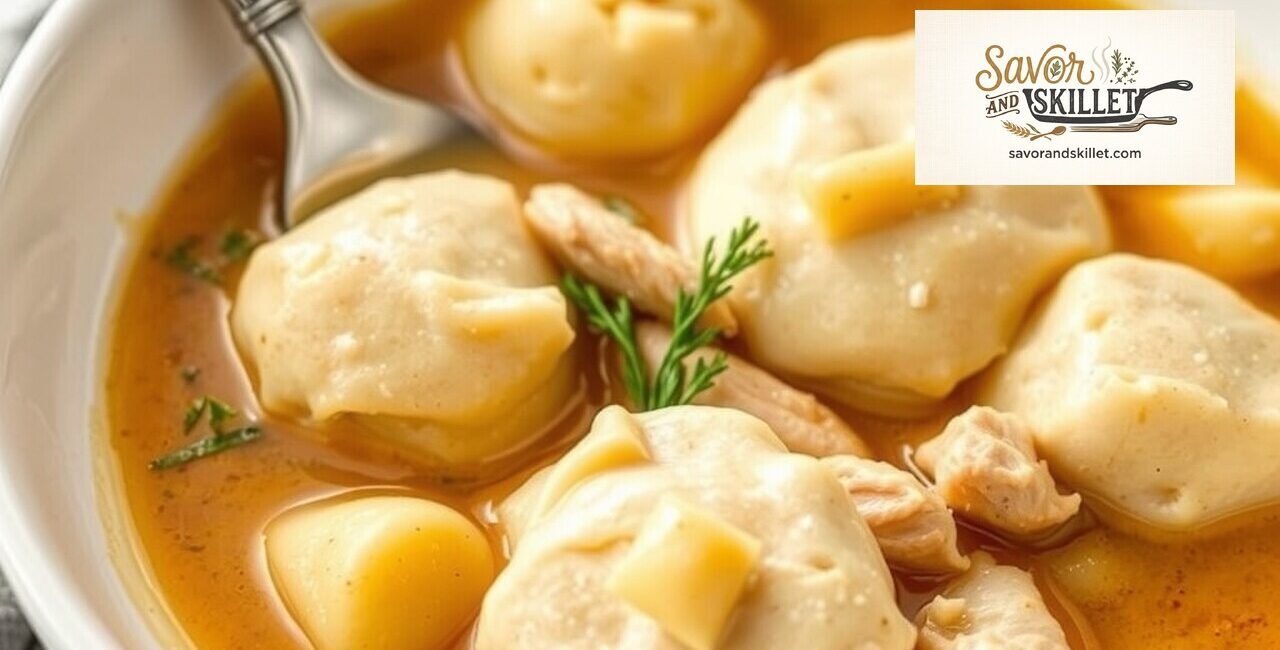
There’s something uniquely comforting about a warm, hearty bowl of Chicken and Dumplings. As we look towards making our kitchens even more efficient and enjoyable in 2026, this classic dish remains a timeless favorite, perfect for chilly evenings or a gathering with loved ones. Imagine tender, succulent chicken pieces nestled in a rich, savory broth, topped with fluffy, pillowy dumplings that practically melt in your mouth. This isn’t just a meal; it’s a hug in a bowl, a testament to simple ingredients coming together to create something truly extraordinary. If you’re a home cook seeking a dish that delivers maximum flavor and comfort with approachable steps, you’ve found your next culinary adventure. Mirdania understands the appeal of dishes that feel both special and straightforward, and this recipe delivers on both fronts.
Also Read: Buttermilk Pancakes Recipe: How to Make It
What is Chicken and Dumplings?
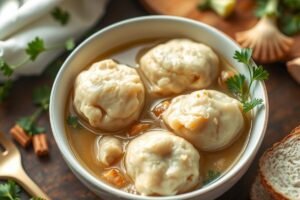
Chicken and Dumplings is a traditional, rustic American dish featuring tender chicken cooked in a rich, savory broth, typically thickened slightly, and topped with soft, doughy dumplings that cook directly in the stew. The flavor profile is deeply savory and herbaceous, with a creamy mouthfeel from the broth and a delightful textural contrast from the pillowy, absorbent dumplings. It’s worth making for its unparalleled comfort, the satisfying warmth it provides, and its ability to turn simple pantry staples into a nourishing and profoundly satisfying meal.
Ingredients for the Perfect Chicken and Dumplings

Since you now understand the comforting essence of Chicken and Dumplings, let’s turn our attention to the foundational elements: the ingredients. Crafting this dish begins with selecting quality components, and here at Savor and Skillet, we believe clear guidance makes all the difference. While the ingredient list might seem simple, each item plays a crucial role in developing the deep flavors and satisfying textures that define this classic.
Chicken and Dumplings
- Yields: 6-8 servings
- Prep time: 25 minutes
- Cook time: 45-60 minutes
- Total time: 70-85 minutes
- Difficulty: Easy to Medium
Equipment:
- Large Dutch oven (6-quart or larger) or heavy-bottomed pot
- Large mixing bowl
- Whisk
- Cutting board and sharp knife
- Measuring cups and spoons
Ingredients:
For the Stew:
- 2 tbsp unsalted butter
- 1 tbsp olive oil
- 2 lbs boneless, skinless chicken thighs, cut into 1-inch pieces
- 1 large yellow onion, chopped
- 2 carrots, peeled and diced
- 2 celery stalks, diced
- 2 cloves garlic, minced
- 8 cups low-sodium chicken broth
- 1 tsp dried thyme
- 1 bay leaf
- ½ tsp black pepper
- ½ tsp salt, plus more to taste
- ½ cup frozen peas (optional)
- ¼ cup fresh parsley, chopped (for garnish)
For the Dumplings:
- 2 cups all-purpose flour, plus more for dusting
- 1 tbsp baking powder
- ½ tsp salt
- 4 tbsp cold unsalted butter, cut into small cubes
- ¾ cup milk (whole or 2%)
Ingredient Notes and Substitutions:
- Chicken: While boneless, skinless thighs offer the most flavor and stay tender, you can use boneless, skinless chicken breasts. Adjust cooking time slightly to prevent drying them out. For an even richer broth, you could start with bone-in, skin-on chicken pieces, cook them in the broth, remove them to cool, then debone and shred the meat, discarding skin and bones, before adding back to the stew.
- Vegetables: Feel free to customize. A mix of bell peppers, corn, or green beans can also work. If using frozen vegetables like corn or green beans, add them towards the end of the cooking process to maintain texture.
- Broth: Homemade chicken broth will always yield the best results, but a good quality store-bought low-sodium broth is perfectly acceptable. You can enhance its richness with a chicken bouillon cube or two if needed.
- Dumplings: For gluten-free dumplings, you can experiment with a 1:1 gluten-free all-purpose flour blend, though the texture might vary slightly. For a dairy-free option, use plant-based milk and butter substitutes.
- Thickener: This recipe relies on the slight natural thickening from the flour on the chicken and the dumplings themselves. If you prefer a thicker stew, you can whisk 2 tablespoons of cornstarch with 1/4 cup of cold water and stir it into the simmering broth before adding the dumplings.
How to Make Chicken and Dumplings: A Step-by-Step Guide
With our ingredients prepped and ready, building on that foundation, let’s dive into the core of how to make Chicken and Dumplings. This process, while seemingly intricate, is broken down into manageable steps designed to guide you from raw ingredients to a steaming bowl of comfort. Follow these instructions carefully, and you’ll be rewarded with a dish that tastes like it took all day to make.
- Prepare Chicken and Vegetables (Mise en Place): Pat chicken thighs dry with paper towels and cut them into 1-inch pieces. Chop the onion, dice the carrots and celery, and mince the garlic. Having everything ready before you start cooking streamlines the process significantly.
- Sear the Chicken: Heat 1 tablespoon of butter and 1 tablespoon of olive oil in a large Dutch oven or heavy-bottomed pot over medium-high heat. Add the chicken pieces in a single layer, working in batches if necessary to avoid overcrowding the pot (this ensures a good sear, not steaming). Cook for 3-4 minutes per side until lightly browned. Remove the chicken from the pot and set aside, leaving any browned bits (fond) in the pot. This browning step is crucial for developing deep, savory flavor in your broth.
- Sauté Aromatics: Reduce the heat to medium. Add the remaining 1 tablespoon of butter to the pot. Add the chopped onion, carrots, and celery. Sauté for 5-7 minutes, stirring occasionally, until the vegetables begin to soften. Add the minced garlic and cook for another minute until fragrant, being careful not to burn it.
- Deglaze and Build Broth: Pour in 1 cup of the chicken broth, scraping the bottom of the pot with a wooden spoon to loosen any browned bits (this is where much of your flavor resides!). Stir in the dried thyme, bay leaf, black pepper, and salt. Add the remaining 7 cups of chicken broth. Bring the mixture to a simmer.
- Simmer Chicken: Return the seared chicken pieces to the pot. Ensure the chicken is mostly submerged. Bring the broth back to a gentle simmer, then reduce the heat to low, cover the pot, and cook for 15-20 minutes, or until the chicken is cooked through and tender. An internal temperature of 165°F (74°C) is ideal for cooked chicken, as recommended by the USDA.
- Prepare the Dumpling Dough: While the chicken simmers, prepare your dumplings. In a large mixing bowl, whisk together the 2 cups of all-purpose flour, baking powder, and ½ teaspoon of salt. Add the cold, cubed butter to the flour mixture. Using your fingertips or a pastry blender, cut the butter into the flour until the mixture resembles coarse crumbs with some pea-sized pieces of butter remaining. Gradually add ¾ cup of milk, stirring with a fork until just combined. Be careful not to overmix; a shaggy, slightly sticky dough is what you’re aiming for. Overmixing develops gluten, leading to tough dumplings.
- Drop the Dumplings: Once the chicken is cooked, remove the bay leaf from the pot. Ensure the stew is at a gentle simmer, not a rolling boil. Drop the dumpling dough by rounded tablespoons directly into the simmering broth. Leave a little space between each dumpling, as they will expand. Continue until all the dough is used.
- Cook the Dumplings: Cover the pot tightly and cook the dumplings for 15-20 minutes without lifting the lid. It’s crucial not to peek during this time, as the steam is essential for the dumplings to cook through and become light and fluffy. The dumplings are done when they are puffed up and cooked through; you can test one by carefully removing it and cutting it in half—there should be no raw dough in the center.
- Finish and Serve: Once the dumplings are cooked, gently stir in the optional frozen peas (if using) and allow them to heat through for 1-2 minutes. Shred the chicken pieces gently with two forks right in the pot, or remove them to shred then return them. Taste the stew and adjust seasoning with additional salt and pepper as needed. Garnish generously with fresh chopped parsley before serving.
Who doesn’t love chicken and dumplings? Honestly, I’m a huge fan of this recipe myself—I often make it at home while working on updates for this site. It’s the perfect meal to enjoy while watching something, relaxing, or even doing some light work at the computer. If you don’t believe me, Savor and Skillet friends, you really ought to give it a try!
For those of you who have read the post but are still unsure about the precise way to mix or cook it, I’ve included a video so you can follow along with the cooking steps. Just watch the video below:
Chef’s Tips for Fluffy Dumplings and Rich Broth
We just unpacked the step-by-step process of making this comforting dish — now here’s where it gets really interesting: learning the subtle nuances that elevate your Chicken and Dumplings from good to truly exceptional. These are the chef’s tips Mirdania shares from years of observing how home cooks create their best dishes, focusing on those perfectly fluffy dumplings and that deeply flavorful broth.
- For the Best Broth:
- Don’t Skip the Sear: Browning the chicken before adding it to the broth creates what’s called ‘fond’ on the bottom of your pot. This concentrated flavor, deglazed with broth, forms the backbone of your stew’s richness. Trust us, it’s worth the extra step!
- Quality Broth Matters: A good quality low-sodium chicken broth is a game-changer. If you have homemade, even better. Brands like Bon Appétit’s recommended chicken broths often deliver excellent depth.
- Fresh Herbs (If Possible): While dried thyme works wonderfully, a sprig of fresh thyme or a bundle of parsley added during the simmer can infuse even more vibrant flavor. Just remember to remove them before serving.
- For Perfectly Fluffy Dumplings:
- Cold Butter is Key: Just like with pie crusts, cold butter cut into small pieces prevents it from fully incorporating too quickly, creating pockets of steam that make your dumplings light and airy.
- Don’t Overmix the Dough: Mix only until the ingredients are just combined. Overworking the dough develops gluten, which leads to tough, chewy dumplings. A few lumps are perfectly fine.
- Maintain a Gentle Simmer: The broth should be gently bubbling, not at a rolling boil, when you drop the dumplings. A too-vigorous boil can break them apart.
- No Peeking!: This is perhaps the most critical rule. Once the lid is on, leave it on for the full cooking time. The steam trapped inside is essential for the dumplings to rise and cook evenly. Lifting the lid releases this crucial steam.
- Consider Your Pot: A heavy-bottomed Dutch oven, such as one from Le Creuset or Lodge, provides even heat distribution, which is ideal for simmering and cooking dumplings without scorching the bottom.
Common Mistakes and How to Fix Them
After perfecting those fluffy dumplings and rich broth, it’s natural to wonder about potential pitfalls. Since you now know the ideal techniques, let’s address some common missteps that can occur when making Chicken and Dumplings and, more importantly, how to fix them. I completely understand the frustration here — most people hit one of these walls at some point, but they are all easily overcome!
- Tough or Gummy Dumplings:
- Mistake: Overmixing the dough, using warm butter, or not cooking them long enough.
- Fix: Ensure your butter is cold and handle the dough as little as possible. Cook dumplings with the lid tightly on for the full 15-20 minutes, resisting the urge to peek. The steam is your friend!
- Bland Broth:
- Mistake: Not browning the chicken sufficiently, not deglazing the pot, or not seasoning adequately.
- Fix: Always sear your chicken for those browned bits (fond). When adding broth, scrape the bottom of the pot vigorously. Taste and adjust seasoning generously with salt and pepper throughout the cooking process, especially after adding all liquids. A pinch of poultry seasoning can also boost flavor.
- Chicken is Dry:
- Mistake: Cooking the chicken for too long or at too high a temperature.
- Fix: Boneless, skinless chicken thighs are more forgiving than breasts. If using breasts, monitor closely and remove them as soon as they reach 165°F (74°C). If you’re using bone-in chicken, ensure it’s fully cooked, but remove it from the bone to shred once it’s cool enough to handle, before adding it back to the stew.
- Stew is Too Thin or Too Thick:
- Mistake (Too Thin): Not enough natural starches, or too much liquid.
- Fix (Too Thin): If your stew is too thin, create a slurry with 1-2 tablespoons of flour or cornstarch mixed with an equal amount of cold water. Whisk it into the simmering stew a few minutes before adding dumplings, or after, and cook until thickened.
- Mistake (Too Thick): Too much flour on the chicken, or too much reduction.
- Fix (Too Thick): If the stew becomes too thick, simply stir in an extra splash of chicken broth or water until it reaches your desired consistency. Do this before adding dumplings, or if adding after, ensure the broth is hot enough to cook them.
Serving Suggestions and Delicious Pairings
After tackling common mistakes and ensuring your Chicken and Dumplings are perfected, the natural next question is: how do you best enjoy this masterpiece? This hearty dish is wonderfully complete on its own, but a few simple additions can truly enhance the experience. Serving it right is almost as important as cooking it right!
- Garnish Generously: A sprinkle of fresh, vibrant parsley chopped just before serving adds a pop of color and freshness that cuts through the richness of the stew.
- Crusty Bread: A warm, crusty loaf of bread or a batch of flaky biscuits are perfect for soaking up every last drop of that savory broth.
- Simple Green Salad: To balance the richness of the main dish, a light, crisp green salad with a bright vinaigrette dressing offers a refreshing contrast.
- Steamed Green Vegetables: A side of simply steamed broccoli, green beans, or asparagus can add a welcome touch of green and extra nutrients without overpowering the main event.
- Drink Pairing: For adult pairings, a light-bodied white wine like a Pinot Grigio or a crisp Sauvignon Blanc can complement the flavors. For a non-alcoholic option, iced tea or sparkling water with lemon would be refreshing.
Storing and Reheating Chicken and Dumplings
Once you’ve savored your delicious Chicken and Dumplings, you’ll likely have leftovers, which is often one of the best parts of a comfort meal! After covering serving suggestions, let’s make sure you know how to properly store and reheat your dish, ensuring every subsequent serving is as delightful as the first, and safe to eat.
- Storage:
- Refrigeration: Allow the Chicken and Dumplings to cool completely to room temperature (within 2 hours) before transferring it to an airtight container. It can be safely stored in the refrigerator for 3-4 days.
- Freezing: Chicken and Dumplings can be frozen, but be aware that the texture of the dumplings may change. They tend to become softer and sometimes a bit crumbly upon thawing and reheating. If you plan to freeze, it’s often best to freeze the chicken stew separately and make fresh dumplings when you’re ready to serve, or embrace the textural change. For freezing, cool completely, then transfer to freezer-safe airtight containers or heavy-duty freezer bags. It can be stored for up to 3 months.
- Reheating:
- Stovetop (Recommended): For best results, reheat leftovers gently on the stovetop. Transfer the desired portion to a saucepan and heat over low to medium-low heat, stirring occasionally, until heated through. You may need to add a splash of extra chicken broth or water to thin out the stew if it has thickened too much in the refrigerator.
- Microwave: While convenient, the microwave can sometimes make the dumplings a bit chewier. Place a single serving in a microwave-safe bowl, cover loosely, and heat in 1-2 minute intervals, stirring in between, until piping hot.
- Food Safety Note: Always ensure that leftovers are reheated to an internal temperature of 165°F (74°C) to ensure food safety, especially when dealing with chicken.
Frequently Asked Questions About Chicken and Dumplings
Building on our discussion about storing and reheating, let’s address some of the most common inquiries about this beloved dish. These are the questions Mirdania often sees home cooks asking, and getting clear answers can make all the difference in your culinary confidence and success.
What kind of chicken is best for chicken and dumplings?
Boneless, skinless chicken thighs are generally best for chicken and dumplings because they are more forgiving and remain tender and juicy even after extended simmering. Chicken breasts can also be used, but they tend to dry out more easily.
For the most flavorful broth, some cooks even start with bone-in, skin-on chicken pieces, cook them until tender, remove them to cool, then debone and shred the meat before returning it to the pot. This extracts maximum flavor from the bones, enhancing the broth’s richness.
Can I use frozen vegetables in chicken and dumplings?
Yes, absolutely! Frozen vegetables like peas, corn, or mixed vegetables can be used in chicken and dumplings, making it a convenient option. Add them towards the end of the cooking process, typically in the last 5-10 minutes, just enough time for them to heat through without becoming mushy.
Using frozen vegetables can save prep time, especially when you’re looking for an easy weeknight meal, or when you’ve ordered your ingredients conveniently through services like Instacart for quick delivery.
How do I prevent my dumplings from becoming tough?
To prevent tough dumplings, avoid overmixing the dough and ensure the butter you use is cold. Overworking the dough develops gluten, leading to a chewy, dense texture.
Mix the dry and wet ingredients only until just combined, creating a shaggy, slightly sticky dough. Also, make sure the stew is at a gentle simmer, not a rolling boil, when you drop the dumplings, and do not lift the lid during their cooking time, as the trapped steam is crucial for their light and fluffy texture.
Can I make chicken and dumplings ahead of time?
You can prepare elements of chicken and dumplings ahead of time, but it’s generally best to cook and drop the dumplings fresh just before serving. The chicken stew base can be made a day or two in advance and stored in the refrigerator.
When ready to serve, reheat the stew to a gentle simmer, then proceed with making and dropping the fresh dumpling dough. While the complete dish can be refrigerated and reheated, the dumplings’ texture may become softer and absorb more liquid, which some people don’t mind.
What’s the difference between drop dumplings and rolled dumplings?
The primary difference lies in their preparation and shape. Drop dumplings, as used in this recipe, are made from a softer dough that is simply spooned or dropped directly into the simmering stew, resulting in irregular, pillow-like shapes. They cook by steaming and simmering, becoming light and fluffy.
Rolled dumplings, on the other hand, use a stiffer dough that is rolled out flat and cut into strips or squares. These are often boiled directly in the stew, absorbing more of the broth and typically having a denser, chewier texture, sometimes preferred in specific regional variations of the dish.
Conclusion
We’ve explored everything from the core definition of this beloved dish to its serving suggestions and even answered your most pressing questions in the FAQ. It’s clear that making Chicken and Dumplings is more than just cooking; it’s an act of creating warmth and comfort in your home. This recipe, with its tender chicken, rich broth, and famously fluffy dumplings, truly embodies the essence of a hearty, soul-satisfsatisfying meal.
Don’t be intimidated by the number of steps; each one builds toward a truly rewarding culinary experience. Mirdania encourages you to roll up your sleeves and give this classic a try. Imagine yourself cozying up with a bowl of this deliciousness as we head into 2026! We at Savor and Skillet are confident that this Chicken and Dumplings recipe will become a cherished addition to your family’s rotation. Let us know how it turns out – we love hearing about your kitchen successes!

Other Articles
How to Make Beef Chili: Recipe and Instructions
Buttermilk Fried Chicken Recipe: How to Make It Step by Step
No Comment! Be the first one.