




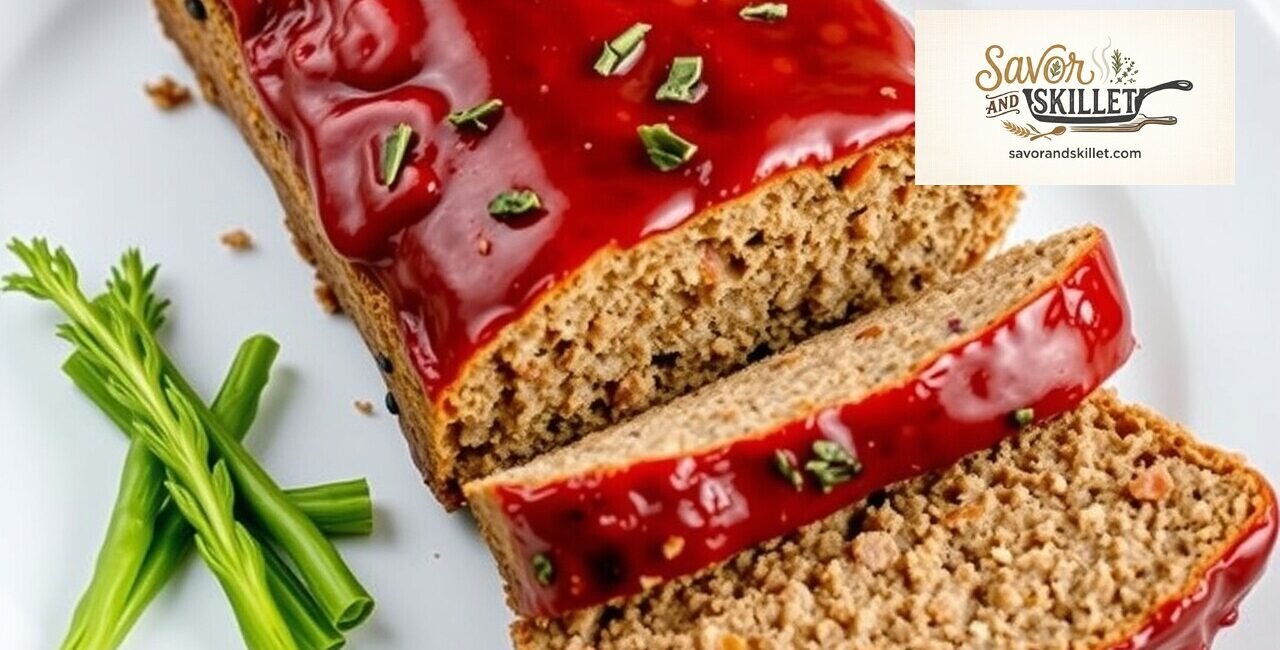
There is a specific kind of comfort found in a perfectly glazed, tender slice of Classic American Meatloaf. Whether you are preparing a Sunday dinner for the family or looking for a reliable meal prep solution, this dish remains a staple of home cooking in 2026. If you have been searching for a foolproof method to achieve that ideal balance of savory flavor and moist texture, you have come to the right place. At Savor and Skillet, we believe that understanding the science behind the crust and the binder is the key to success. Let’s walk through the steps to master this timeless recipe.
Also Read: Buttermilk Pancakes Recipe: How to Make It
What is Classic American Meatloaf?
Classic American Meatloaf is a savory, ground meat-based dish bound with breadcrumbs, eggs, and aromatics, topped with a tangy tomato-based glaze. Its profile is defined by a tender, juicy interior contrasted by a caramelized exterior. It is worth making because it transforms humble, affordable ingredients into a satisfying, high-protein meal that excels at retaining moisture when cooked properly.
Essential Ingredients and Preparation

Now that we have established what defines this dish, let’s gather the components you need for your own kitchen. Preparing the right ingredients is the most important step in ensuring a successful outcome.
Recipe Card: Classic American Meatloaf
- Yields: 8 servings
- Prep time: 20 minutes
- Cook time: 60 minutes
- Total time: 1 hour 20 minutes
- Difficulty: Easy
Ingredients:
- 2 lbs ground beef (80/20 lean-to-fat ratio recommended for moisture)
- 1 cup panko breadcrumbs
- 1/2 cup whole milk
- 1 large onion, finely diced
- 2 cloves garlic, minced
- 2 large eggs, lightly beaten
- 1/4 cup fresh parsley, chopped
- 1 tablespoon Worcestershire sauce
- 1 teaspoon salt
- 1/2 teaspoon black pepper
- For the Glaze: 1/2 cup ketchup, 2 tablespoons brown sugar, 1 tablespoon apple cider vinegar
Chef’s Tip: Using 80/20 beef is crucial. If you use extra-lean beef, the loaf can become dry and crumbly. The fat content helps carry flavor and maintains the structural integrity of the meatloaf.
How to Make Classic American Meatloaf
With your ingredients prepped and organized, it is time to move on to the actual assembly and cooking process. Follow these steps carefully to ensure the best results.
- Preheat and Prep: Preheat your oven to 375°F (190°C). Line a rimmed baking sheet with parchment paper or foil for easy cleanup.
- Soak the Binder: In a small bowl, combine the panko breadcrumbs and milk. Let this mixture sit for about 5-10 minutes. This creates a “panade,” which prevents the meat from drying out during the long bake time.
- Sauté Aromatics: In a small skillet, heat a teaspoon of oil and sauté the diced onions until translucent (about 5 minutes). Add the garlic and cook for another minute. Remove from heat and let cool slightly.
- Combine the Base: In a large mixing bowl, combine the ground beef, the soaked breadcrumbs, eggs, sautéed aromatics, parsley, Worcestershire sauce, salt, and pepper. Use your hands to gently mix until just combined—avoid overworking the meat, as this makes the texture dense and tough.
- Shape the Loaf: Transfer the mixture to your prepared baking sheet. Gently shape it into a uniform loaf, roughly 9×5 inches. Aim for a consistent thickness to ensure even cooking.
- Glaze and Bake: Mix the ketchup, brown sugar, and apple cider vinegar in a small bowl. Brush half of the glaze over the top and sides of the loaf. Place in the oven and bake for 45 minutes.
- Final Glaze: Remove the loaf, brush with the remaining glaze, and bake for another 10-15 minutes, or until the internal temperature reaches 160°F (71°C) when measured with a reliable digital meat thermometer.
- Rest: Allow the meatloaf to rest for at least 10 minutes before slicing. This allows the juices to redistribute, preventing the slices from falling apart on the plate.
Savory, tender ground meat infused with the perfect blend of spices and finished with a beautifully caramelized sweet-and-tangy glaze—Classic American Meatloaf is the ultimate comfort food, ready to satisfy your hunger and fuel your day. I’m bringing this American family favorite to Savor and Skillet so you can enjoy a juicy, flavorful, and heartwarming dish straight from your own oven.
To ensure the meat stays juicy and holds its shape when sliced, check out the baking secrets in the video tutorial I’ve included below:
Refining Your Technique: Tips for Success
Since you now understand the fundamental steps of mixing and baking, let’s dig into the nuances that separate a standard meal from a truly excellent dining experience. Most home cooks struggle with the “falling apart” issue, which is almost always a result of either skipping the resting phase or over-mixing the protein.
When working with your mixture, think of it like handling delicate cookie dough. You want the ingredients distributed evenly, but you do not want to compress the beef fibers too tightly. As noted by culinary resources like Serious Eats, handling the meat minimally keeps the final product light and tender rather than rubbery. In 2026, many home chefs are moving toward using a mix of beef and pork; incorporating one pound of ground pork alongside your beef adds a richness and depth of flavor that is truly remarkable.
Common Mistakes and How to Fix Them
After mastering the core techniques and the resting process, the obvious next question is: what about when things go wrong? Even the most experienced cooks encounter the occasional crumbly loaf or burnt glaze. If you find your meatloaf is not holding its shape, check your ratio of breadcrumbs. If you are substituting different types of binders like crackers or oats, remember that they absorb liquid differently than panko.
If the glaze starts to darken too quickly before the center is cooked, tent the top loosely with aluminum foil for the final 15 minutes of the bake. This protects the sugars in the ketchup and brown sugar from burning while the interior reaches a food-safe 160°F. If the loaf is too dense, you likely overworked the meat—keep your hands light, and mix only until the ingredients are just incorporated.
Variations and Pairing Suggestions
We just unpacked the core recipe and how to troubleshoot the most frequent issues, now here’s where it gets really interesting: how you can customize this classic to suit your specific tastes. The beauty of a Classic American Meatloaf is its role as a blank canvas.
For a deeper, smokier flavor, consider adding a teaspoon of smoked paprika or a dash of liquid smoke to the beef mixture. If you prefer a spicy kick, folding in finely minced jalapeños or a tablespoon of chipotle in adobo creates a wonderful contrast to the sweet tomato glaze. For pairings, traditional sides like creamy mashed potatoes, roasted green beans, or a crisp garden salad are perfect companions. The starchiness of the potatoes helps balance the acidity of the glaze, while the fresh greens add a necessary crispness to the meal.
Frequently Asked Questions About Classic American Meatloaf
Why does my meatloaf fall apart when I slice it?
Meatloaf usually falls apart because it hasn’t rested long enough or lacks a proper binder. Always let your meatloaf rest for 10-15 minutes after removing it from the oven to allow the juices to settle and the fats to firm up.
Can I make this recipe without eggs?
Yes, you can substitute the eggs with a “flax egg” (1 tablespoon ground flaxseed meal mixed with 3 tablespoons water) or use a little extra milk mixed with your breadcrumbs. However, keep in mind that eggs provide the best structure for the loaf.
What is the best way to reheat meatloaf?
The best way to reheat it is in the oven at 325°F with a splash of water or beef broth in the pan to maintain moisture. Avoid the microwave if possible, as it tends to make the meat rubbery and dry.
Can I freeze meatloaf before or after cooking?
You can freeze it both ways, though freezing before cooking is often better for texture. Wrap the raw shaped loaf tightly in plastic wrap and foil; when ready to cook, thaw it completely in the refrigerator before baking.
Is it necessary to use a loaf pan?
While you can use a loaf pan, cooking it on a rimmed baking sheet often results in a better crust on all sides. When using a pan, the meatloaf tends to steam in its own juices, whereas a free-standing loaf allows for more caramelization.
Conclusion
With the technique for the perfect Classic American Meatloaf now fully within your grasp, you have everything you need to bring this comforting meal to your table. We’ve covered everything from the importance of the panade to the essential resting period that ensures a perfect slice every time. Remember, the best recipes are those that you can adapt to your own taste buds—don’t be afraid to experiment with your favorite seasonings or glaze variations. If you enjoyed this guide, be sure to explore our other dinner staples here at Savor and Skillet. Happy cooking in 2026, and don’t forget to tag us when you master your next loaf!

Other Articles

Chicken Pot Pie Recipe: How to Make It
How to Make Sloppy Joes: Recipe and Instructions

No Comment! Be the first one.