





Walking through the produce section can often feel like a guessing game, especially when you are staring at a display of ripe avocados, tomatoes, and melons. It is frustrating to spend your hard-earned money on fruit that is either rock-hard or completely over-the-hill. As we navigate the grocery landscape of 2026, understanding how to select high-quality produce is a vital kitchen skill that saves both time and food waste. Let’s break this down step by step to ensure your next shopping trip is a success.
Also Read: How Chinese, Japanese, Korean, Thai, and Vietnamese Flavors Differ
The Science Behind Selecting Ripe Avocados, Tomatoes, and Melons
Ripe avocados, tomatoes, and melons is the practice of evaluating physical, aromatic, and visual indicators to ensure fruit is at its peak quality. Selecting these items relies on understanding how ethylene production and cellular structure change during the ripening process, allowing you to avoid bruised, unripe, or decaying produce in your 2026 kitchen.
When you are looking for the best produce, you are essentially acting as a detective. According to the United States Department of Agriculture, proper storage and selection can extend the shelf life of fresh produce by several days. In my view, the most common mistake home cooks make is rushing the selection process. Whether you are using a tool like a Chef’s knife for preparation or simply choosing a snack, the quality of your base ingredients dictates the outcome. Here at Savor and Skillet, we find that taking just ten extra seconds to inspect each item pays massive dividends in flavor.
Assessing Avocados Through Tactile Cues
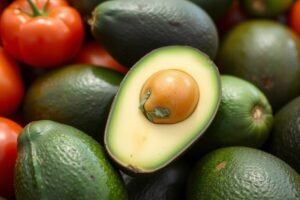
When searching for the perfect avocado, you want to avoid the “avocado rock” that refuses to yield. Gently press the stem area; if it gives slightly, the fruit is likely ready for consumption. If the skin feels mushy or leaves a deep dent, it is likely over-ripe and may have brown, stringy flesh inside. Always check the color, but remember that for Hass varieties, a dark purple-black skin is usually a reliable indicator of maturity.
Identifying Optimal Tomato Ripeness
Tomatoes are vastly different from avocados because their flavor profile depends heavily on how they were handled during shipping. I always suggest looking for a heavy, vibrant tomato with a smooth, taut skin. A subtle, earthy aroma near the stem is a sign of a high-quality, field-grown tomato. If the tomato looks glossy but lacks a “garden” scent, it was likely harvested too early and will lack depth.
Navigating Melon Varieties
Melons, such as cantaloupe or honeydew, offer a different set of challenges. A ripe melon should feel heavy for its size, which indicates high water content and juiciness. For cantaloupes, press the end opposite the stem—it should have a slight “spring” to it. If you catch a sweet, floral scent coming from the blossom end, you have likely found a winner.
Advanced Techniques for Choosing the Best Ripe Avocados, Tomatoes, and Melons
Now that we have covered the basic sensory tests for identifying quality produce, let’s dive into more advanced strategies for ensuring your ripe avocados, tomatoes, and melons perform perfectly in your recipes. While the physical cues provide a baseline, understanding the harvest cycle helps you predict which produce will be in its prime during different seasons of 2026.
Utilizing Seasonal Timing
One of the best ripe avocados, tomatoes, and melons buying guide principles is seasonality. While global supply chains like those managed by Whole Foods or Kroger allow us to find these items year-round, quality fluctuates. Tomatoes, in particular, reach their peak flavor in mid-summer. If you purchase them during the winter months, look for hydroponically grown varieties or greenhouse-ripened options that maintain consistent quality regardless of the outdoor temperature.
The Importance of Stem Integrity
Most beginners ignore the stem, but it acts as a primary entry point for mold and bacteria. For avocados, flicking off the small stem nub can reveal the interior quality; if it is bright green underneath, you have a perfect avocado. If it is brown or difficult to remove, the fruit is likely past its prime. This is a subtle nuance that turns a shopping chore into a masterclass in produce selection.
In addition to the written tutorial, the Savor and Skillet admin has also included a video. After scouring the internet, the admin found one video that serves as a perfect supplementary reference for you.
This video comes from the globally renowned YouTube channel Food Chain TV and is titled “How to choose a ripe avocado” (or “How to pick a ripe avocado”). It fits our topic perfectly—especially for those of you learning how to select a perfectly ripe avocado. Go ahead and watch the video below!
Storage and Preservation Strategies
Since you now understand the nuances of identifying peak quality in the previous section, let’s look at how to store ripe avocados, tomatoes, and melons correctly. The goal is to maximize their longevity without sacrificing the flavor profiles you worked so hard to select at the market.
Managing the Ripening Process
Once you bring your produce home, the clock starts ticking. For avocados, I recommend keeping them on the counter until they reach the desired softness. Once they are ripe, moving them to the refrigerator can pause the process for two to three days. It’s an effective “stop-gap” measure that many people forget. For tomatoes, however, the refrigerator is the enemy; cold temperatures break down the cell walls and turn the texture mealy. Always keep tomatoes at room temperature away from direct sunlight.
The Role of Ethylene Management
If you have ever wondered why some produce items spoil faster when placed together, it is due to ethylene gas. Melons, avocados, and tomatoes are all ethylene producers. If you store them in an airtight container or a crowded drawer, you are essentially force-ripening them. Keeping them in a well-ventilated space or using a dedicated produce basket is the best approach to ensure they stay fresh for as long as possible.
Culinary Applications and Preparation Tips
After covering the critical aspects of storage and shelf-life management, the obvious next question is: how can you best use your ripe avocados, tomatoes, and melons in the kitchen? From refreshing salads to savory main courses, the versatility of these ingredients is unmatched when selected at the perfect state of ripeness.
Transforming Ripe Produce into Meals
When you have perfect ingredients, the best approach is to keep the preparation simple. A ripe avocado is best served mashed on sourdough or sliced thinly over a grain bowl. Similarly, a high-quality tomato needs little more than a sprinkle of sea salt, fresh basil, and a drizzle of olive oil to shine. At Savor and Skillet, I often encourage readers to treat these ingredients as the stars of the plate rather than just components, allowing their natural sugars and textures to take center stage.
Integrating Melons in Unexpected Ways
Most people associate melons with fruit salads, but they are incredibly potent in savory applications. Using firm-ripe cantaloupe with prosciutto or grilling slices of watermelon to serve alongside feta cheese creates a complex flavor profile. This culinary flexibility highlights why learning to pick these items correctly is so important; the better the fruit, the more creative you can be with your kitchen experiments.
Frequently Asked Questions About ripe avocados, tomatoes, and melons
We just unpacked the various culinary applications and preparation techniques for these ingredients—now here is where it gets really interesting: answering the most common queries regarding ripe avocados, tomatoes, and melons.
How can I make an avocado ripen faster?
The most reliable method is to place the avocado in a paper bag with a banana or an apple for 24 to 48 hours. These fruits emit high levels of ethylene gas, which triggers the ripening process in the avocado, allowing you to use it significantly sooner than if left on the counter.
Are tomatoes considered fruit or vegetables?
Botanically speaking, tomatoes are classified as fruits because they develop from the flower of the plant and contain seeds. However, in a culinary context, they are categorized as vegetables due to their savory flavor profile and typical use in cooking rather than as a dessert ingredient.
Does the color of a melon indicate its sweetness?
The skin color of a melon is a good indicator of its variety, but not necessarily its sweetness. Instead of focusing on color, look for a waxy, textured rind that indicates the melon was allowed to fully ripen on the vine, combined with a sweet, distinct aroma at the blossom end.
How do I know if a tomato is mealy or damaged?
A mealy tomato often feels soft and slightly spongy when pressed, rather than firm and plump. If you notice a tomato has dark, sunken spots or a sour, fermented smell, it has likely begun to decompose and should be discarded to prevent it from affecting other produce.
Is it safe to eat a slightly bruised avocado?
Yes, it is safe to eat a bruised avocado, provided the bruising is limited and there are no signs of mold or rot. Simply cut away the discolored, bruised flesh and use the remaining firm, green portions for recipes like guacamole or smoothies where the texture is less critical.
Final Thoughts on Choosing Quality Produce
Building on the information provided in our FAQ section, it is clear that mastering the selection of produce is a journey of continuous improvement. By focusing on sensory cues like weight, scent, and texture, you can significantly elevate the quality of your home-cooked meals throughout 2026.
Remember that the best ingredients do not require complicated techniques—they speak for themselves. Whether you are crafting a simple summer salad or a hearty breakfast toast, identifying the peak ripeness of your produce is the foundational step for success. I hope this guide from Savor and Skillet helps you approach the produce aisle with newfound confidence. If you found these tips helpful, please share this post with a fellow home cook or leave a comment below with your own favorite trick for picking the perfect piece of fruit. See you in the next article! — Mirdania, Savor and Skillet

Other Articles

When to Buy Fresh, Frozen, or Canned Produce
How to Hold and Use a Chef’s Knife Safely

No Comment! Be the first one.