




If you have ever found yourself craving a side dish that perfectly balances a crispy, golden-brown exterior with a tender, buttery interior, you have likely encountered the Swiss culinary icon known as Rosti. Achieving that signature crunch at home can feel like a high-stakes balancing act, but with the right technique, it is entirely manageable for any home cook. In this guide, we are pulling back the curtain on how to make Rosti with professional precision, ensuring your 2026 dinner table features a side dish that stands out for all the right reasons.
Also Read: Philly Cheesesteak Recipe: How to Make It
What is Rosti?

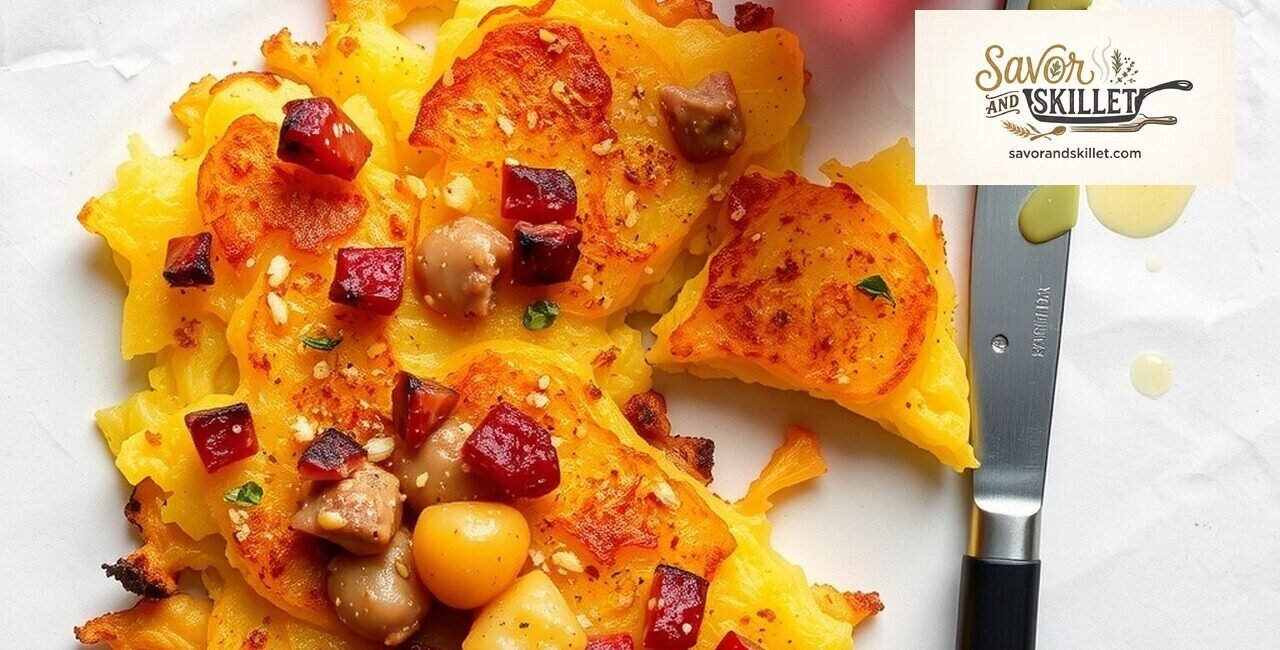
Rosti is a traditional Swiss dish consisting of coarsely grated potatoes that are pan-fried into a circular, cake-like shape until crispy and golden. Unlike hash browns, which are often shredded and fried loosely, a properly prepared Rosti forms a cohesive, dense crust that protects a soft, creamy center, offering a satisfying contrast in textures and a rich, earthy flavor profile.
Ingredients and Preparation

Before we dive into the method, let’s get your mise en place ready. A truly great Rosti relies on the starch content of the potato and the patience of the cook. Here is the breakdown for your preparation.
Recipe Details
- Servings: 4
- Prep Time: 15 minutes
- Cook Time: 30-40 minutes
- Total Time: 55 minutes
- Difficulty: Intermediate
Ingredients List
- 2 lbs (approx. 900g) Yukon Gold or Russet potatoes (starchy varieties are best)
- 1 tsp kosher salt
- 1/2 tsp freshly cracked black pepper
- 4 tbsp unsalted butter, divided
- 2 tbsp neutral high-smoke point oil (such as grapeseed or avocado oil)
- Optional: 1 small yellow onion, finely grated
For the equipment, I recommend a heavy-bottomed 10-inch cast iron skillet. The thermal mass of cast iron is essential for achieving an even, deep brown crust across the entire base of the potato cake. If you don’t have one, a high-quality non-stick pan will work, though you may find the crust slightly less uniform.
How to Make Rosti
Now that we have our ingredients gathered, it is time to turn these humble tubers into a masterpiece. Follow these steps carefully to ensure the potatoes hold together without falling apart during the flip.
- Prepare the Potatoes: Peel your potatoes and grate them using the coarse side of a box grater. If you are using an onion, grate it directly into the potato mixture.
- Remove Excess Moisture: This is the secret step. Place the grated potatoes into a clean kitchen towel and squeeze as hard as you can over the sink. You want to extract as much liquid as possible; the drier the potatoes, the crispier the final product.
- Season: Transfer the squeezed potato strands to a bowl and toss them with the salt and pepper. Do not overmix, or you will release too much starch and make the final result gummy rather than crispy.
- Initial Sear: Heat 2 tablespoons of butter and 1 tablespoon of oil in your skillet over medium-high heat. Once the butter is foaming, add the potatoes, spreading them out evenly. Press them down gently with a spatula to form a uniform disk.
- The Long Cook: Reduce the heat to medium-low. Cook undisturbed for about 15–20 minutes. You are looking for a deep, dark golden-brown color on the bottom. Occasionally rotate the pan to ensure even browning.
- The Flip: Once the edges look crisp and the center holds together, place a large flat plate over the skillet. Using a confident motion, invert the pan so the Rosti falls onto the plate. Add the remaining butter and oil to the pan, slide the Rosti back in, and cook the other side for another 15 minutes.
Grated potatoes slow-cooked in a pan until they form a super-crisp, golden-brown crust with a tender, savory, buttery interior—Rösti is a classic comfort food that is guaranteed to be addictive and provide a solid energy boost to power you through your day. I’m sharing this legendary potato recipe here on Savor and Skillet so you can enjoy that simple yet satisfying European restaurant-style deliciousness right in your own kitchen.
To ensure it turns out perfectly crispy on the outside without falling apart when flipped—while keeping the inside tender and savory—check out the secrets to making it in the video tutorial I’ve included below:
Mastering the Technique
After successfully navigating the cooking process, the obvious next question is: how do you ensure it doesn’t fall apart during that critical flip? In my experience, the failure point for most home cooks is moisture. If the potatoes aren’t squeezed dry, they will steam instead of fry, resulting in a soggy center that lacks the structural integrity to flip in one piece. If you find the potatoes are too wet even after squeezing, don’t hesitate to pat them with additional paper towels. As Savor and Skillet often emphasizes, moisture management is the cornerstone of great vegetable cookery.
Common Mistakes and How to Fix Them
Since you now understand the importance of moisture control, let’s address the common pitfalls that can derail an otherwise perfect Rosti. One frequent mistake is trying to flip the Rosti too early. If you try to invert it and the potatoes aren’t holding together, you haven’t given the starch enough time to bridge the gaps between the potato shreds. If this happens, simply slide it back into the pan, lower the heat, and give it another five minutes. Another issue is crowding the pan; keep the depth of your potatoes to about an inch. If the layer is too thick, the outside will burn before the inside is tender.
Serving and Pairing Suggestions
With the structural techniques for your potato cake mastered, we should consider how to elevate the dining experience. Rosti is remarkably versatile, acting as both a hearty side dish and a sophisticated base for toppings. In 2026, the trend has shifted toward pairing these crispy rounds with high-acid or creamy accompaniments to cut through the richness of the butter-fried potatoes. You might consider topping your finished dish with a dollop of crème fraîche and a side of smoked salmon, or perhaps a perfectly poached egg. For a more traditional route, a side of fresh chives or a light, acidic cucumber salad provides a refreshing contrast to the earthy, fried potato notes.
Variations for the Adventurous Cook
We just unpacked the serving possibilities, now here’s where it gets really interesting: how to customize the recipe itself. While the classic version is hard to beat, you can easily incorporate other flavors. For example, adding finely diced pancetta or bacon into the raw potato mixture before frying adds a savory, salty dimension that pairs beautifully with the potatoes. You might also look at authoritative resources like Serious Eats for inspiration on how different potato varieties, such as waxy potatoes, impact the texture. Remember that if you add heavy, moist ingredients like cheese or vegetables, you will need to adjust your cooking time, as the extra moisture will require a longer duration at lower heat to ensure the center cooks through.
Frequently Asked Questions About Rosti
Can I make Rosti ahead of time?
While a fresh, hot Rosti is best, you can grate and squeeze the potatoes a few hours ahead of time if you store them in the refrigerator covered with a damp paper towel. However, for the best results, assemble and cook the Rosti immediately before serving to maintain the maximum crispness of the exterior crust.
What is the best potato to use for Rosti?
Starchy potatoes like Russets or Yukon Golds are the gold standard because their high starch content helps the shreds bind together naturally. These varieties also brown more effectively than waxy potatoes, which tend to hold onto too much water and turn limp rather than crisp during the frying process.
Do I need to parboil the potatoes first?
Most traditional recipes call for using raw grated potatoes, which is the most efficient method for achieving a classic crust. Some cooks prefer to parboil the potatoes slightly to shorten the pan-frying time, but this can lead to a mushy texture if you aren’t careful; stick to the raw method for the best textural results.
Why did my Rosti burn on the outside but stay raw inside?
This usually happens because the heat was too high during the initial cooking phase. Always start with a medium-high sear to establish the crust, but promptly lower the heat to medium-low to allow the internal temperature of the potato mass to reach doneness without scorching the delicate outer layer.
How do I reheat leftover Rosti?
Reheating in a microwave will result in a soft, sad texture, so the best approach is to reheat it in a dry non-stick skillet over medium heat. Covering the pan for the first few minutes helps heat the center, while removing the lid for the final minute will restore that coveted crispy exterior.
Conclusion
We have covered everything from the essential moisture-removal techniques to the precise heat management required to create a golden, crispy masterpiece. Mastering the 2026 approach to this classic Swiss side doesn’t just improve your technical skills—it gives you a reliable, crowd-pleasing dish that elevates any meal. If you found this guide helpful, I invite you to explore more of our kitchen tutorials at Savor and Skillet. Now, grab that cast iron skillet and try this recipe tonight; you will understand immediately why it remains a timeless favorite for home cooks everywhere.

Other Articles

How to Make Swiss Bircher Muesli: Recipe and Instructions
Zurcher Geschnetzeltes Recipe: How to Make It Step by Step

No Comment! Be the first one.