






If you are looking for the ultimate comfort food that balances elegance with rustic charm, look no further than Zurcher Geschnetzeltes. This classic Swiss dish—essentially a sophisticated creamy veal ragout—is a staple in European kitchens, prized for its velvet-like sauce and tender, thin strips of meat. At Savor and Skillet, we believe that mastering this recipe is an essential skill for any home cook looking to elevate their weeknight repertoire. As we navigate the culinary landscape of 2026, understanding how to prepare this dish properly ensures you can serve a restaurant-quality meal in your own home with confidence.
Also Read: Classic American Meatloaf Recipe: How to Make It Step by Step
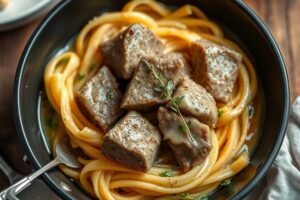
Zurcher Geschnetzeltes is a traditional Swiss dish hailing from Zurich, consisting of thin strips of veal sautéed in a rich, velvety white wine and mushroom cream sauce. Known for its melt-in-the-mouth texture, it offers a sophisticated balance of savory umami from the mushrooms and bright acidity from white wine, usually served alongside crispy rosti potatoes.
Essential Ingredients and Prep

Now that we have defined what makes this dish a true Swiss icon, let’s get down to the practical details: the ingredients you need to assemble. To make a successful Zurcher Geschnetzeltes, you need quality,, though the specific ratios are flexible. The goal is to highlight the delicate flavor of the veal while maintaining a luxurious consistency in the sauce.
Recipe Overview
- Servings: 4
- Prep Time: 15 minutes
- Cook Time: 20 minutes
- Total Time: 35 minutes
- Difficulty: Intermediate
Ingredients:
- 1.5 lbs (700g) Veal shoulder or top round, cut into 1/4-inch thick strips
- 8 oz (225g) Cremini or button mushrooms, thinly sliced
- 1 medium yellow onion, finely diced
- 1/2 cup high-quality dry white wine (such as Riesling or Pinot Grigio)
- 1 cup heavy cream (look for at least 36% butterfat for best results)
- 2 tablespoons unsalted butter
- 1 tablespoon vegetable oil
- 1 tablespoon flour (all-purpose)
- 1/2 cup veal stock or high-quality beef stock
- Salt and freshly cracked white pepper, to taste
- Fresh parsley, finely chopped for garnish
When selecting your meat, try to find top-quality veal; however, if you have trouble sourcing it, pork tenderloin can be used as a budget-friendly substitution. Remember, the “easy Zurcher Geschnetzeltes recipe” approach relies on mise en place—having everything chopped, measured, and ready before the heat is turned on, as this dish moves quickly.
How to Make Zurcher Geschnetzeltes
Since you now have your ingredients prepped and ready on the counter, it is time to move on to the actual cooking process. Following this method carefully will ensure the meat stays tender rather than becoming rubbery—a common pitfall when working with thin protein slices.
- Sear the Veal: Heat the oil and one tablespoon of butter in a large heavy-bottomed skillet over medium-high heat. Season the veal strips lightly with salt. Work in batches to avoid crowding the pan, which would cause the meat to steam instead of brown. Sear for about 2 minutes per side until lightly golden, then immediately remove to a warm plate and set aside.
- Sauté the Aromatics: In the same skillet, add the remaining butter. Toss in the diced onions and cook over medium heat until translucent and fragrant (about 3-4 minutes). Add the sliced mushrooms and cook until they have released their moisture and turned a deep golden brown, which should take roughly 5-7 minutes.
- Deglaze and Build the Base: Sprinkle the flour over the mushrooms and onions, stirring constantly for 1 minute to cook out the raw flour taste. Pour in the white wine, scraping the bottom of the pan with a wooden spoon to release the “fond”—those flavorful browned bits are essential to the depth of your sauce.
- Create the Cream Sauce: Once the wine has reduced by half, pour in the veal stock. Allow this to simmer for 3 minutes before stirring in the heavy cream. Reduce the heat to low and let the sauce thicken until it coats the back of a spoon.
- Final Assembly: Return the seared veal strips (and any accumulated juices on the plate) back into the pan. Toss gently for just 1-2 minutes to heat through. Do not overcook at this stage, or the veal will lose its signature tenderness. Adjust seasoning with white pepper and extra salt if necessary.
- Plating: Serve immediately, garnished with a generous sprinkle of fresh parsley.
Thinly sliced, tender beef and fresh mushrooms bathed in a creamy white sauce infused with white wine and savory herbs Zürcher Geschnetzeltes is a Zurich-style culinary masterpiece designed to delight your palate while fueling your day. I’m sharing this elegant classic here on Savor and Skillet so you can enjoy a savory, tender, and flavor-packed restaurant-quality dish right from your own kitchen.
To ensure the beef stays tender and juicy and the creamy sauce remains smooth and lump-free, check out the secrets to making it in the video tutorial I’ve included below:
Pro Tips for Perfect Results
With the step-by-step method under your belt, we can address some of the finer nuances that separate a good attempt from a great one. These technical tips are the result of observing traditional Swiss culinary practices, where attention to temperature control is paramount.
First, always use white pepper rather than black. It maintains the visual purity of the cream sauce. Second, if your sauce feels too thin, do not be tempted to add more flour late in the game; instead, simmer it for an extra two minutes to allow natural reduction. Conversely, if it becomes too thick, a splash of warm stock will loosen it perfectly.
When I first tried this in my own kitchen, I’ll be honest—I was confused about the timing of the veal. I learned the hard way that searing it in small batches is non-negotiable. If you dump all the meat in at once, the pan temperature drops, the juices release, and you end up with grey, stewed meat instead of beautifully seared strips. Keep your heat high and your batches small!
Common Mistakes to Avoid
Building on the foundation of our cooking technique, it is helpful to identify where most home cooks stumble when making this dish. The most common error is failing to manage the “rest” of the meat, which can lead to a chewy texture.
Another frequent issue involves the mushrooms. Many people add the mushrooms and salt at the same time; while this helps release moisture, it can also lead to soggy, grey mushrooms. I suggest waiting to salt the mushrooms until they have started to brown. This ensures they develop that rich, nutty flavor that defines a high-quality Zurcher Geschnetzeltes.
Finally, avoid using a light-colored or low-fat cream. In 2026, there are many “light” alternatives on the market, but for this specific sauce, you need the fat content of heavy cream to emulsify with the wine and stock. Anything less and the sauce may split, creating a separated, oily appearance that is far less appetizing.
Pairing and Serving Suggestions
After reviewing the common pitfalls, the natural next question is: what should we serve alongside this masterpiece? In Switzerland, the classic pairing is Rösti, a shredded potato pancake that provides a crispy, earthy contrast to the rich cream sauce.
If you prefer a lighter side, a simple green salad with a sharp vinaigrette helps cut through the richness of the cream. For those who want a more traditional experience, steamed baby carrots or sautéed green beans make an excellent, colorful accompaniment. And here is the best part—if you have leftovers, this dish keeps surprisingly well when stored in an airtight container in the refrigerator for up to 48 hours.
Frequently Asked Questions About Zurcher Geschnetzeltes
Can I use beef instead of veal for this recipe?
Yes, you can substitute thinly sliced beef tenderloin or sirloin, although the flavor profile will be bolder and the texture slightly firmer than traditional veal. Be mindful that beef strips may cook even faster than veal, so watch your timing closely to prevent the meat from becoming tough.
What is the secret to a perfect cream sauce?
The secret is reducing the white wine and stock sufficiently before adding the cream, combined with using high-quality, high-fat heavy cream. This ensures that the emulsion is stable and won’t break or look watery when the meat is added back into the pan.
How do I reheat this dish without breaking the sauce?
The best way to reheat Zurcher Geschnetzeltes is on the stovetop over low heat, stirring gently and adding a tablespoon of stock or water if the sauce has thickened too much. Avoid using the microwave, as the intense heat can cause the cream sauce to separate and the veal to overcook.
Is it necessary to use mushrooms in this recipe?
While classic recipes almost always include mushrooms, they are technically optional if you have a dietary restriction or personal preference. However, mushrooms provide a critical layer of earthiness and umami that helps balance the richness of the veal and heavy cream.
What type of white wine is best for Zurcher Geschnetzeltes?
A dry, crisp white wine like a Swiss Chasselas, a German Riesling, or an Italian Pinot Grigio works best. You want a wine with enough acidity to cut through the heavy cream, so avoid anything labeled “sweet” or “oaked,” as those will throw off the delicate balance of the dish.
We just unpacked the nuances of the cooking process—now here is where it gets really interesting: the versatility of the recipe itself. Whether you stick strictly to the traditional veal preparation or experiment with slight variations, the result is a comforting, professional-grade meal that is sure to impress. If you found this guide helpful, try this right after reading—head into the kitchen, gather your ingredients, and see for yourself how straightforward it is to master this Swiss classic. For more 2026 cooking guides and recipe inspirations, keep following the updates here at Savor and Skillet!


Rosti Recipe: How to Make It
How to Make Raclette Suisse: Recipe and Instructions

No Comment! Be the first one.