





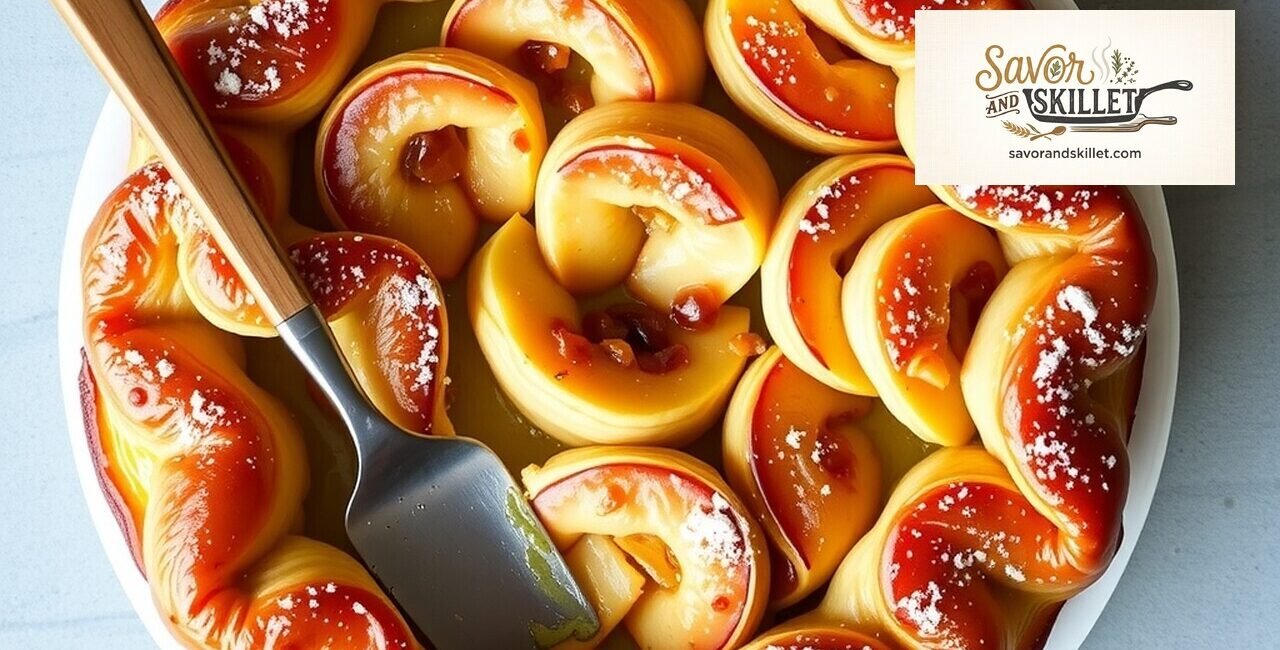
There is something undeniably timeless about the crackle of a perfectly baked pastry shell yielding to a warm, spiced apple filling. If you have ever wandered through a Viennese coffee house, you know the allure of Wiener Apfelstrudel, a dish that defines comfort for pastry lovers across the globe. Mastering this classic is a rite of passage for any home cook, and as we look toward the culinary trends of 2026, the appreciation for scratch-made, traditional desserts continues to grow. At Savor and Skillet, we believe that understanding the mechanics of dough and fruit balance is the key to success. Whether you are aiming to impress guests or simply satisfy a craving, this guide will walk you through the process of creating an authentic, golden-brown strudel in your own kitchen.
Also Read: How to Make Turkey Pot Pie: Recipe and Instructions
What is Wiener Apfelstrudel?

Wiener Apfelstrudel is a traditional Austrian dessert consisting of a paper-thin, elastic dough stretched by hand, wrapped around a sweet, tart filling of spiced apples, raisins, and toasted breadcrumbs. This iconic pastry is defined by its signature golden, flaky exterior and a tender, soft interior, providing a delicate textural contrast that makes it a sophisticated yet deeply satisfying treat to master.
In my experience, the magic of this dish lies in the thinness of the dough—it should be translucent enough to read a newspaper through, which is why it is often referred to as “windowpane” dough. While store-bought phyllo is a common shortcut, the traditional method uses an unleavened flour-and-oil-based dough that provides a much more robust, chewy foundation for the fruit. It is worth the effort to make it from scratch at least once to appreciate the structural integrity it brings to the final bake.
Ingredients and Equipment

Recipe Overview
- Servings: 8-10 slices
- Prep Time: 45 minutes
- Resting Time: 60 minutes
- Cook Time: 40 minutes
- Total Time: 2 hours 25 minutes
- Difficulty: Moderate
Before you begin assembling your ingredients, ensure you have a large, clean kitchen towel—this is essential for the rolling process. You will also need a wide work surface and a pastry brush.
For the Strudel Dough:
- 250g (approx. 2 cups) All-purpose flour or bread flour (high protein content helps elasticity)
- 120ml Warm water
- 2 tbsp Neutral oil (sunflower or grapeseed)
- 1 tsp White vinegar (helps relax the gluten)
- Pinch of salt
For the Apple Filling:
- 1kg (approx. 4-5 large) Granny Smith or Braeburn apples, peeled, cored, and thinly sliced
- 100g Granulated sugar
- 80g Raisins, soaked in dark rum (optional)
- 100g Breadcrumbs, lightly toasted in butter until golden
- 1 tsp Ground cinnamon
- 1 tsp Lemon juice and zest
- 50g Melted butter (for brushing)
Note: For the best results, use a mix of tart and sweet apples. According to standard professional kitchen practices in 2026, using high-protein bread flour significantly improves the elasticity of the dough, making it less prone to tearing during the stretching phase.
How to Make Wiener Apfelstrudel
With your ingredients prepped and ready, we can now move into the actual assembly. Since we have covered the necessary components, let’s focus on the technical process of creating the perfect Wiener Apfelstrudel.
- Prepare the Dough: In a large mixing bowl, combine the flour, water, oil, vinegar, and salt. Knead by hand or with a stand mixer on low speed for about 8-10 minutes until the dough is smooth, supple, and no longer sticks to your hands. Shape it into a ball, brush it with a little oil, cover it with a warm bowl, and let it rest for at least 60 minutes at room temperature.
- Toast the Breadcrumbs: While the dough rests, melt 2 tablespoons of butter in a skillet over medium heat. Add the breadcrumbs and stir constantly until they turn a deep golden brown. Set aside to cool.
- Prepare the Filling: In a large bowl, toss the thinly sliced apples with the sugar, cinnamon, raisins, lemon juice, and zest. Allow the mixture to sit for 15 minutes; then, if there is excess liquid, drain it slightly so the strudel does not become soggy.
- Stretch the Dough: Spread a large, floured kitchen towel on your work surface. Place the rested dough in the center and roll it out with a rolling pin as thin as possible. Now, place your hands underneath the dough, palms down, and gently use the back of your hands to stretch the dough outward from the center. Move in a circle, working toward the edges until it is paper-thin and translucent.
- Fill and Roll: Brush the dough with melted butter and sprinkle the toasted breadcrumbs over the surface, leaving a 2-inch border. Distribute the apple mixture over the breadcrumbs. Fold the edges of the dough inward, then use the kitchen towel to help you carefully roll the strudel into a tight cylinder.
- Bake: Carefully transfer the strudel to a parchment-lined baking sheet, seam side down. Brush the entire surface generously with remaining melted butter. Bake in a preheated oven at 190°C (375°F) for 35 to 40 minutes, or until the pastry is deeply golden and crisp.
Ultra-thin, crispy pastry layers wrapping a sweet-and-tart apple filling, raisins, and a sprinkling of warm, cinnamon-scented breadcrumbs—Wiener Apfelstrudel is a classic Austrian royal treat ready to delight your taste buds and provide a sweet energy boost to brighten your day. I’m sharing this legendary dessert recipe here on Savor and Skillet so you can bring the aroma of baked spices and the sensation of rich, flaky pastry straight from your own oven.
To learn how to stretch the dough until it’s paper-thin and translucent without tearing, and how to keep the apple filling from making the pastry soggy, check out the secrets in the video tutorial I’ve embedded below:
Expert Tips for Success
Since you now understand the manual stretching process, let’s tackle a few “pro-tips” that differentiate a good strudel from a masterpiece. The most common pitfall is a torn dough, but don’t let that discourage you; even experienced bakers occasionally have a small rip, which can be easily patched by folding a small piece of dough over the hole.
One trick that I’ve found indispensable is the “room temperature” rule: if your dough is cold, the gluten will be tight, and it will snap back when you try to stretch it. If you find the dough resisting, cover it and walk away for 10 minutes. This allows the gluten to relax further. Another professional technique is to ensure your apples are sliced uniformly. If some slices are too thick, they won’t soften sufficiently, leading to uneven pockets within your pastry.
Troubleshooting Common Issues
With the technique tips under your belt, we should address what happens when things don’t go exactly as planned. After covering the stretching and baking stages, the obvious next question is: what about common failures? The most frequent issue is the “soggy bottom” syndrome, which can be heartbreaking after all that hard work.
To prevent this, ensure your breadcrumbs are toasted to a deep, dark brown—not just lightly warmed. These toasted crumbs act as a moisture barrier, absorbing the juices released by the apples during the bake. Additionally, if you are using particularly juicy apples, consider tossing them with a tablespoon of cornstarch. According to culinary data from 2026, this small adjustment helps bind the juices into a stable, jam-like consistency rather than a runny liquid.
Serving and Storage
We just unpacked the troubleshooting techniques, so now here’s where it gets really interesting: how to serve and store your Wiener Apfelstrudel for the best experience. Ideally, this dish is served warm, accompanied by a generous dollop of vanilla sauce (Crème Anglaise) or a scoop of high-quality vanilla bean ice cream.
If you have leftovers, store them in an airtight container at room temperature for one day, or in the refrigerator for up to three days. To reheat, avoid the microwave, which will turn your crisp pastry into a rubbery mess. Instead, place the strudel back in a 175°C (350°F) oven for 10-15 minutes. This process restores the crunch to the exterior and brings the apple filling back to that delightful, warm consistency we all love. For more inspiration on classic European baking, check out our guide to essential baking tools.
Frequently Asked Questions About Wiener Apfelstrudel
How can I tell if my strudel dough is thin enough?
The dough is ready when it is translucent enough to see the pattern of the cloth underneath it. If you can read a newspaper headline through the dough, you have achieved the perfect thickness for an authentic finish.
Can I use store-bought puff pastry instead of traditional dough?
While you can use puff pastry for a quick shortcut, the result will be a different dish, more akin to an apple turnover. Authentic Wiener Apfelstrudel relies on the unleavened, paper-thin dough to provide a delicate crunch that doesn’t overpower the fruit filling.
What is the best type of apple for strudel?
Granny Smith apples are the gold standard because they maintain their shape during baking and offer a sharp tartness that balances the sugar. For a more complex flavor profile, you can mix in a softer, sweeter variety like Braeburn or Jonagold.
Why do my breadcrumbs need to be toasted?
Toasting the breadcrumbs in butter creates a flavor depth and a functional moisture barrier. This prevents the juices from the apples from soaking into the dough, ensuring the bottom of the strudel remains crisp rather than gummy.
Is it necessary to soak the raisins in rum?
Soaking the raisins in rum (or warm water if you prefer to avoid alcohol) plumps them up, ensuring they remain succulent inside the hot oven. It also adds a subtle aromatic depth that rounds out the spices in the apple filling.
Conclusion
We have navigated the intricacies of the dough, the balance of the filling, and the essential techniques for a perfect bake. Since we covered the serving and storage tips in the previous section, it is clear that patience is your best tool in the kitchen. Making Wiener Apfelstrudel at home is not just about following a recipe; it is about mastering a craft that has been refined over generations. As we move through 2026, I encourage you to take the time to stretch that dough by hand—you will be surprised at how meditative and rewarding the process becomes. Try this recipe this weekend, and don’t forget to serve it warm; your kitchen will smell incredible, and the result is truly a showstopper.

Other Articles

Kaiserschmarrn Recipe: How to Make It Step by Step
Sachertorte Recipe: How to Make It

No Comment! Be the first one.