





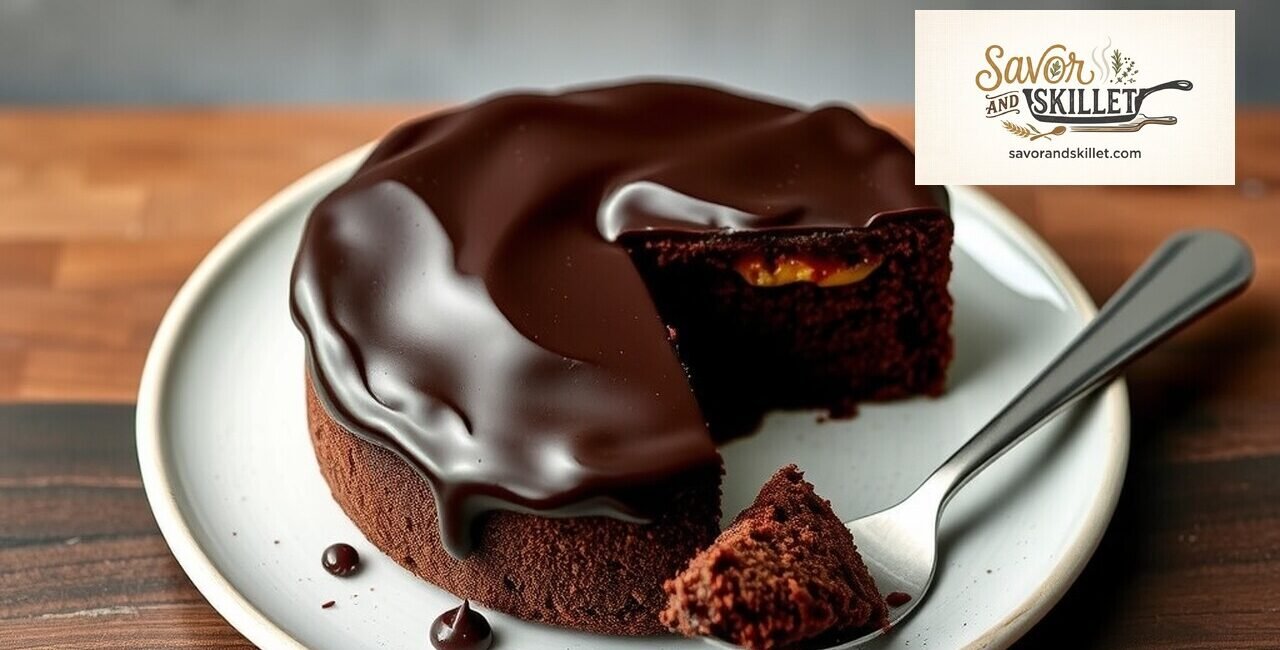
Few desserts command as much respect in the culinary world as the iconic Austrian Sachertorte. Known for its dense, indulgent chocolate sponge and a distinct, thin layer of apricot jam encased in a glossy dark chocolate ganache, this cake is the pinnacle of Viennese baking tradition. Whether you are preparing for a holiday feast in 2026 or simply looking to master a classic, learning how to make this cake at home is a rewarding journey. At Savor and Skillet, we believe that understanding the technique behind the glaze is just as important as the sponge itself. Let’s dive into the steps required to create your own Sachertorte.
Also Read: Classic American Meatloaf Recipe: How to Make It Step by Step
What Exactly is a Sachertorte?
Sachertorte is a classic Viennese chocolate cake characterized by a dense, slightly dry crumb balanced by a tart apricot jam filling and a smooth, bittersweet chocolate icing. It is distinctly different from modern, mousse-heavy chocolate cakes because it prioritizes structural integrity and the harmony between dark chocolate notes and fruit acidity, making it a sophisticated centerpiece worth every minute of the effort.
Essential Ingredients and Prep
Recipe Quick Stats
- Yields: 10-12 servings
- Prep Time: 45 minutes
- Cook Time: 50 minutes
- Total Time: 2 hours (plus cooling and setting time)
- Difficulty: Intermediate
Before we begin the baking process, ensure all your ingredients are at room temperature to guarantee a stable emulsion. For a professional-grade result in 2026, I recommend using a high-quality cocoa powder with a high fat content and a dark chocolate with at least 60% cacao solids.
- For the Sponge: 150g bittersweet chocolate (finely chopped), 150g unsalted butter (softened), 120g powdered sugar, 6 large eggs (separated), 1 tsp vanilla extract, 150g granulated sugar, 150g all-purpose flour (sifted), pinch of sea salt.
- For the Filling: 200g high-quality apricot preserves (strained to remove chunks).
- For the Glaze: 200g bittersweet chocolate, 150g granulated sugar, 125ml water.
- Equipment: 9-inch springform pan, stand mixer, offset spatula, candy thermometer.
Substitutions: If you cannot find high-quality apricot preserves, a high-percentage fruit spread works, provided it has a balanced acidity. If you are baking in a high-altitude environment, consider reducing the sugar by 10% to prevent the cake from collapsing during the cooling phase.
How to Make Sachertorte
Now that we have gathered our ingredients and calibrated our equipment, let’s begin the actual assembly and baking of this masterpiece.
- Prepare the Base: Preheat your oven to 350°F (175°C). Grease and flour your 9-inch springform pan thoroughly. Melt the 150g of bittersweet chocolate using a double boiler, then set it aside to cool until it is lukewarm to the touch.
- Creaming the Butter: In a large mixing bowl, beat the softened butter and powdered sugar until the mixture is pale and creamy, usually about 5 minutes. Incorporate the egg yolks one at a time, ensuring each is fully integrated before adding the next. Stir in the vanilla extract and the cooled melted chocolate.
- The Meringue: In a separate, scrupulously clean bowl, whip the egg whites with a pinch of salt until soft peaks form. Gradually add the granulated sugar and continue beating until the meringue is stiff and glossy—it should hold its shape firmly without being dry.
- Folding: Carefully fold one-third of the egg whites into the chocolate mixture to lighten it. Gently fold in the remaining egg whites and the sifted flour, alternating between the two. Use a silicone spatula and move with a “cut and fold” motion to maintain aeration; over-mixing here will result in a leaden, dense cake rather than a light sponge.
- Baking: Pour the batter into the prepared pan and smooth the top. Bake for 45 to 50 minutes. The cake is done when a wooden skewer inserted into the center comes out clean or with only a few moist crumbs. Allow the cake to cool in the pan for 10 minutes before transferring it to a wire rack.
A rich, tender chocolate cake layered with tangy-sweet apricot jam and perfectly enrobed in a glossy, luxurious pure chocolate glaze—the Sachertorte is a classic Austrian masterpiece designed to delight the palate while offering an elegant, sweet energy boost. I am sharing this iconic dessert recipe here on Savor and Skillet so you can enjoy that rich, sophisticated chocolate flavor combination right in your own kitchen.
To ensure the cake stays moist, the jam layer soaks in just right, and the chocolate glaze turns out perfectly smooth and glossy, take a look at the secrets behind making it in the video tutorial I’ve embedded below:
Refining the Filling and Finishing Touches
After successfully baking the sponge, the next critical phase involves layering and glazing, which defines the texture of a traditional Sachertorte. Because the sponge is intentionally dense, the application of the apricot jam acts as both a flavor enhancer and a moisture barrier.
Once the cake has cooled completely, slice it horizontally into two even layers. Warm the apricot preserves in a small saucepan until they reach a spreadable, slightly runny consistency. Spread a generous layer of the jam over the bottom half of the cake. Place the second layer on top, and then brush the sides and the top of the entire cake with the remaining warm jam. This creates a smooth surface for your glaze to adhere to. Let the cake rest for at least 30 minutes so the jam layer “sets” into the crumb.
Mastering the Mirror Glaze
Since you now understand the importance of the jam layer for texture, here is how the final mirror glaze connects—and why it matters just as much for the visual appeal of your dessert.
The traditional Sacher glaze is a boiled sugar syrup combined with chocolate, which creates a distinctively thick, smooth, and shiny finish. In a small saucepan, combine the sugar and water, boiling for about 5 minutes until it reaches a thick syrup consistency. Remove from heat and stir in the chopped chocolate until the mixture is completely smooth. Allow this to cool slightly; it should be warm but not hot, as a too-hot glaze will melt the jam layer and result in streaks. Pour the glaze over the center of the cake in one fluid motion, using an offset spatula to gently coax the excess over the sides. Do not overwork it, or you will lose the glossy sheen.
Chef Tips for Success
With the glaze now cooling and setting, these professional tips will help ensure your results are consistent every time you revisit this recipe at Savor and Skillet.
First, never skip the sifting of your flour. A Sachertorte relies on a very fine crumb, and any lumps of flour will disrupt the texture. Second, when checking for doneness, rely on the “spring-back” test: the cake should feel resilient when pressed lightly with your finger. If it leaves a dent, it needs another 3-5 minutes. Finally, remember that this cake is almost always better on the second day. Allowing it to sit at room temperature for 24 hours lets the jam and the chocolate glaze integrate fully with the sponge.
Troubleshooting Common Issues
We just unpacked the technical aspects of the bake and glaze—now here’s where it gets really interesting: how to fix common problems when things don’t go as planned.
If your glaze looks dull, it is likely because it was too cool when applied. To prevent this in the future, keep the glaze over a gentle warm water bath while you prepare the cake. If your cake dome collapsed in the center, you likely folded the egg whites too aggressively or opened the oven door before the structure had set. Always avoid opening the oven during the first 35 minutes of the baking cycle to ensure a steady temperature rise.
Frequently Asked Questions About Sachertorte
Can I make Sachertorte ahead of time?
Yes, Sachertorte is actually better when made a day in advance. The flavors meld and the texture stabilizes, making it easier to slice cleanly.
What should I serve with Sachertorte?
The traditional and most effective pairing is a generous dollop of unsweetened whipped cream (Schlagobers). The lack of sugar in the cream perfectly offsets the sweetness of the apricot jam and the intensity of the dark chocolate.
Why is my Sachertorte dry?
A traditional Sachertorte is meant to be slightly dense, but if it is unpleasantly dry, it was likely overbaked. Ensure you pull the cake from the oven the moment a skewer comes out clean, and use a high-quality, high-fat butter to ensure the crumb remains tender.
Can I use milk chocolate instead of dark?
While you technically can, it is not recommended for an authentic result. The high sugar content of milk chocolate ruins the balance between the tart apricot preserves and the chocolate, resulting in a cake that feels cloyingly sweet rather than sophisticated.
How do I store a finished Sachertorte?
Keep the cake in an airtight container at cool room temperature for up to three days. If your kitchen is particularly warm, you may store it in the refrigerator, but be sure to bring it back to room temperature before serving to ensure the glaze and crumb have the correct mouthfeel.
Conclusion
From the delicate folding of the meringue to the final pour of the glossy chocolate glaze, crafting a Sachertorte is a masterclass in balance and patience. By following these steps and keeping the cake’s unique requirements in mind, you can replicate this classic Austrian dessert in your own kitchen throughout 2026. Remember, the key to success is in the cooling time and the quality of your chocolate. We hope this guide serves you well in your culinary endeavors; for more classic recipes, explore the archives here at Savor and Skillet, and don’t forget to share your results with us on social media!

Other Articles

How to Make Wiener Apfelstrudel: Recipe and Instructions
German Apple Strudel Recipe: How to Make It Step by Step

No Comment! Be the first one.