






If you are looking for a refreshing dish that bridges the gap between a crisp afternoon snack and a sophisticated side, the classic Waldorf Salad is arguably your best choice. First appearing at the Waldorf-Astoria Hotel in the late 19th century, this timeless combination of crunchy apples, celery, and toasted walnuts remains a staple for home cooks in 2026 who value elegance without the complexity. At Savor and Skillet, we believe that understanding the balance of textures is the key to success. Whether you are prepping for a holiday gathering or a simple Tuesday lunch, let’s walk through the steps to master this iconic recipe.
Also Read: Buttermilk Pancakes Recipe: How to Make It
What Exactly Is a Waldorf Salad?
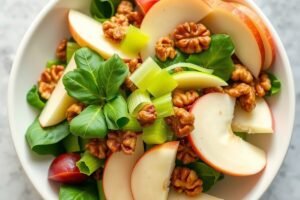
Waldorf Salad is a traditional American fruit and vegetable salad composed of fresh apples, celery, and walnuts, all bound together by a light, tangy mayonnaise-based dressing. Its signature flavor profile relies on the sharp, crisp acidity of apples contrasted against the earthy, rich crunch of toasted walnuts and the refreshing, vegetal bite of celery, creating a quintessential sweet-and-savory experience.
In my experience, the magic of this dish lies in the structural integrity of the ingredients. By keeping the fruit and vegetable components distinct yet unified by the creamy dressing, you ensure that the salad remains refreshing rather than soggy. For those of you who appreciate high-quality kitchen standards, this remains one of the most reliable salads to pull together when you need something that feels both refined and entirely approachable.
Essential Ingredients and Prep Details
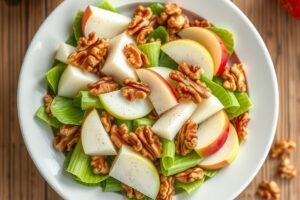
Now that we have established the flavor foundation of this dish, let’s look at the logistics required to prepare it. Creating the perfect Waldorf Salad relies on sourcing fresh, crisp produce and balancing the dressing to ensure it enhances the crunch rather than masks it.
Recipe Overview
- Yields: 4 servings
- Prep Time: 15 minutes
- Cook Time: 5 minutes (for toasting walnuts)
- Total Time: 20 minutes
- Difficulty: Easy
Ingredients
- Apples: 3 medium-sized (Granny Smith for tartness or Honeycrisp for sweetness), cored and diced into 1/2-inch cubes.
- Celery: 3 stalks, finely sliced on a bias for better texture.
- Walnuts: 1/2 cup, roughly chopped and lightly toasted.
- Grapes: 1 cup, halved (red seedless provide a great color contrast).
- Dressing: 1/2 cup high-quality mayonnaise, 1 tablespoon lemon juice (to prevent oxidation), 1 teaspoon honey or maple syrup, and a pinch of kosher salt and freshly cracked black pepper.
- Optional Garnish: Fresh parsley or thin slices of apple for presentation.
A pro tip from our kitchen at Savor and Skillet: always toast your walnuts. Whether you use a heavy-bottomed skillet over medium heat or a quick stint in a toaster oven, heating the nuts releases their natural oils and deepens their flavor. This small step differentiates a “good” salad from a professional-grade culinary creation. According to culinary best practices in 2026, acidity is your friend—ensure the lemon juice is fresh-squeezed to maintain the vibrancy of the apples.
How to Make Waldorf Salad
With your ingredients prepped and the walnuts toasted to a golden-brown perfection, we can move on to the actual assembly. The process of making a Waldorf Salad is straightforward, but the order of operations matters significantly to ensure the texture remains pristine until serving.
- Prepare the Dressing: In a small glass mixing bowl, whisk together the mayonnaise, fresh lemon juice, honey, salt, and pepper until smooth. The consistency should be pourable but thick enough to coat the back of a spoon. Taste it—if you prefer a lighter touch, you can substitute half the mayonnaise with Greek yogurt.
- Toast the Walnuts: Place the walnuts in a dry pan over medium heat. Shake the pan frequently. They are ready when they become aromatic and turn a shade darker, usually within 3 to 5 minutes. Remove from heat immediately so they do not burn.
- Combine the Solids: In a large chilled stainless steel mixing bowl, combine the diced apples, sliced celery, and halved grapes. Adding the apples and lemon juice early helps keep the fruit from turning brown due to enzymatic browning.
- Emulsify and Fold: Pour your dressing over the fruit and celery mixture. Using a rubber spatula, fold the ingredients gently. The goal is to coat every piece evenly without bruising the fruit or mashing the celery.
- Incorporate the Crunch: Add the toasted walnuts last. By folding them in at the final second, you ensure they retain their structural crunch rather than softening too much in the dressing.
- Plating: Serve immediately on a bed of fresh Boston lettuce or butter lettuce leaves for a classic presentation.
If you skip the chilling step—placing the bowl in the refrigerator for about 10 minutes before serving—don’t say I didn’t warn you! While it is delicious at room temperature, a chilled Waldorf Salad brings out the crispness of the apple skins and the snap of the celery, providing a far more satisfying mouthfeel.
Lately, I’ve been sharing quite a few healthy recipes here on Savor and Skillet—partly because I’m currently on a diet myself. I also hope you stay healthy by eating nutritious meals that provide the energy you need to get through your daily routine.
To complement the tutorial for this dish, I’ve also included a cooking video below:
Expert Tips for the Best Waldorf Salad
Since you now understand the standard method of assembly, let’s tackle the nuance of ingredient selection and technique. Even with a simple recipe, minor adjustments can elevate the result, and I completely understand the frustration of having a salad lose its “snap” before it even reaches the table.
The biggest mistake most home cooks make is using soft apples. Varieties like Red Delicious often result in a mealy texture that clashes with the creamy dressing. For the best result, opt for firm, high-acid apples like Granny Smith or Fuji. If you find the salad is getting watery, it is usually because the fruit was washed and not thoroughly dried before chopping. Use a salad spinner or a clean kitchen towel to ensure your produce is bone-dry before mixing.
According to USDA food safety guidelines, perishable items containing mayonnaise should not sit at room temperature for more than two hours. Keep this in mind if you are planning an outdoor picnic or a long-form buffet setup. If you are serving this for a party, consider keeping the salad in a bowl nested over a larger bowl filled with ice to maintain that perfect temperature.
Variations and Pairing Suggestions
After covering the technical execution and safety tips, the obvious next question is: what about variations? The beauty of the Waldorf Salad is its inherent versatility, allowing you to tweak the flavor profile based on the season or the specific protein you are pairing it with.
For a more savory profile, you can add diced rotisserie chicken or smoked turkey, effectively turning a light side into a complete main course. If you want to lean into the sweetness, try substituting the walnuts for candied pecans, or add dried cranberries for an extra pop of color. I have even seen versions that incorporate diced fennel, which pairs beautifully with the apples and adds a lovely anise-forward complexity.
In terms of pairings, this salad is traditionally served alongside roasted poultry or pork. Because the salad is creamy and sweet, it balances the saltiness of cured meats perfectly. If you are planning a lunch, a small bowl of Waldorf alongside a slice of sourdough bread and a cup of light, herbal tea makes for a sophisticated, light meal that is very popular in 2026 dining trends.
Frequently Asked Questions About Waldorf Salad
Can I make Waldorf Salad ahead of time?
Yes, but it is best to prepare the dressing and the produce separately and combine them shortly before serving. If you mix everything too early, the salt in the dressing will draw moisture out of the apples, resulting in a watery, less appealing salad.
What is the best type of apple for this salad?
The best apples are firm and crisp varieties like Granny Smith, Honeycrisp, or Pink Lady. Avoid softer apples like Red Delicious, as they will break down too quickly when mixed with the dressing.
Is Waldorf Salad healthy?
It can be part of a balanced diet as it contains fresh fruit, vegetables, and heart-healthy nuts. You can further improve the nutritional profile by using a high-quality olive oil-based mayonnaise or replacing half of the dressing with plain Greek yogurt.
What can I use instead of mayonnaise?
If you are not a fan of mayonnaise, you can use Greek yogurt, sour cream, or even a light whipped crème fraîche. Some people also enjoy a thin, lemon-based vinaigrette if they prefer a non-creamy version of the dish.
How long does this salad last in the refrigerator?
Stored in an airtight container, it will stay fresh for about 1 to 2 days. Beyond that, the fruit will begin to soften and lose its characteristic crispness, which is why we always recommend eating it as fresh as possible.
Final Thoughts
We just unpacked the technical nuances and preparation steps for the perfect Waldorf Salad—now here’s where it gets really interesting: the experimentation. Whether you stick to the classic preparation or try one of our suggested variations, the core of the experience is about celebrating crisp, fresh ingredients. I encourage you to try this recipe for your next gathering; you’ll understand immediately why this dish has stood the test of time since its inception in the late 19th century.
As we navigate through the 2026 culinary landscape, remember that the best dishes at Savor and Skillet are those that invite you to play with your food while respecting basic culinary principles. If you enjoyed this guide, consider bookmarking it for your next grocery trip. Happy cooking!

Other Articles

How to Make Ambrosia Salad: Recipe and Instructions
Caesar Salad Recipe: How to Make It Step by Step

No Comment! Be the first one.