




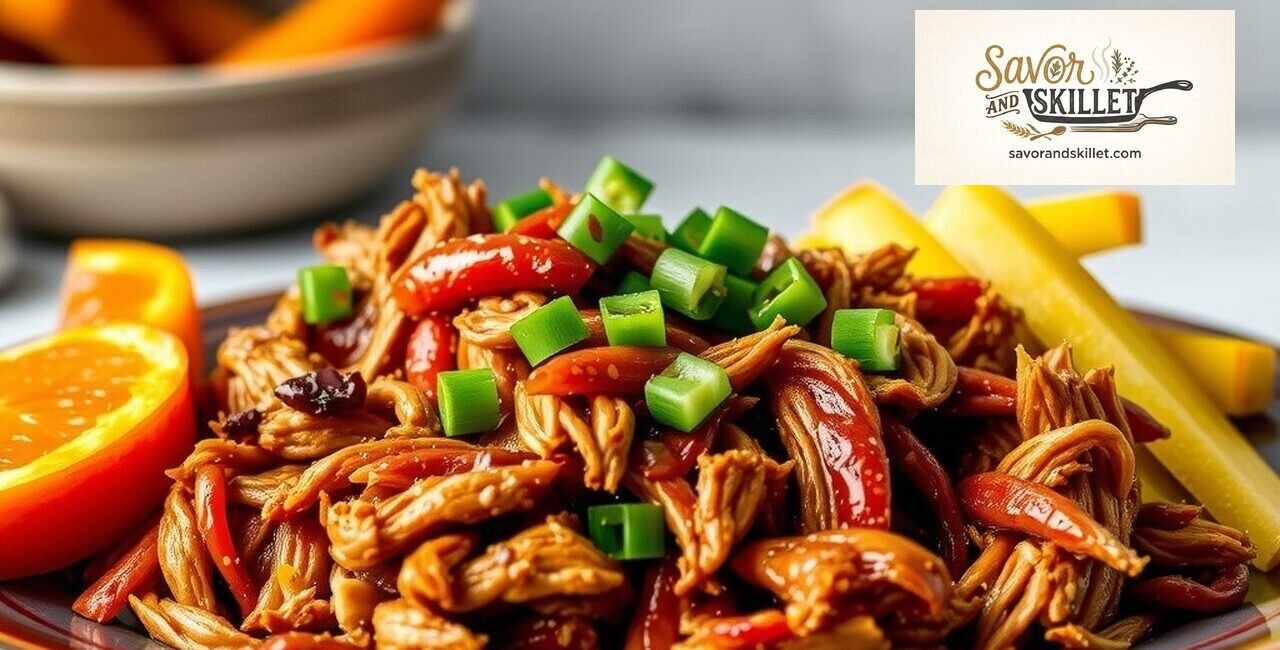
There is nothing quite like the aroma of a slow-cooked meal wafting through the kitchen, especially when that meal is a tender, vinegar-forward Carolina Pulled Pork. Whether you are hosting a summer barbecue or simply looking to master a classic, low-and-slow comfort food, this dish remains a perennial favorite for home cooks in 2026. If you are ready to elevate your culinary game, you can find our foundational guide to mastering barbecue basics at Carolina Pulled Pork. Bringing together the right balance of spices, wood smoke, and time, this method ensures a result that falls apart with the mere touch of a fork. Let’s dive into how you can bring this iconic southern staple to your own dinner table.
Also Read: Buttermilk Pancakes Recipe: How to Make It
What Exactly Is Carolina Pulled Pork?

Carolina Pulled Pork is a traditional barbecue preparation featuring a pork shoulder, or “Boston butt,” that has been dry-rubbed and slow-cooked until tender. Unlike the heavy, tomato-based sauces found in other regions, authentic Carolina-style pork relies on a signature tangy, vinegar-based mop sauce, delivering a bright, acidic contrast to the rich, fatty meat. It is worth making because this specific flavor profile cuts through the richness of the pork, resulting in a balanced, mouth-watering experience that is quintessential to traditional American barbecue.
Ingredients and Preparation

Now that we have established the flavor profile of this regional classic, it is time to gather your supplies. Use this guide to ensure your pantry is stocked for the best Carolina Pulled Pork recipe.
Recipe Overview
- Yields: 8-10 servings
- Prep Time: 20 minutes
- Cook Time: 8-10 hours
- Total Time: ~10 hours 30 minutes
- Difficulty: Intermediate
The Dry Rub
- 1/2 cup light brown sugar, packed
- 1/4 cup paprika (sweet or smoked, depending on your preference)
- 2 tablespoons kosher salt
- 1 tablespoon freshly cracked black pepper
- 1 tablespoon garlic powder
- 1 tablespoon onion powder
- 1 teaspoon cayenne pepper (adjust for heat)
The Vinegar Mop Sauce
- 2 cups apple cider vinegar
- 1 tablespoon red pepper flakes
- 1 tablespoon brown sugar
- 1 teaspoon salt
- 1 teaspoon black pepper
Note: You will need a high-quality 6 to 8-pound bone-in pork shoulder. The bone acts as a heat conductor and provides flavor, and the connective tissue in the shoulder is essential for that perfect “pull” texture. For tools, I recommend a reliable digital meat thermometer like those favored by industry professionals at ThermoWorks to monitor internal temperatures precisely.
How to Make Carolina Pulled Pork
With your ingredients prepped and your equipment ready, we can move into the actual cooking process. Achieving the right texture is a journey of patience and temperature management.
- The Mise en Place: Pat the pork shoulder dry with paper towels to ensure the rub adheres properly. In a small bowl, whisk together all dry rub ingredients. Massage the mixture generously over every inch of the pork. For the deepest flavor, cover and refrigerate for at least 4 hours, or ideally overnight.
- Preheating the Smoker: Prepare your smoker for indirect heat. You want to maintain a steady temperature between 225°F and 250°F (107°C–121°C). If you are using a charcoal smoker, oak or hickory wood chunks are standard for this style.
- The Low and Slow Roast: Place the pork fat-side up on the grill grates. Close the lid and let the meat smoke for approximately 6 to 8 hours. You are looking for the bark to become dark and crusty, but not burnt.
- Applying the Mop: Every hour after the first 3 hours, lightly spray or brush the pork with your vinegar mop sauce. This keeps the exterior moist and begins the process of seasoning the meat fibers with that characteristic Carolina tang.
- The Temperature Cue: Your pork is ready to be pulled when the internal temperature reaches 195°F to 205°F (90°C–96°C). At this stage, the meat should feel extremely soft, and the bone should wiggle easily.
- The Critical Rest: Do not skip this! Remove the pork from the smoker, wrap it in heavy-duty aluminum foil, and place it in a cooler or a cold oven (turned off) for at least 1 hour. This allows the juices to redistribute throughout the muscle fibers.
- The Pull: Using two heavy forks or meat claws, shred the pork while it is still warm. Discard the bone and any large pieces of excess fat. Toss the shredded meat with the remaining vinegar sauce for that authentic, moist finish.
Slow-cooked until incredibly tender, then drizzled with a signature Carolina-style BBQ sauce—featuring a fresh, tangy blend of vinegar and mustard—Carolina Pulled Pork is an iconic dish guaranteed to thrill your taste buds while fueling your day with a hearty energy boost. I’m sharing this authentic Southern-inspired recipe exclusively here on Savor and Skillet so you can enjoy that irresistible combination of savory, crisp, and smoky flavors right in your own kitchen.
To ensure the shredded meat stays juicy and the sauce’s tangy-savory balance permeates perfectly, check out the secrets behind making it in the video tutorial I’ve embedded below:
Mastering the Chef’s Techniques
Since you now understand the fundamental step-by-step cooking process, let’s explore the technical nuances—or “chef secrets”—that differentiate an average pork shoulder from a competition-level result.
Temperature control is the absolute cornerstone of great barbecue. In 2026, home cooks are increasingly using automated temperature controllers to maintain a rock-solid 225°F. If you notice your smoker temp spiking, do not panic; simply adjust your intake vents. Conversely, if the temperature drops too low, add a few pre-lit coals. The most common mistake beginners make is opening the lid too frequently to “check” the meat. Remember, every time you open the lid, you lose valuable heat and moisture—keep it closed as much as possible.
Another nuance is the “stall.” This happens when the pork hits roughly 150°F and stays there for a long time as moisture evaporates from the surface. While some people wrap the meat in foil at this point (a method called the “Texas Crutch”) to speed things up, purists often prefer to let it ride to maintain a deeper, crunchier bark. If you are short on time, wrapping is a valid tool, but expect a slightly softer bark.
Common Pitfalls and Troubleshooting
We just unpacked the technical nuances of smoke control and the dreaded “stall”—now here’s where it gets really interesting: avoiding common mistakes that can ruin your dinner.
If you find that your pork is tough rather than tender, it typically means it hasn’t reached the breakdown point of the collagen. Patience is your best ingredient; if the internal temperature is only 180°F, it isn’t ready to pull. Always rely on a digital thermometer, as color alone can be deceiving due to the smoke ring.
On the flip side, if the meat feels mushy or watery, it may have been over-sauced or rested for too long in an environment that was too warm. If you find your bark is bitter, ensure your wood chunks are not smoldering excessively. Clear blue smoke is what you want; thick, billowing white smoke often contains creosote, which can impart a harsh, chemical taste to the final product. Trust the process, and Savor and Skillet recommends taking notes during your first attempt so you can adjust your wood ratios next time.
Serving and Storage Suggestions
After covering the common pitfalls that can trip up even experienced home cooks, the obvious next question is: what is the best way to serve and store your masterpiece? Proper handling of leftovers is just as important as the cooking itself.
Carolina Pulled Pork is traditionally served on a soft, pillowy white bun with a side of creamy coleslaw. The crunch of the slaw against the tender, vinegary meat provides a perfect textural contrast. I personally love serving it alongside simple sides like hushpuppies or cornbread, as they soak up the excess vinegar sauce beautifully.
To store your leftovers, place them in an airtight container in the refrigerator for up to 4 days. If you need to keep it longer, vacuum-sealing the meat into portion-sized bags and freezing it is the best method; it will stay delicious for up to 3 months. When reheating, avoid the microwave, which can turn the meat rubbery. Instead, place the pork in a slow cooker or a saucepan over low heat, adding a splash of fresh vinegar or apple juice to rehydrate the meat gently.
Frequently Asked Questions About Carolina Pulled Pork
How do I know if my pulled pork is done?
The most reliable way to check for doneness is using an internal meat thermometer to reach 195°F–205°F. At this stage, the meat will be fork-tender and the bone will twist out with minimal resistance.
Can I make Carolina Pulled Pork in an oven?
Yes, you can replicate the flavor in an oven by using a small amount of liquid smoke in your rub or mop sauce. While you lose the authentic wood smoke flavor, the low-temperature roasting process at 250°F will still yield a succulent, shreddable result.
Why is Carolina sauce vinegar-based?
The vinegar-based sauce is designed to cut through the high fat content of the pork shoulder. This provides a clean, acidic brightness that balances the heavy, savory notes of the smoked meat.
Do I have to use a bone-in shoulder?
While you can use a boneless roast, the bone-in shoulder is preferred for better flavor and more even heat distribution. If you only have boneless, it will still work; just watch the internal temperature closely, as it may cook slightly faster.
How do I get a good smoke ring?
A smoke ring is a chemical reaction between the combustion gases in your wood and the proteins in the meat. Keeping the meat cold before it hits the smoker and maintaining a consistent temperature helps the smoke penetrate deeper into the surface layers.
Final Thoughts
Building on the techniques and troubleshooting we’ve covered, making the perfect Carolina Pulled Pork is an achievable goal for any home cook with a bit of patience. By respecting the “low and slow” method, utilizing the tangy vinegar mop, and allowing for proper resting time, you are ensuring a meal that will impress any guest. Remember, the goal is not perfection, but rather the delicious evolution of your personal barbecue style. As we continue through 2026, I encourage you to experiment with your wood types and spice ratios to make this dish your own. Now, fire up the smoker, prepare your rub, and enjoy the process of creating something truly special for your next gathering.

Other Articles
Texas Brisket Recipe: How to Make It
How to Make Kansas City Style Ribs: Recipe and Instructions

No Comment! Be the first one.