






Achieving that perfect, melt-in-your-mouth tenderness of an authentic Texas Brisket is the holy grail for many backyard pitmasters. In 2026, the pursuit of the ideal bark and smoke ring remains a craft that balances patience with precise temperature control. Whether you are a seasoned griller or a curious beginner looking to master a centerpiece meal, this guide will walk you through the process of creating a brisket that rivals the best smokehouses. Let’s dive into the essential techniques that make this legendary dish a reality in your own kitchen.
Also Read: Buttermilk Pancakes Recipe: How to Make It
What Defines a Traditional Texas Brisket?
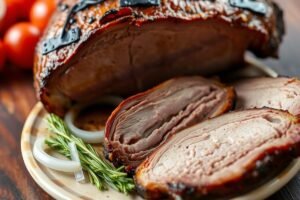
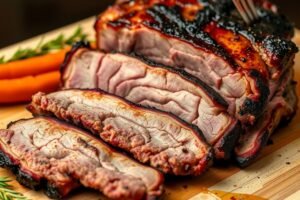
Texas Brisket is a smoked beef brisket prepared with a simple, coarse rub of salt and black pepper, cooked low and slow over hardwood until the fat renders completely. This dish is characterized by a dark, crispy “bark” on the exterior, a distinct pink smoke ring, and an interior that is succulent, smoky, and tender enough to slice without falling apart.
Making a brisket is an exercise in heat management and meat science. Unlike other barbecue styles that rely heavily on sugary glazes or complex sauces, the Texas approach highlights the quality of the beef and the purity of the wood smoke. According to culinary standards in 2026, the key is consistency; keeping your smoker steady between 225°F and 250°F is the difference between a mediocre meal and a masterpiece. It is worth noting here at Savor and Skillet that while I have read many accounts of “shortcuts,” true Texas-style beef demands the time required to break down tough collagen fibers properly.
Ingredients and Equipment
Recipe Overview
- Servings: 10–12 people
- Prep Time: 30 minutes
- Cook Time: 12–16 hours (depending on weight)
- Total Time: 14–18 hours
- Difficulty: Advanced
Necessary Ingredients
- 1 Full Packer Beef Brisket (12–14 lbs)
- 1/2 cup Coarse Kosher Salt
- 1/2 cup Coarse Cracked Black Pepper (16-mesh grind is preferred)
- Optional: 1/4 cup Garlic Powder (some purists omit this, but it adds depth)
- Hardwood for fuel (Post Oak is the gold standard for authentic Texas flavor)
Equipment
- Offset smoker or high-quality pellet grill
- Instant-read thermometer (e.g., Thermapen)
- Pink butcher paper (for the wrap)
- Heavy-duty cutting board
- Sharp slicing knife (long, flexible blade)
To ensure success, look for a USDA Prime or high-choice grade brisket with a healthy fat cap—roughly 1/4 inch thick is ideal. If you are shopping at your local butcher, don’t hesitate to ask them to keep the “packer” cut intact, which includes both the flat and the point.
How to Make Texas Brisket
Since you have your ingredients gathered and your equipment ready, let’s move into the technical phase of cooking. Because we have established the importance of high-quality beef and wood selection, the actual cooking process now takes center stage. Follow these steps carefully to ensure a balanced, smoky result.
- Trimming: Place the brisket on a cutting board. Trim the fat cap to an even 1/4 inch thickness across the entire surface. Remove any large chunks of hard, “waxy” fat that will not render during the long cook.
- Seasoning: Mix your salt, pepper, and optional garlic powder in a small bowl. Apply the rub liberally across all sides of the meat. Pat it down gently so the spices adhere to the surface. Let the brisket sit at room temperature for about 30 minutes while you fire up your smoker.
- The Smoke: Preheat your smoker to 225°F. Place the brisket on the rack, fat side up (or down, depending on your heat source—if your heat comes from below, face the fat toward the heat). Maintain a steady thin blue smoke.
- The Stall: Around the 6 to 8-hour mark, the internal temperature will likely plateau between 160°F and 170°F—this is the dreaded “stall.” Once the bark has set and the meat reaches this temperature, wrap the brisket tightly in pink butcher paper. This helps push through the stall while preserving the bark texture.
- Finishing: Continue cooking until the internal temperature reaches 200°F to 205°F. You aren’t just looking for a number, though; use the “probe feel” test. The thermometer should slide into the thickest part of the meat with the resistance of a warm stick of butter.
- The Rest: This is the most crucial step. Remove the brisket from the smoker, keep it wrapped in the paper, and place it in an empty cooler (an insulated “faux cambro”) for at least 2 hours. This allows the juices to redistribute through the muscle fibers.
Brisket slow-smoked for hours until tender, coated in a savory, spice-laden “bark,” and ready to melt in your mouth with every bite—Texas Brisket is a heavyweight BBQ dish guaranteed to delight your taste buds while fueling you up for the day. I’m sharing this authentic Texas-style recipe here at Savor and Skillet so you can recreate that juicy, flavor-packed, and spectacular smoked meat experience right in your own kitchen.
To ensure the meat stays tender and juicy while the seasoning penetrates deep into the fibers, check out the preparation secrets in the video tutorial I’ve embedded below:
Refining Your Technique: Common Pitfalls
After covering the step-by-step cooking process, the obvious next question is: what about the challenges that often trip up home cooks? Here is everything you need to know about avoiding common mistakes. Many beginners struggle with “soggy bark,” which usually happens because the brisket was wrapped too early in foil rather than breathable butcher paper. Foil traps steam, which can ruin the texture of the bark you worked so hard to build.
Another frequent issue is slicing against the grain. If you look closely at the brisket, you will see the muscle fibers running in a specific direction. You must slice perpendicular to these fibers to ensure every bite is tender rather than chewy. If you are unsure, refer to this guide on grain orientation to visualize the muscle structure before you put the knife to work.
Pairing and Serving Suggestions
With your technique refined, you might be wondering how to serve this Texas Brisket to make it a full meal. Since we have focused heavily on the meat, let’s talk about the essential sides that balance the richness of the beef. In my experience, a light, acidic side is the perfect counterpoint to the deep, savory flavors of the smoked brisket.
I recommend pairing your main course with classic vinegar-based coleslaw, quick-pickled red onions, or even some simple, charred jalapeños. These acidic elements cut through the rendered fat of the beef, cleaning your palate between bites. If you want a more substantial side, potato salad made with a mustard base—not mayonnaise—is a traditional choice that keeps the focus on the main dish. Serving the brisket with a few slices of white bread is also a quintessential move for anyone trying to capture the authentic vibe of a central Texas smokehouse.
Frequently Asked Questions About Texas Brisket
How long does it take to smoke a 12-pound brisket?
You should plan for a total cook time of approximately 12 to 16 hours. A general rule of thumb is to allow 1 to 1.5 hours per pound at 225°F, though the meat’s specific structure and the environmental conditions of your smoker will ultimately dictate the finish time.
Do I really need to use a thermometer?
Yes, a high-quality, calibrated digital thermometer is non-negotiable for success. While seasoned pitmasters rely on “touch” and “feel,” they have developed that skill through years of practice; for the rest of us, hitting that 200°F–205°F internal temperature is the best way to guarantee consistency.
What is the difference between the point and the flat?
The brisket is composed of two muscles: the flat, which is leaner and rectangular, and the point, which is thicker and contains much more intramuscular fat. The point is generally more forgiving and flavorful, while the flat is ideal for those who prefer thinner, consistent slices.
Why is my brisket tough even after cooking to 200°F?
If your brisket feels tough, it was likely either undercooked or sliced incorrectly. Ensure you are cooking until the “probe-tender” stage and always, always slice against the grain to shorten the muscle fibers, which makes the meat feel much more tender in the mouth.
How can I keep my brisket warm for a long period?
An insulated cooler, often called a “faux cambro,” is the best tool for the job. After pulling the meat from the smoker, wrap it in additional towels inside an empty, clean cooler; a well-insulated cooler can keep a large piece of meat at safe, serving temperatures for 3 to 4 hours, which significantly improves the final texture.
Conclusion
We just unpacked the entire process of preparing a Texas Brisket, from the initial trimming to the final, essential rest period. The journey of transforming a tough cut of beef into a tender, smoke-kissed delicacy is one of the most rewarding experiences in the kitchen. By focusing on temperature control, using high-quality hardwood, and respecting the resting time, you are well on your way to mastering this art form.
For more deep dives into smokehouse techniques and expert kitchen tips, continue exploring Savor and Skillet. Remember, as you head into your 2026 barbecue season, that practice makes perfect—so don’t be discouraged if your first attempt requires a few tweaks. Fire up that smoker, invite some friends over, and enjoy the process. Happy cooking!

Other Articles

How to Make Sloppy Joes: Recipe and Instructions
Carolina Pulled Pork Recipe: How to Make It Step by Step

No Comment! Be the first one.